Explore by topic, question, or idea. Find articles, reflections, videos, puzzles, and curiosity pathways gathered across the site.
Press Enter or select Search. A newly typed query starts globally; filters are applied only through the visible rail.
11 results for “from garden to glass the diversity transformations of tea”
- The Perpetually Curious! › Canonical › Planet EarthArticle
🌇 When the Sky Becomes a Painting: Why Clouds Glow Red and Orange at Sunset on Earth
From section: 🪐 Cloud colors on other worldsEach world offers its own version of the evening sky, shaped by the physics of its atmosphere and the light of its Sun, revealing how the same star can paint entirely different colors across the Solar System, a diversity that echoes the shifting geometry of planetary shadows.
- The Perpetually Curious! › Canonical › Planet EarthArticle
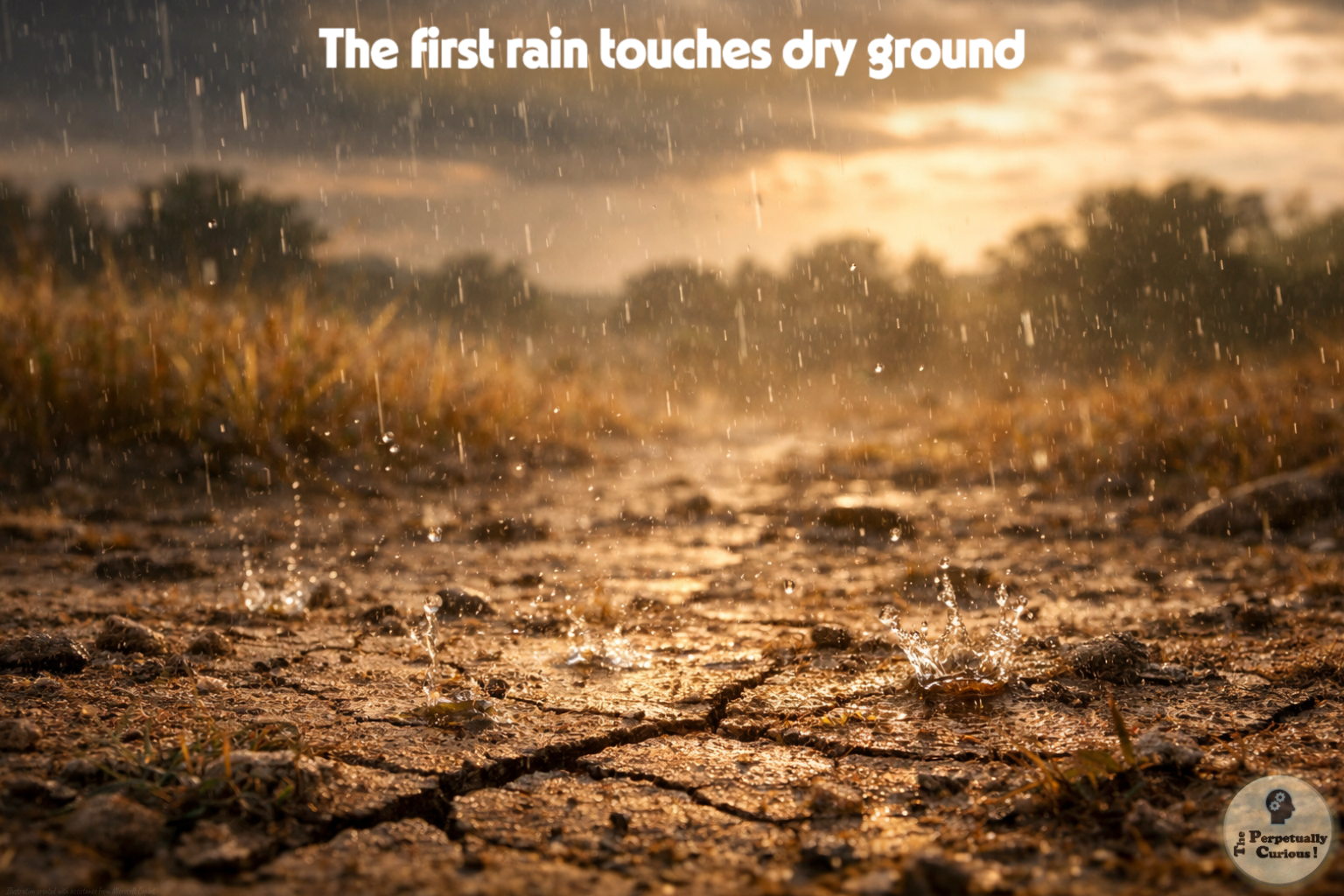
🌧️ When Earth Begins to Breathe: Why Rain Smells the Way It Does
From section: 🧫 Geosmin and the work of soil microbesA deeper look at the quiet transformations within soil reveals how its shifting chemistry shapes the compounds that rise into the air when rain arrives.
- The Perpetually Curious! › Archives › Planet EarthArticle
🌊 The Great Lakes: North America's Temporary Inland Seas
Picture yourself holding a glass of water in Chicago. That water contains a mixture of ages, with some molecules that fell as rain just years ago and others that have circulated through Lake Superior for nearly two centuries.
- The Perpetually Curious! › Canonical › Planet EarthArticle
🌊 Niagara Falls, Where Thundering Waters Shape Time
From section: 🌿 Life around the mist: Ecosystems and habitatsThe region lies near the northern edge of the Carolinian Life Zone, a biogeographic region known for relatively mild conditions and a diversity of plant and animal species more commonly found further south.
- The Perpetually Curious! › Canonical › Planet EarthArticle
🌍🌑 Where Two Soils Part Ways: Earth, Moon, and the Stories Written in Dust
From section: 🌙 How the Moon Builds Regolith Through Impacts and Vacuum… Over millions of years, this churning mixes older and younger materials, creating a complex and layered regolith. Some regions also contain tiny volcanic glass beads formed by ancient fire fountains, which add further variety to the surface.
- The Perpetually Curious! › Canonical › Planet EarthArticle
🌫️ Mist Over Ancient Ridges: The Great Smoky Mountains as a Living, Breathing World
From section: 🐾 A refuge of life: biodiversity and living communitiesFungal diversity is also significant. Fungi form essential partnerships with trees, help decompose organic matter, and contribute to soil formation. …
- The Perpetually Curious! › Canonical › Planet EarthArticle
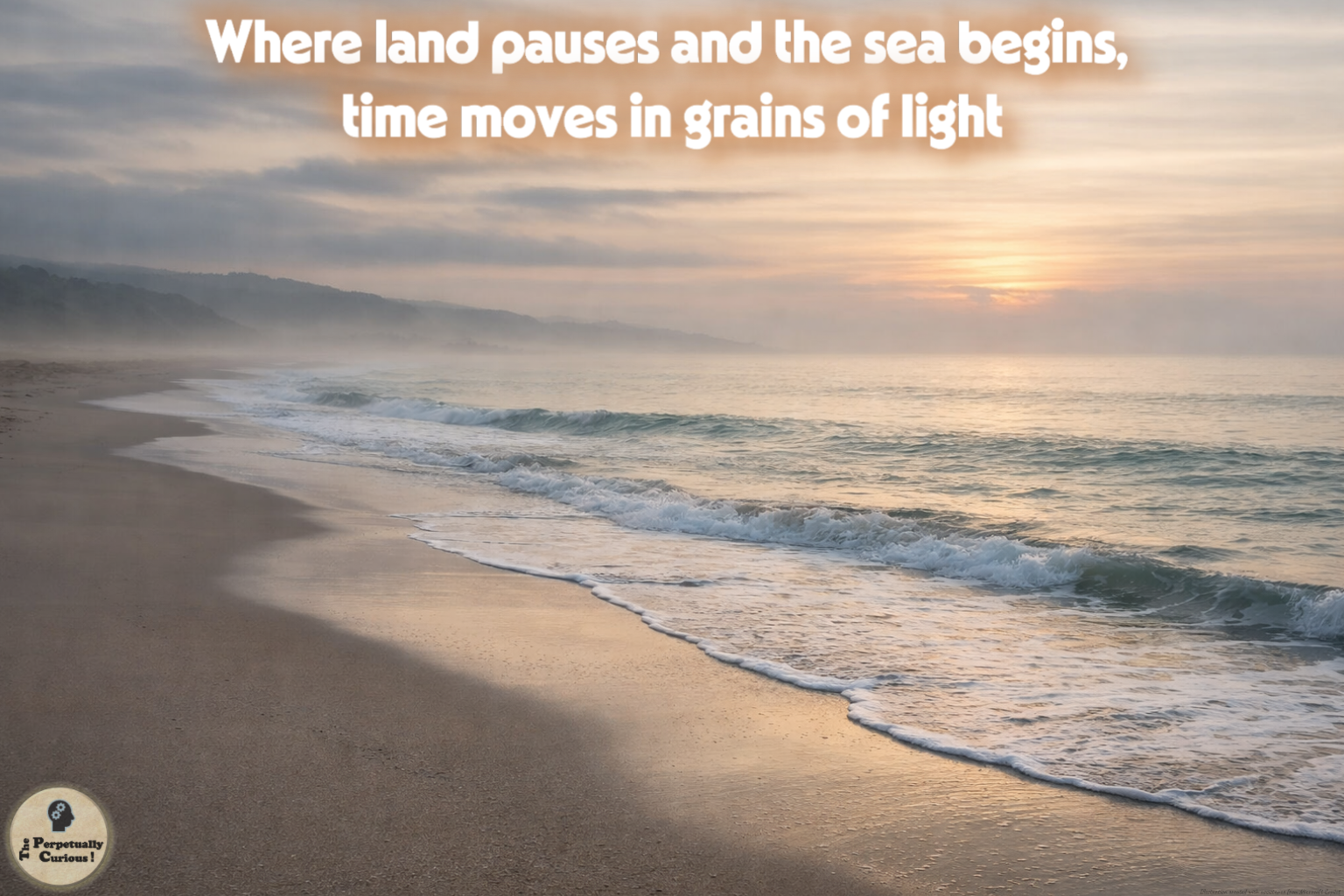
🌊 Where the Waves Leave Their Footprints: Why Beaches Carry Sand
From section: 💧 Sand, Mud, and the Energy of Place… Beaches are shaped by more active movement, while mudflats and marshes often form where water is calmer. Each type of sediment tells a story about the forces that shaped it, and together they reveal the diversity of Earth’s landscapes.
- The Perpetually Curious! › Canonical › Planet EarthArticle
🌐 How SONAR Uses Sound to Map the Hidden Ocean Depths
From section: 🕰️ A brief history of SONAR… Early SONAR receivers relied on glass‑based vacuum tubes to amplify faint signals, and the reliability of these tubes benefited from steady improvements in glass manufacturing, a craft whose precision shaped many branches of early twentieth‑century scientific instrumentation.
- The Perpetually Curious! › Archives › Planet EarthArticle
🌧️ Petrichor: How First Rain Lifts Earth’s Hidden Scent
The smell of rain often arrives before we think about its science. A dry path darkens, a garden bed drinks in the first drops, and a scent rises that seems older than the moment itself. It can feel as if rain has a fragrance of its own, but the water is only part of the story.
- The Perpetually Curious! › Archives › Planet EarthArticle
🌊 Why Beaches Have Sand
Beaches often appear simple at first glance. They seem like a narrow place where land and water meet. Yet the presence of sand along so many coastlines is the result of long journeys, slow transformations, and the combined work of rivers, weather, and waves.