Explore by topic, question, or idea. Find articles, reflections, videos, puzzles, and curiosity pathways gathered across the site.
Press Enter or select Search. A newly typed query starts globally; filters are applied only through the visible rail.
29 results for “how brain form”
- The Perpetually Curious! › Canonical › Biology & HealthArticle
🌾 Scrub Typhus: When a Tiny Bite Becomes a Fever
From section: 🌡️ When the body answers with fever… Illness can range from mild to serious. Without appropriate treatment, complications can affect the lungs, kidneys, brain, or other organs.
- The Perpetually Curious! › Canonical › Biology & HealthArticle
☀️ Sunlight, Skin, and the Quiet Alchemy of Vitamin D
From section: 🌡️ From previtamin D3 to vitamin D3Previtamin D3 is a transient intermediate rather than the form carried through the bloodstream. After forming in the epidermis, it undergoes thermal isomerization, a temperature-dependent rearrangement of its molecular structure. …
- The Perpetually Curious! › Canonical › Biology & HealthArticle
🌫️ When the World Blurs for a Moment: Why We Sneeze
From section: 🧠 The brainstem’s hidden sneeze circuit… When this pathway is disrupted in experimental models, sneezing becomes significantly reduced, which supports the idea that the reflex depends on a specific nose-to-brain circuit.
- The Perpetually Curious! › Canonical › Biology & HealthArticle
🌙 Night Voices: The Quiet Science of Snoring and the Hidden Life of Sleep
From section: 🌙 Snoring as a window into sleep: The quiet complexity beneath a familiar soundThis nightly choreography also relates to the movement of cerebrospinal fluid, which flows through the brain in patterns shaped by slow waves in neural activity, blood oxygenation, and sleep depth.
- The Perpetually Curious! › Canonical › Biology & HealthArticle
🌡️ When the Skin Remembers the Cold: Why We Get Goosebumps
From section: 🎶 Music, Stories, and the Chills of AweThe brain appears to link abstract experiences, such as art and meaning, to bodily states. Emotional chills also share features with the production of tears, which arise from similarly layered interactions between emotion and physiology. …
- The Perpetually Curious! › Canonical › Biology & HealthArticle
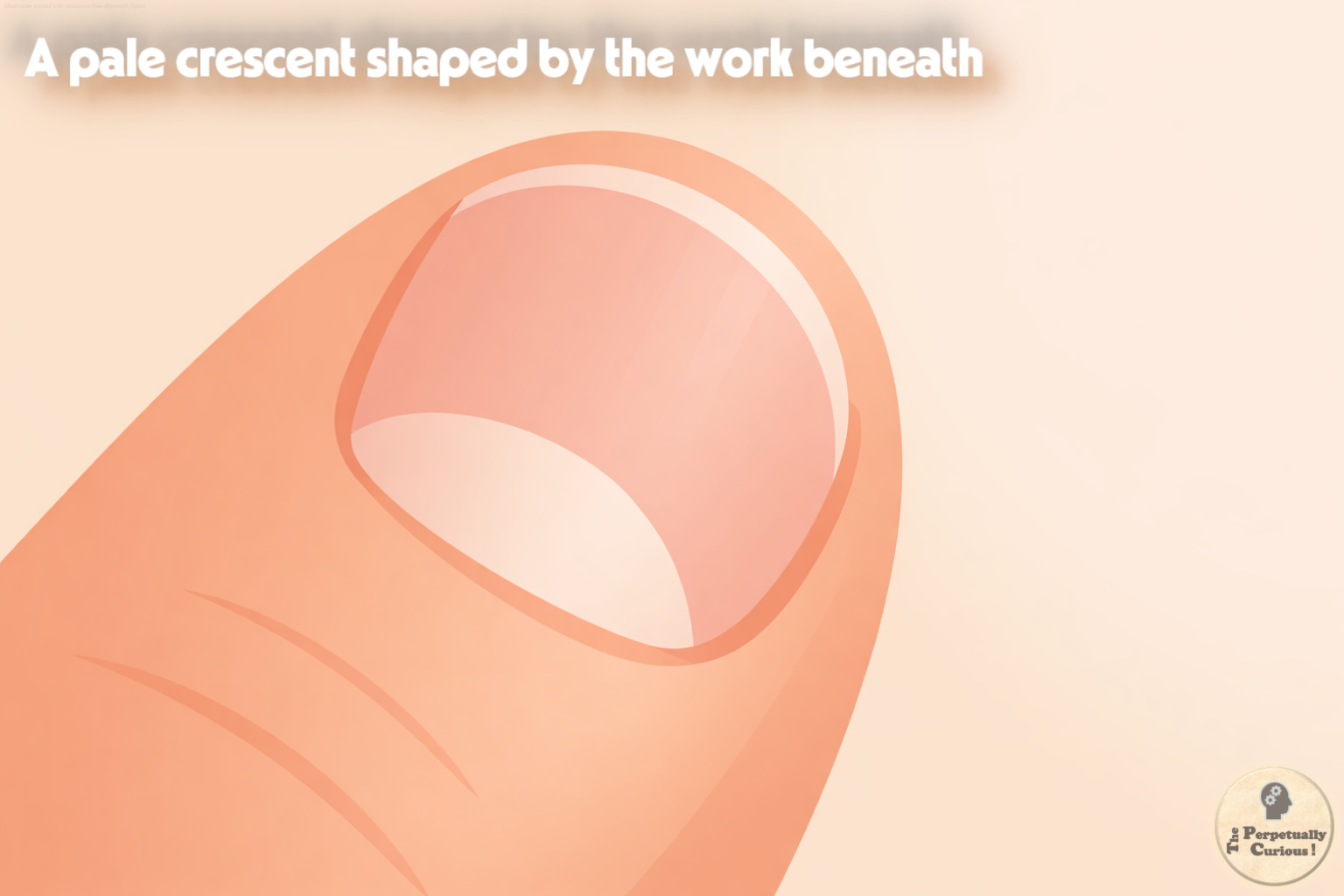
🌙 Little Moons at the Base of Our Nails: The Quiet Science of the Lunula
At the base of many fingernails lies a pale crescent, a small moon resting just beneath the cuticle. It is most visible on the thumbs, faint on the smaller fingers, and often hidden entirely on the toes. This quiet shape has invited curiosity for centuries.
- The Perpetually Curious! › Archives › Biology & HealthArticle
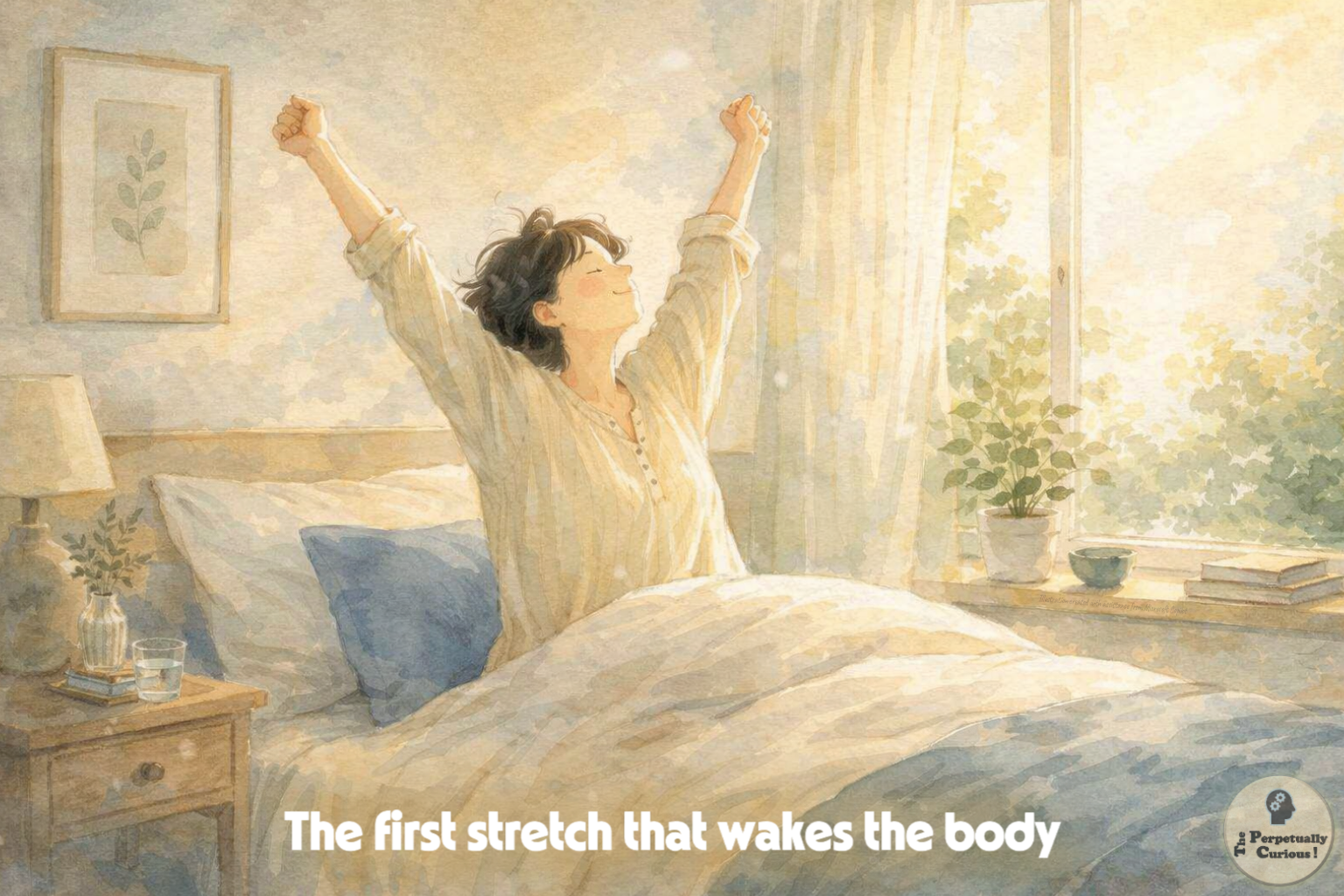
🌅 Pandiculation: How the Waking Stretch Restores Body Awareness
From section: When stillness quiets the body’s mapTheir signals travel toward the spinal cord and brain, contributing to an internal map that guides balance, posture, and voluntary motion.
- The Perpetually Curious! › Archives › Biology & HealthArticle
🌙 White Half Moon on Nails: The Quiet Growth Zone Beneath
From section: Why the thumb often shows it bestThat is why it fits naturally within the Biology & Health collection, alongside other quiet features of human form and physiology.
- The Perpetually Curious! › Archives › Biology & HealthArticle
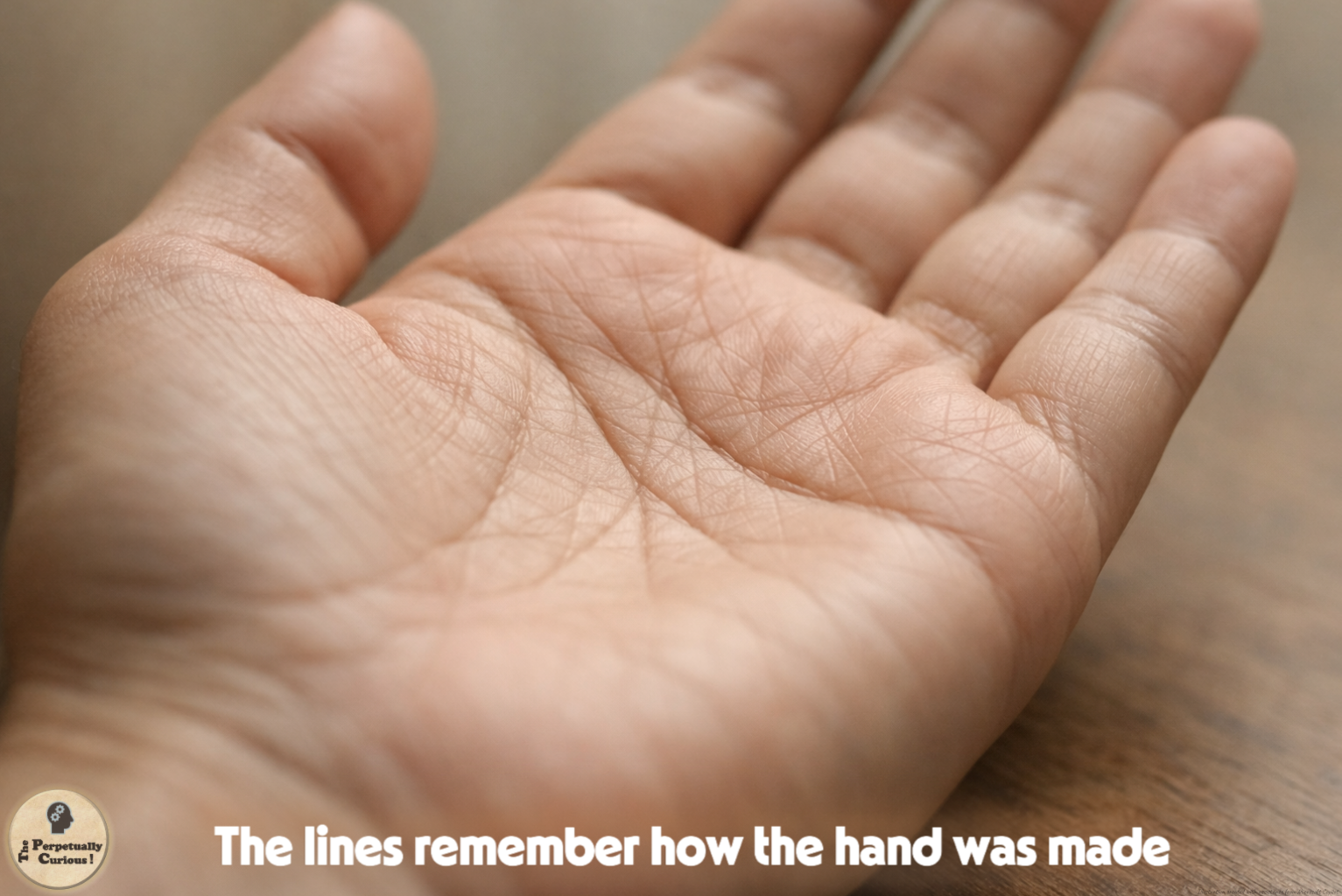
✋ Palm Lines Explained: The Quiet Folds That Help the Hand Move
The lines in the palm are easy to overlook because they feel so ordinary. They cross the hand quietly, deepening when the fingers curl and softening when the palm opens. Yet those familiar folds are not random marks added by years of use. They begin much earlier, when the hand…