Explore by topic, question, or idea. Find articles, reflections, videos, puzzles, and curiosity pathways gathered across the site.
Press Enter or select Search. A newly typed query starts globally; filters are applied only through the visible rail.
135 results for “where the wild paths divide wolves foxes and jackals in the dog family”
- The Perpetually Curious! › Canonical › Wilderness & Homestead CreaturesArticle
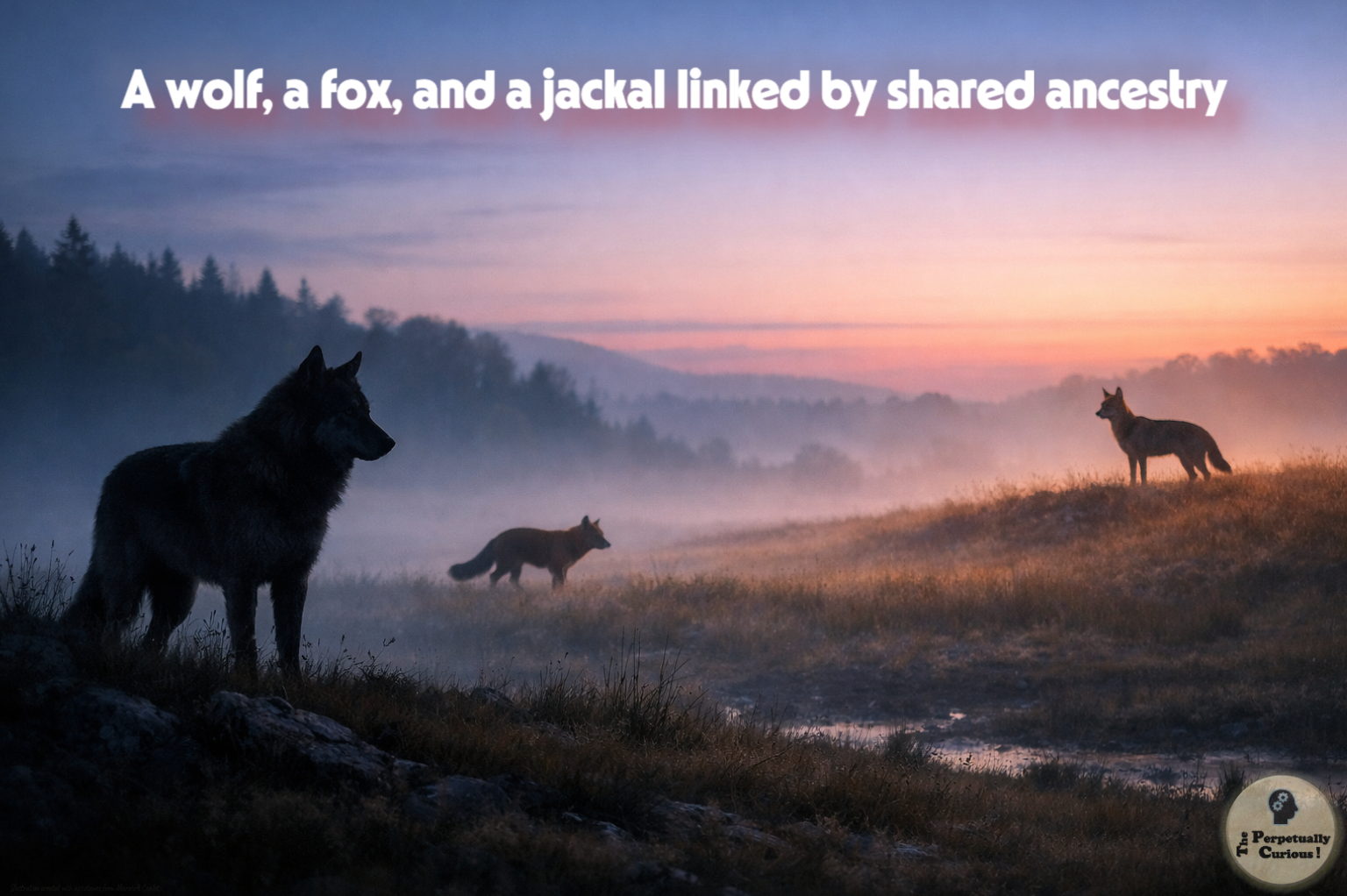
🐾 Where the Wild Paths Divide: Wolves, Foxes, and Jackals in the Dog Family
From section: Frequently Asked Questions+How many species are in the dog family? The dog family, Canidae, includes about 35 living species. These range from wolves, coyotes, and jackals to foxes, African wild dogs, and the diverse canids of South America. They share a common ancestry but have adapted to very different landscapes and diets.
- The Perpetually Curious! › Archives › Wilderness & Homestead CreaturesArticle
🐾 Wolves, Foxes, and Jackals: One Family, Many Survival Paths
From section: Scent, motion, and the logic of placeThe larger version on our main site keeps the wider landscape intact, following wolves, foxes, and jackals through their separate ecological paths without reducing them to one simple comparison.
- The Perpetually Curious! › Canonical › Wilderness & Homestead CreaturesArticle
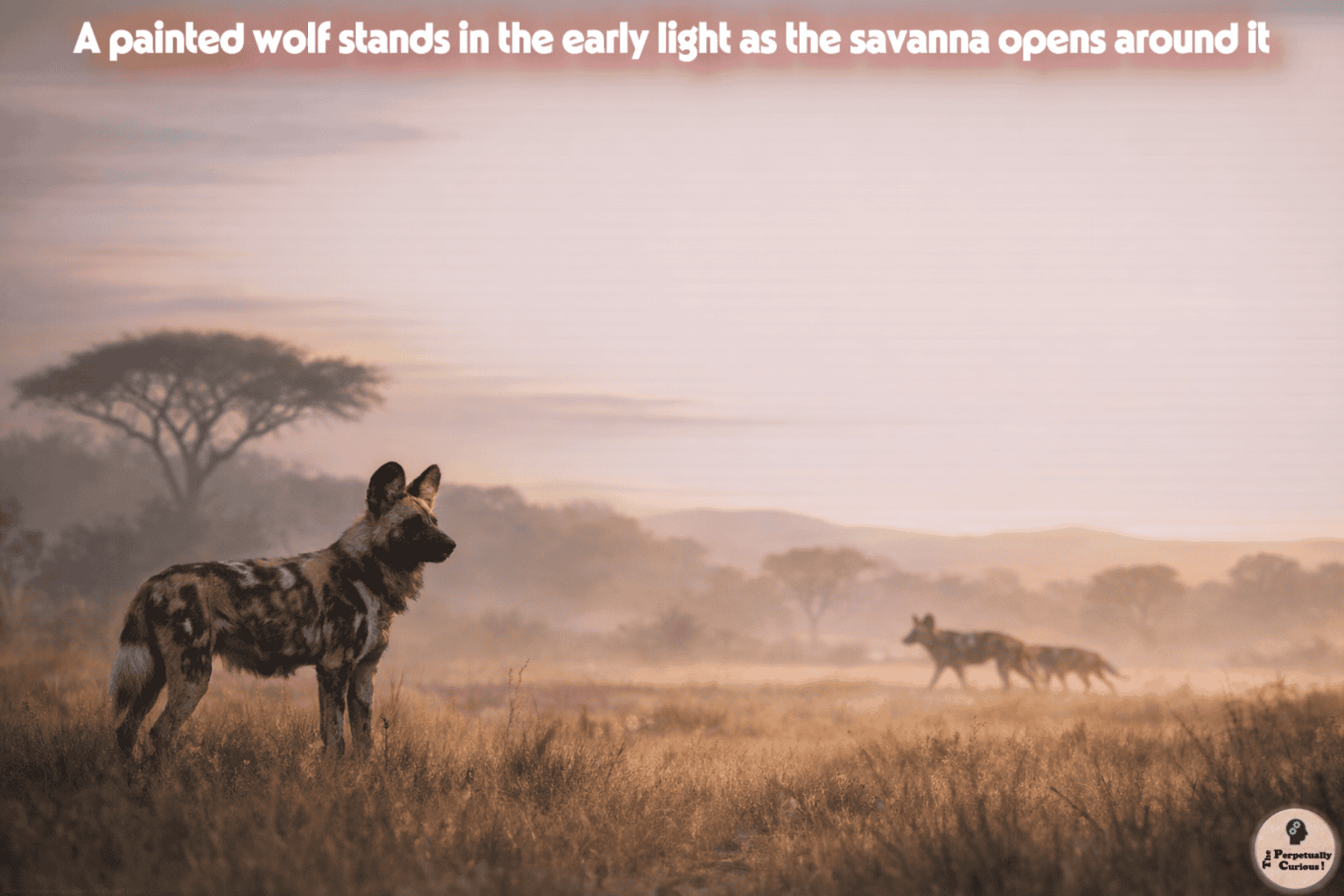
🌍 African Wild Dogs: Painted Wolves of the Savanna
From section: 🐾 African wild dog appearance and adaptationsPlaced alongside wolves, foxes, and jackals, African wild dogs also show how related canid lineages can follow different ecological and behavioral paths.
- The Perpetually Curious! › Canonical › Botanical WondersArticle
🍊 The Citrus Family Tree: Tracing the Roots of Oranges, Lemons, Limes, and Grapefruit
From section: 🌳 The ancestral roots of the citrus familyMandarin, Citrus reticulata, is the source of many easy to peel fruits. Wild mandarins were probably smaller and more acidic than many modern varieties, but they contributed sweetness, aroma, and loose skin to a wide range of descendants.
- The Perpetually Curious! › CanonicalGateway
🐾 Wilderness & Homestead Creatures | ✍️ Articles
From section: 🐺 Wild Canids and the Dog FamilyWhere the Wild Paths Divide: Wolves, Foxes, and Jackals in the Dog Family
- The Perpetually Curious! › Archives › Wilderness & Homestead CreaturesArticle
🐻 Eight faces of the bear: A journey through the Ursidae family
Eight species, one family, countless stories of survival and symbolism 🌍 Introduction Bears have always loomed large in our imagination. They are the shaggy giants of fairy tales, the fierce guardians of wilderness, and the quiet foragers who slip through forests when no one is watching.
- The Perpetually Curious! › Archives › Botanical WondersArticle
🍊 Citrus Family Tree: How Ancient Lineages Became Familiar Fruits
A fruit bowl can make oranges, lemons, limes, mandarins, and grapefruit look like separate botanical inventions. Their colors, flavors, and shapes seem distinct enough to suggest separate origins. The citrus family is more intertwined than that.
- The Perpetually Curious! › Archives › Wilderness & Homestead CreaturesArticle
🐾 African Wild Dogs: How Their Pack Life Carries the Hunt
In open savanna, African wild dogs rarely make sense as isolated animals. A single painted wolf is striking, but the deeper pattern appears when several bodies move with the same direction, spacing, and alertness. Pack life is not a decorative detail in their story.
- The Perpetually Curious! › Canonical › Wilderness & Homestead CreaturesArticle
🐆 Baby Cheetahs: Early Life, Survival, and the Slow Road to Speed
From section: 🎯 Practice, play, and the making of a hunter… Their ability to hunt independently develops gradually as they approach separation from her, commonly at around 18 months. By then, play has become practical experience, and the sibling bonds formed during development begin to influence the paths they follow after the family group separates.
- The Perpetually Curious! › Canonical › Planet EarthArticle
🏔️ Mount Kailash: A Summit Where Water, Story, and Sky Converge
From section: 🌱 A fragile high altitude environment… Plant recovery from disturbance may take many years. Wildlife is adapted to extreme conditions, with species such as the Tibetan wild ass, foxes, and several birds inhabiting the plateau.