Explore by topic, question, or idea. Find articles, reflections, videos, puzzles, and curiosity pathways gathered across the site.
Press Enter or select Search. A newly typed query starts globally; filters are applied only through the visible rail.
20 results for “where the wild paths divide wolves foxes and jackals in the dog family”
- The Perpetually Curious! › Archives › Planet EarthArticle
❄️ Antarctica: Southernmost Continent’s Frozen Symphony of Silence and Light
From section: ❓ FAQ… Arctic sea ice averages 6-10 feet (2-3 meters) thick versus Antarctica's miles-thick ice sheet. The Arctic supports four million people including indigenous populations, polar bears, and arctic foxes, while Antarctica has no native land mammals. …
- The Perpetually Curious! › Canonical › Planet EarthArticle
🌊 How Nor’easters Form: When the Coast Becomes a Storm Engine
On a gray Atlantic morning, rain may tap against a window by the shore while snow gathers farther inland. One storm can make both scenes. Its center may travel toward the northeast even as wind reaches the coast from the northeast, the seeming contradiction written into the name nor’easter.
- The Perpetually Curious! › Canonical › Planet EarthArticle
🌏 When the Pacific Breathes Warm: El Niño and the Changing Rhythms of Rain
How can a change in the tropical Pacific alter the prospects of rain thousands of miles away? El Niño begins when unusually warm surface waters spread across the central and eastern equatorial Pacific and the ocean and atmosphere reorganize together.
- The Perpetually Curious! › Canonical › Planet EarthArticle
🌐 How SONAR Uses Sound to Map the Hidden Ocean Depths
The ocean often appears silent from the surface, yet beneath the waves it is filled with sound. Currents, storms, distant ice, and the calls of marine animals create a shifting acoustic world that is rarely heard by human ears.
- The Perpetually Curious! › Archives › Planet EarthArticle
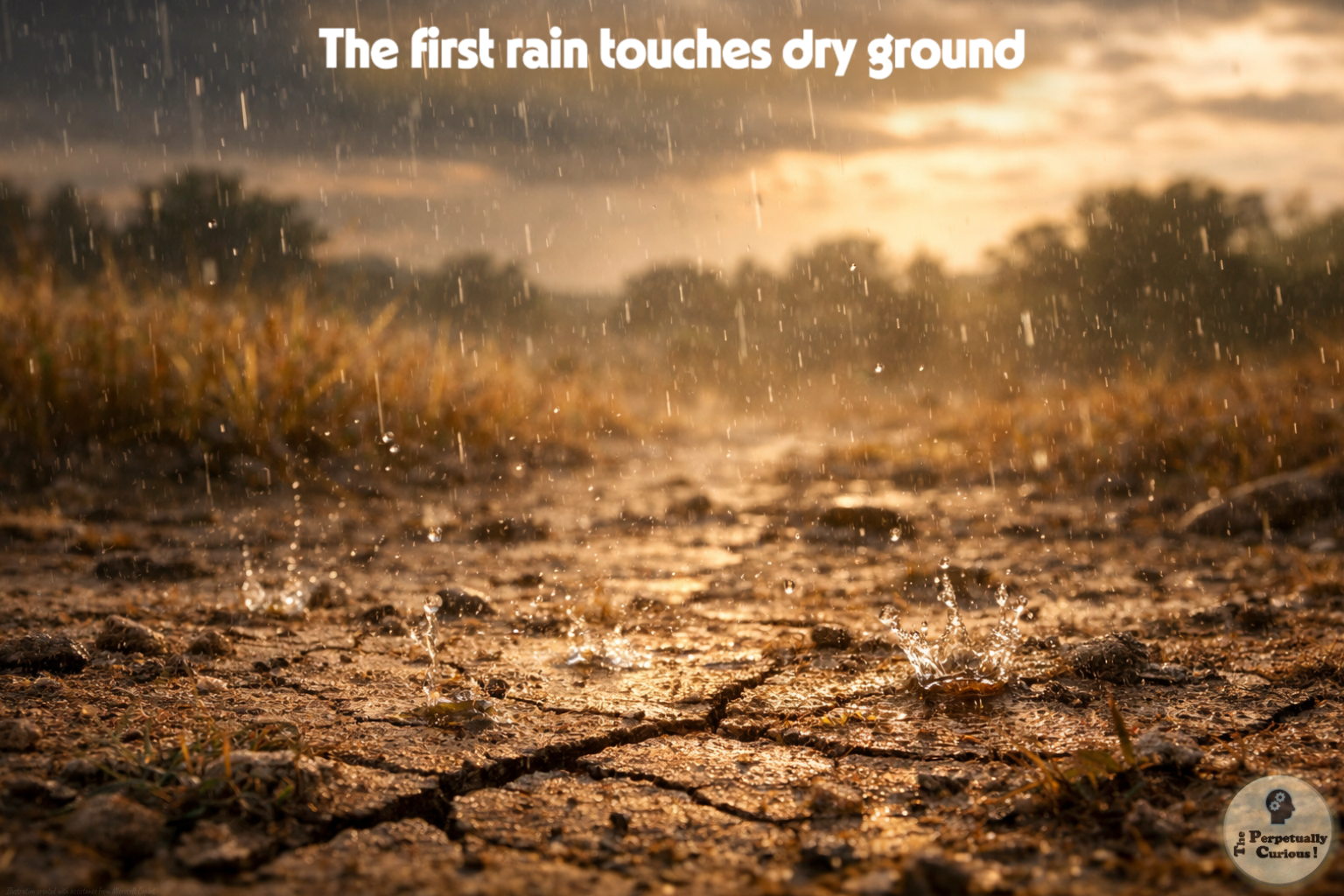
🌧️ Petrichor: How First Rain Lifts Earth’s Hidden Scent
From section: A meeting of water, ground, and memorySmell is closely tied to memory and emotion, so a brief rise of earthy air can recall childhood monsoons, garden paths, summer storms, or the relief of dry land receiving water again.
- The Perpetually Curious! › Archives › Planet EarthArticle
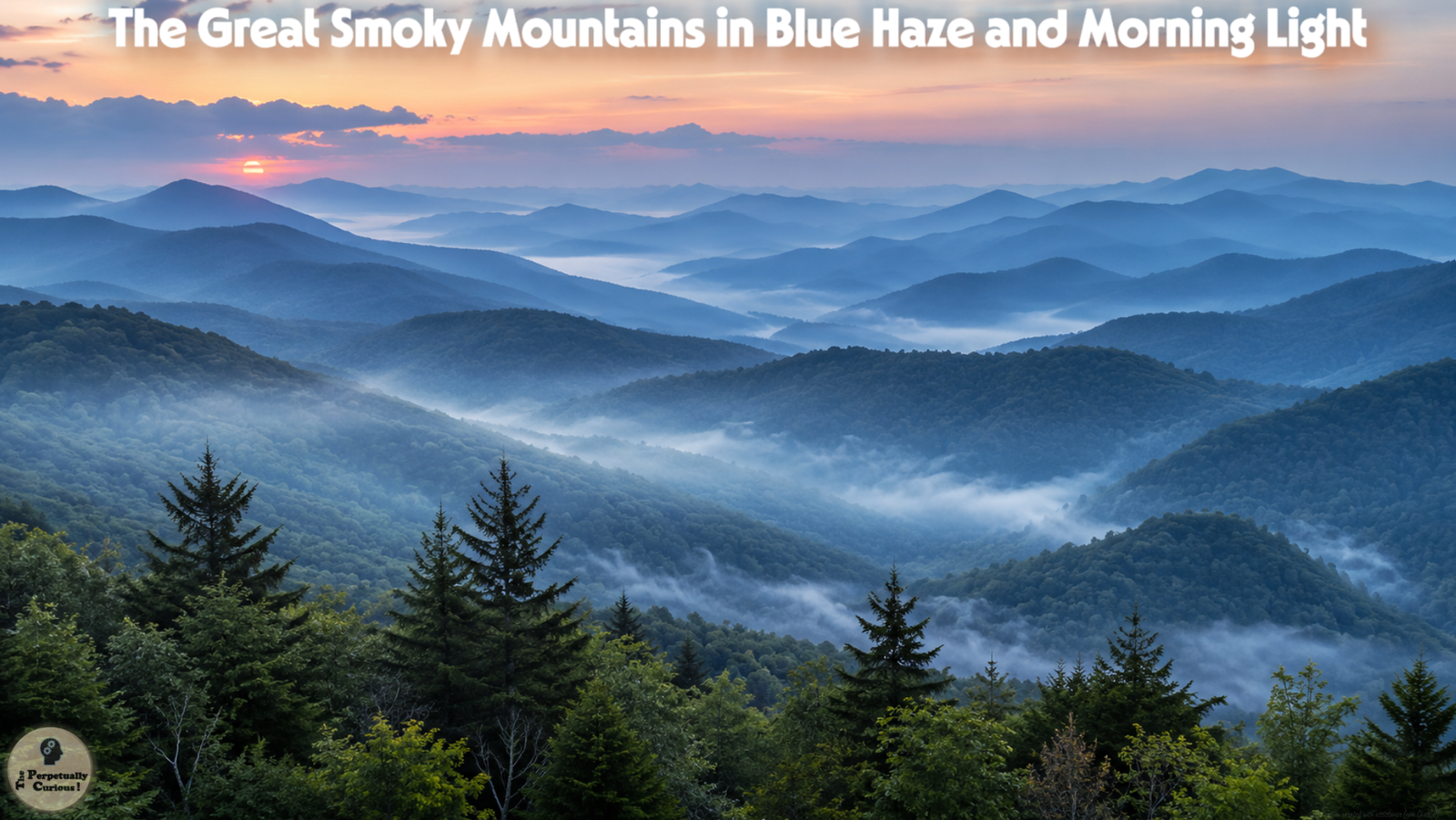
🌫️ Why the Great Smoky Mountains Fade into Blue Haze
From section: Why the ridges look blueThe same family of physics appears in the way air scatters sunlight, although the viewing geometry here produces a cool veil across distant land rather than the warm filtering of a sunset.
- The Perpetually Curious! › Archives › Planet EarthArticle
🌊 Underwater Sound: How Echoes Measure Distance
From section: How echo timing becomes distanceBecause the recorded time includes both the outward and return paths, the system divides the total travel path by two to estimate range.
- The Perpetually Curious! › Archives › Planet EarthArticle
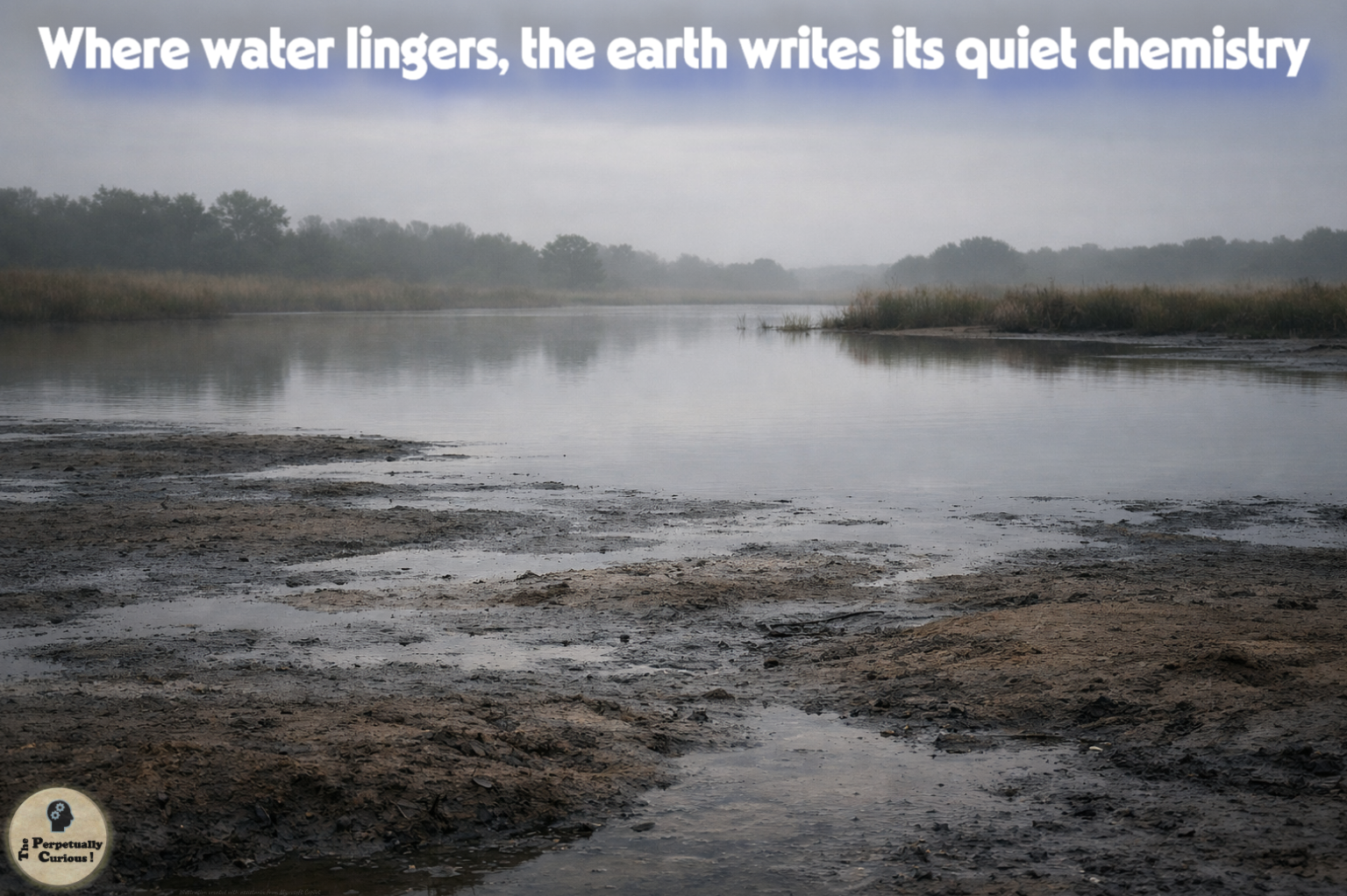
🌍 Why Mud Is Brown or Black: What Wet Soil Reveals
A wet patch of ground can look ordinary until its color begins to speak. Brown mud on a path, gray mud beside a pond, and black mud in a marsh are not simply different degrees of dirtiness.
- The Perpetually Curious! › Archives › Planet EarthArticle
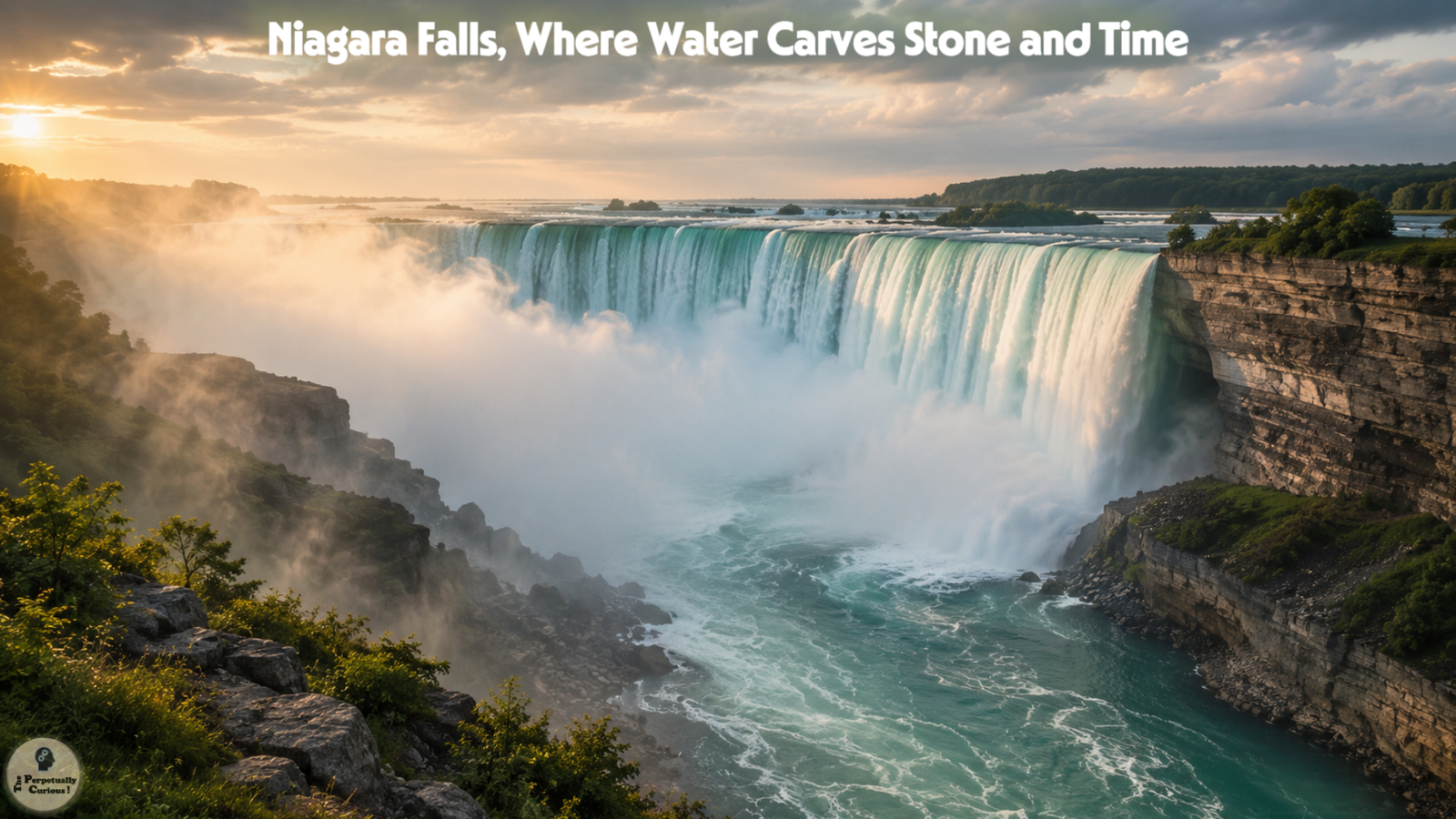
🌊 Niagara Falls Facts: How Water Turns Stone Into Time
When Niagara Falls first appears through its mist, it can feel like a single spectacular drop. But the falls are better understood as a place where a much larger water system briefly becomes visible. The water is not arriving from nowhere.
- The Perpetually Curious! › Archives › Planet EarthArticle
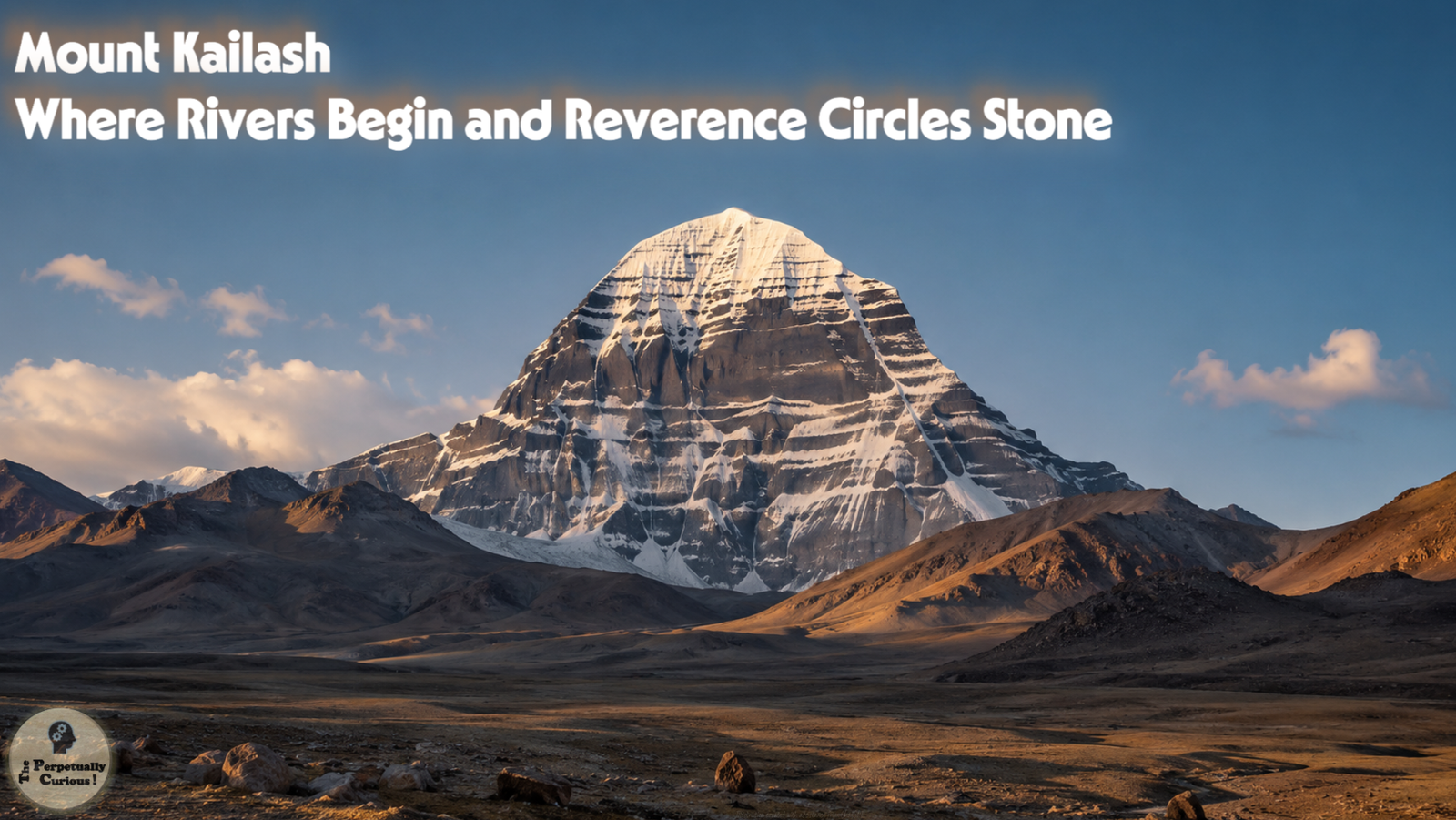
🏔️ Mount Kailash: Why a Sacred Summit Is Circled, Not Climbed
Mount Kailash is often described through reverence, but its power begins with geography. On the western Tibetan Plateau, the mountain rises as a sharply recognizable summit of snow, dark rock, and open sky. It is high, about 21,778 feet (6,638 meters), yet its significance does…