
Questions, observations, and insights from across The Perpetually Curious!, unfolding into wider patterns of understanding.
Curiosity moves by connection.
The Curiosity Stream brings together source-grounded ideas drawn from fuller explorations across science, nature, history, culture, technology, and everyday life. Each can be encountered on its own while pointing toward the article, reflection, video, or broader exploration from which it emerged.

🌾 A bottle of cooking oil often appears simple and familiar, yet its journey from seed to liquid light is far more intricate than its calm surface suggests.

Continue with the full article🌾 From Seed to Shimmering Skillet: The Quiet Science of Cooking Oils
September still carries the number seven in its name. The Latin septem reflects an early Roman calendar in which the year began in March, making September the seventh month. The calendar changed, but the older name remained.

Continue with the full article⏳ Through the Ages: The Naming of the Months in Our Calendar 📅
💧 Water can carry a trace of stone without looking different. Calcium and magnesium may dissolve into groundwater, then help form scale as heating or evaporation shifts water chemistry. The first post carries the wider journey.
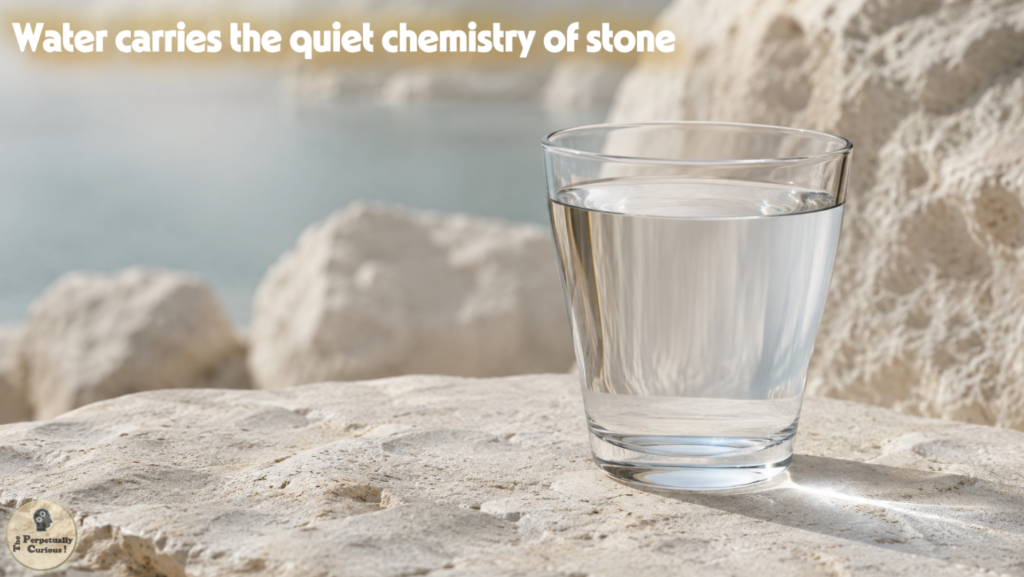
From an earlier Stream note💧 Water softening changes what happens to the calcium and magnesium that make water hard, connecting geology, mineral chemistry, treatment technology, and everyday infrastructure.
Continue with the full article💧 When Water Turns Gentle: The Science and Story of Water Softening
💧 Water softening changes what happens to the calcium and magnesium that make water hard, connecting geology, mineral chemistry, treatment technology, and everyday infrastructure.
Continue with the full article💧 When Water Turns Gentle: The Science and Story of Water Softening
The Tree of Ténéré did not endure because the desert stood still. Its survival depended on deep roots reaching hidden groundwater while the landscape around it changed, leaving one acacia as both a living remnant and a remembered landmark.
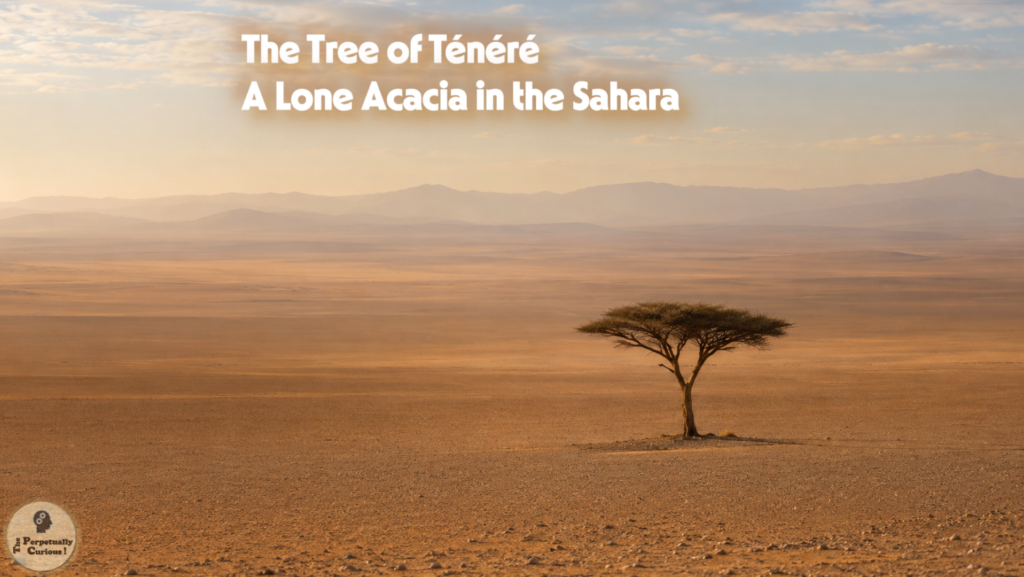
Continue with the full article🌿 When One Tree Remembered a Greener Sahara: The Quiet Story of the Tree of Ténéré
A liquid tree is a public photobioreactor, not a standardized machine: a transparent vessel where microalgae live in a managed water-filled habitat. Its green culture is both a living population and an engineered system whose performance depends on how that habitat is maintained.
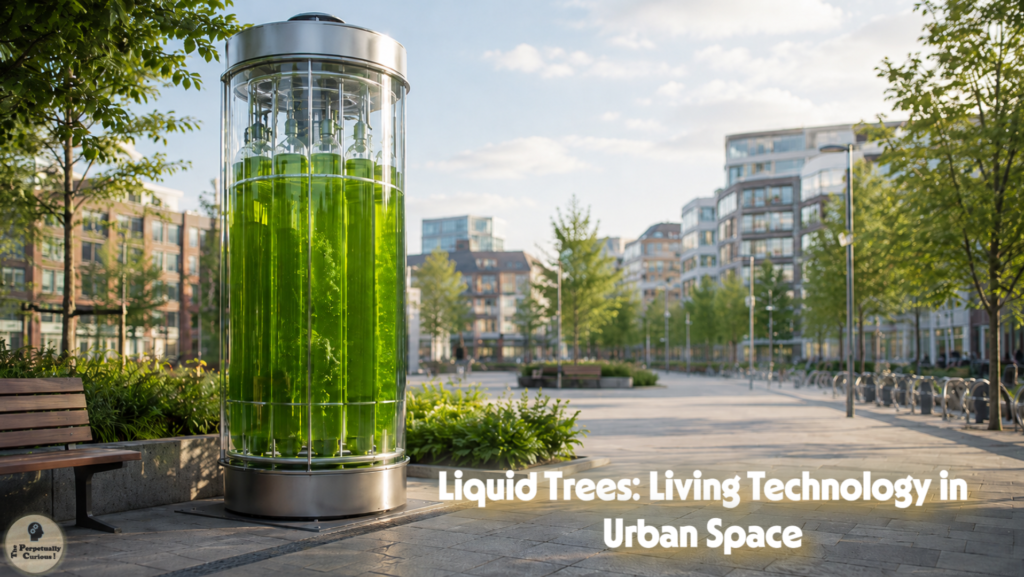
Continue with the full article🌿 Liquid Trees: Microalgae Photobioreactors and the Quiet Art of Urban Breathing
Before locomotives, early railways had already established the logic that engines would inherit: a fixed path, guided wheels, and a growing need for power that did not tire. Steam changed the source of that power, not the basic idea of the railway.
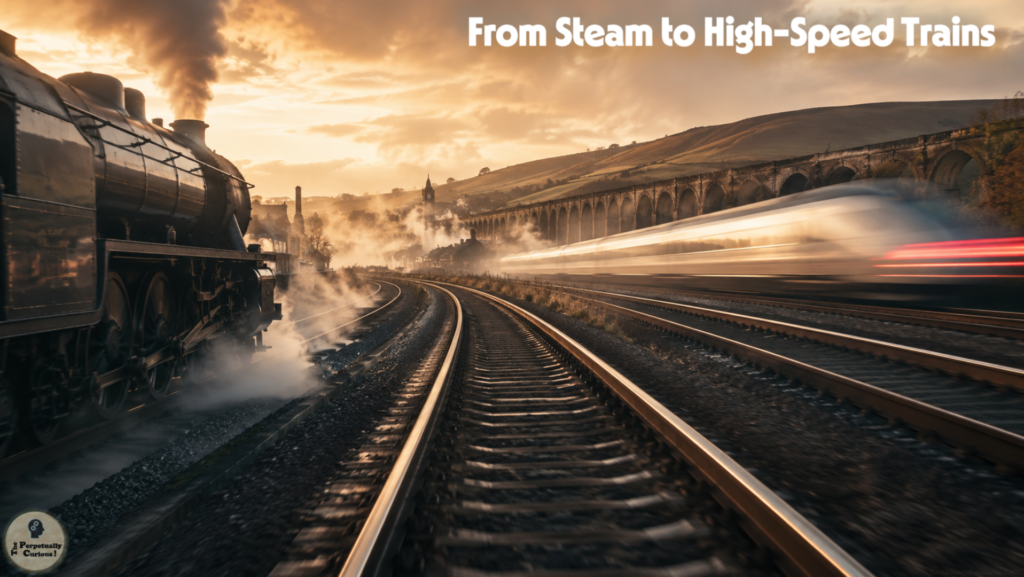
Continue with the full article🚂 Echoes of Steam, Currents of Steel: Train Engines and the Rise of High-Speed Motion
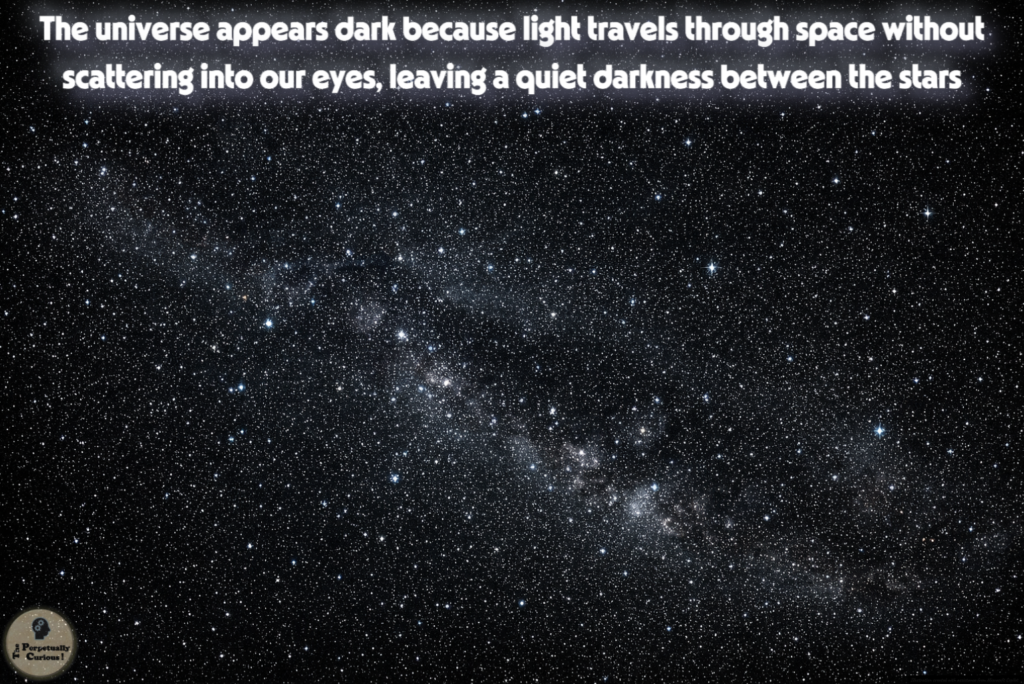
Space can be filled with light and still look black. Light usually travels through near-empty regions without scattering sideways into our eyes, so the path between a distant source and an observer remains largely invisible even when photons are moving through it.
Continue with the full article🌌 Why Space Looks Dark in a Universe Filled with Light: Understanding the Quiet Cosmos
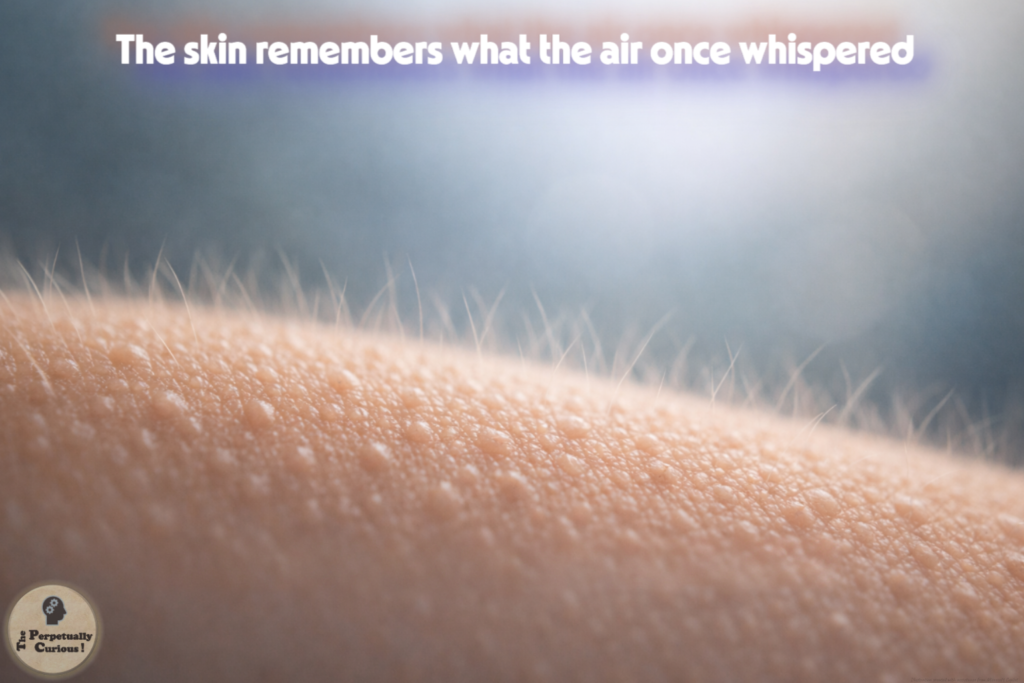
Goosebumps are a visible trace of piloerection: tiny arrector pili muscles contract, lifting hairs and forming ridges in the skin. The same reflex can appear with cold or intense emotion, carrying an old mammalian response into human experience.
Continue with the full article🌡️ When the Skin Remembers the Cold: Why We Get Goosebumps
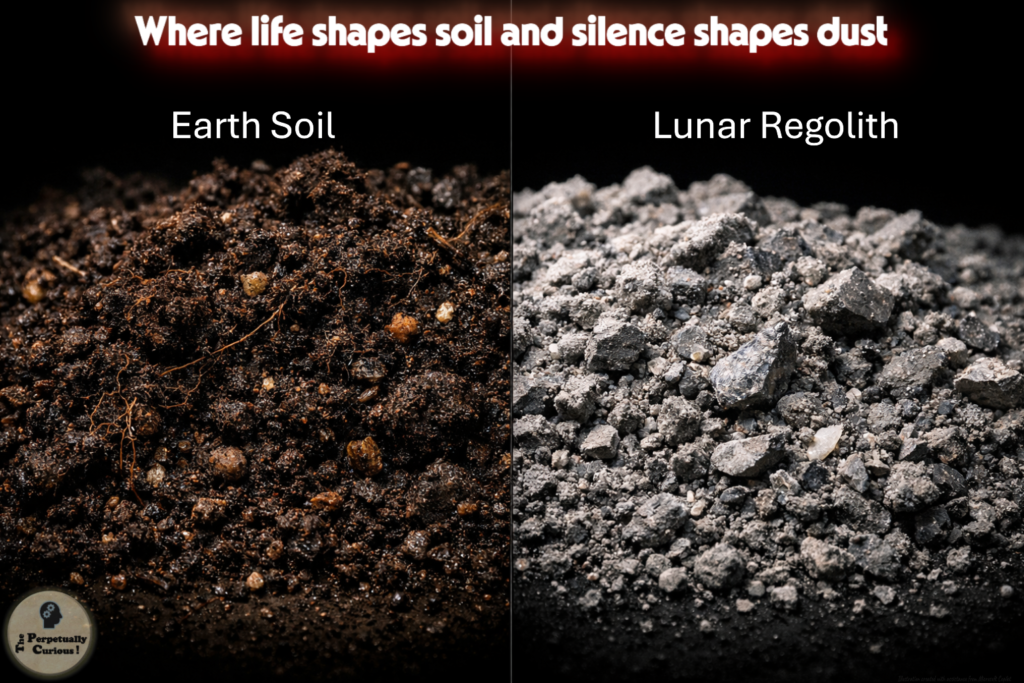
Earth and Moon began with broadly similar elemental ingredients, yet their surfaces followed different paths. Water, air, and life shaped Earth soil, while impacts, radiation, and time transformed lunar regolith.
Continue with the full article🌍🌑 Where Two Soils Part Ways: Earth, Moon, and the Stories Written in Dust