Explore by topic, question, or idea. Find articles, reflections, videos, puzzles, and curiosity pathways gathered across the site.
Press Enter or select Search. A newly typed query starts globally; filters are applied only through the visible rail.
27 results for “blood brain barrier”
- The Perpetually Curious! › Canonical › Biology & HealthArticle
☀️ Sunlight, Skin, and the Quiet Alchemy of Vitamin D
From section: 🔬 A waiting molecule in the skinAt this scale, the skin is more than a protective barrier. It becomes a site of photochemistry, where light reshapes a molecule and begins a pathway that continues after the illumination ends. The next transformation requires no additional UVB. It proceeds gradually through the warmth of the skin itself.
- The Perpetually Curious! › Canonical › Biology & HealthArticle
🌫️ Why We Get Hiccups: The Reflex Beneath Every Small “Hic”
From section: 🧠 The hiccup reflex arc: nerves, brainstem, and timing… Sensory signals often move through the phrenic nerve, which innervates the diaphragm, and the vagus nerve, which carries information from the chest and abdomen to the brain.
- The Perpetually Curious! › Canonical › Biology & HealthArticle
🌫️ When the World Blurs for a Moment: Why We Sneeze
From section: 🧠 The brainstem’s hidden sneeze circuit… When this pathway is disrupted in experimental models, sneezing becomes significantly reduced, which supports the idea that the reflex depends on a specific nose-to-brain circuit.
- The Perpetually Curious! › Canonical › Biology & HealthArticle
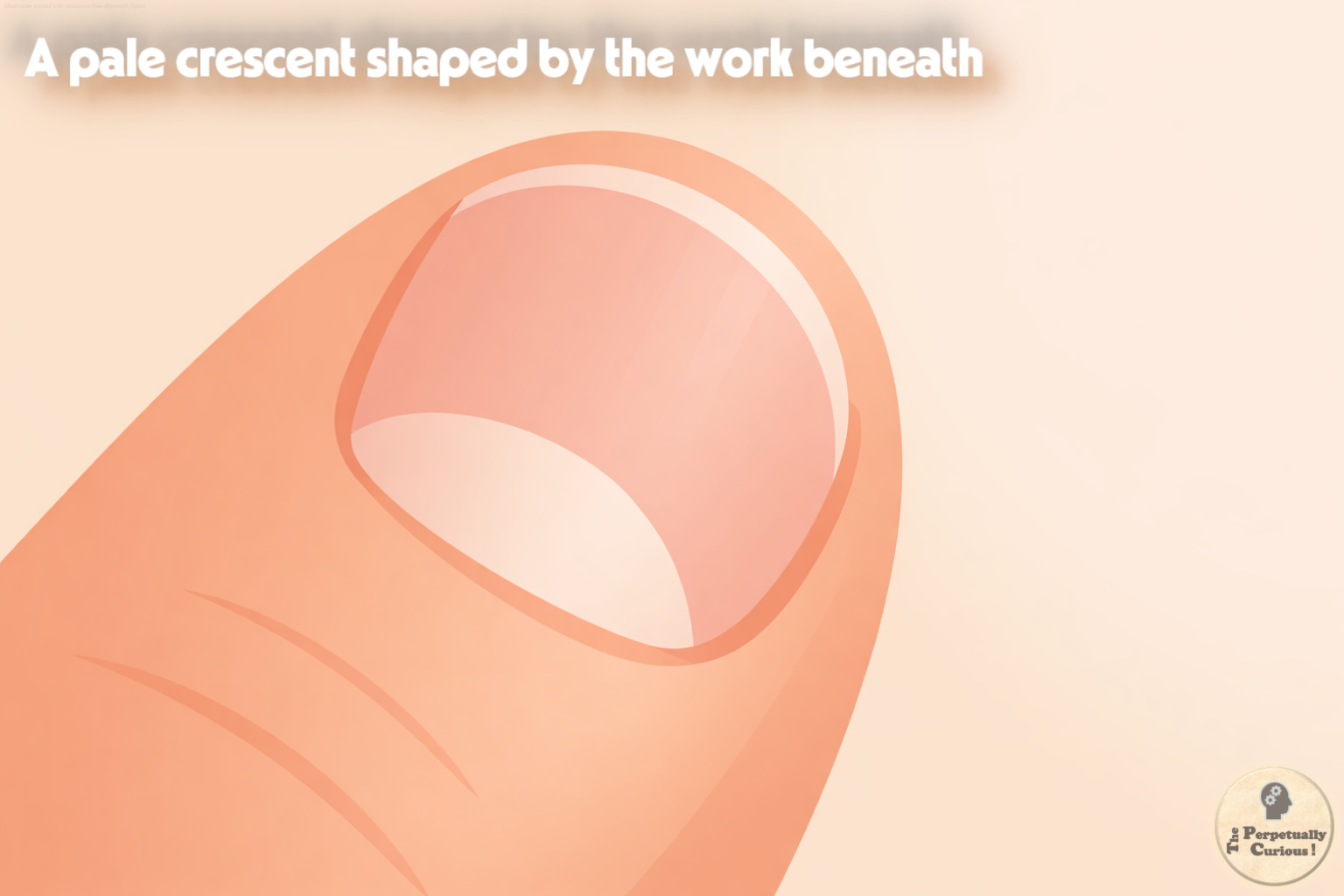
🌙 Little Moons at the Base of Our Nails: The Quiet Science of the Lunula
From section: Frequently Asked Questions+Why is the lunula white? It appears white because the matrix in that region is thicker and filled with developing cells that scatter light while also obscuring the underlying blood vessels that give the rest of the nail its pink color.
- The Perpetually Curious! › Archives › Biology & HealthArticle
When Time Becomes the Enemy: Understanding Parkinson's and Alzheimer's Through Temporal Disruption 🕰️
James Parkinson, who in 1817 described the “shaking palsy,” a condition in which the brain’s timing and sequencing of movement becomes increasingly impaired.
- The Perpetually Curious! › Archives › Biology & HealthArticle
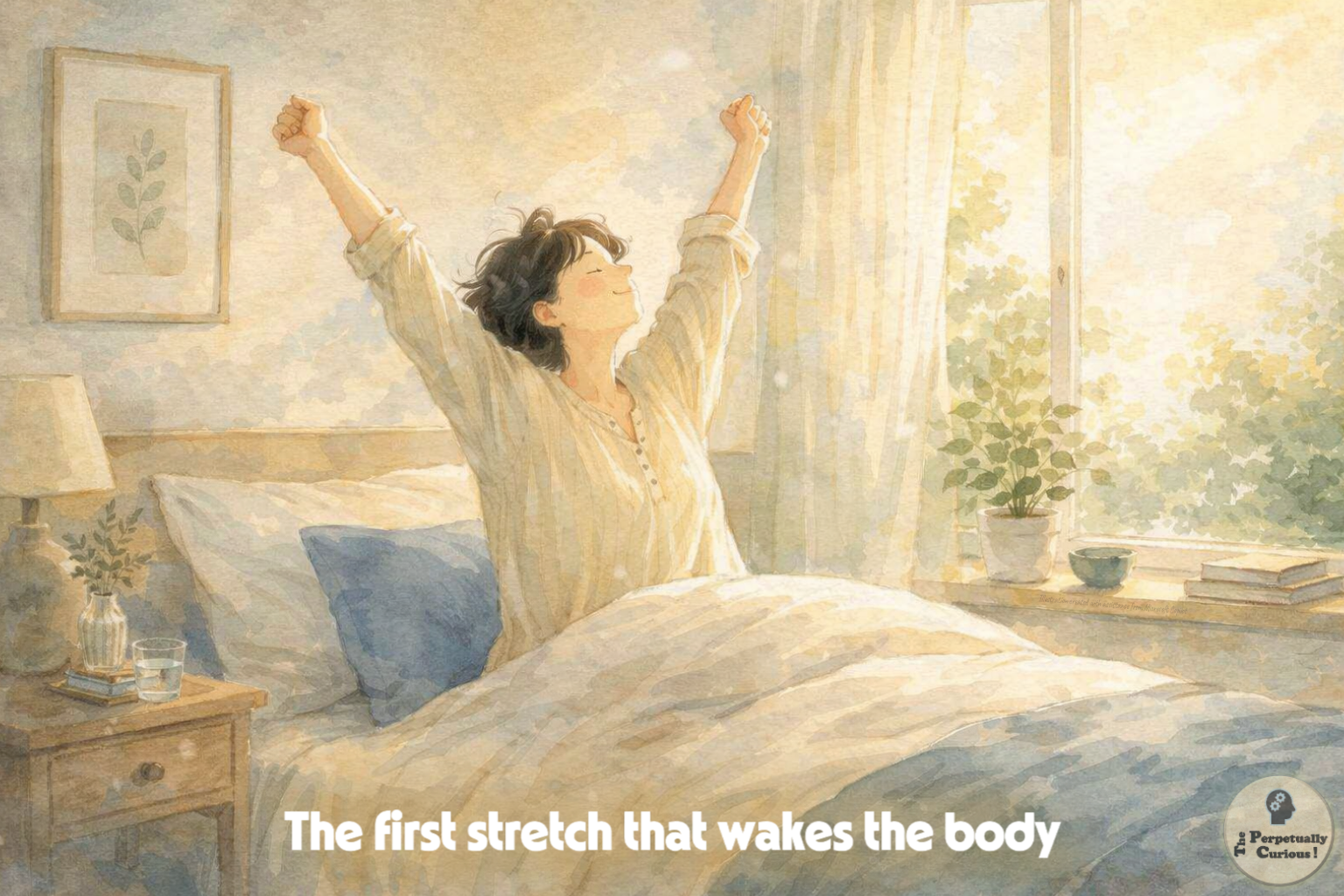
🌅 Pandiculation: How the Waking Stretch Restores Body Awareness
From section: When stillness quiets the body’s mapTheir signals travel toward the spinal cord and brain, contributing to an internal map that guides balance, posture, and voluntary motion.
- The Perpetually Curious! › Archives › Biology & HealthArticle
🌙 White Half Moon on Nails: The Quiet Growth Zone Beneath
From section: The crescent begins in the matrixThey scatter light and reduce the visibility of the tiny blood vessels below.