Explore by topic, question, or idea. Find articles, reflections, videos, puzzles, and curiosity pathways gathered across the site.
Press Enter or select Search. A newly typed query starts globally; filters are applied only through the visible rail.
175 results for “how seeds become cooking oil”
- The Perpetually Curious! › Archives › PhysicsArticle
❄️⚡ The Peltier Effect: When Electricity Becomes Heat Flow
From section: 🌍 IntroductionThat symmetry has since become the foundation of technologies that quietly shape modern life.
- The Perpetually Curious! › Archives › Engineering & TechnologyArticle
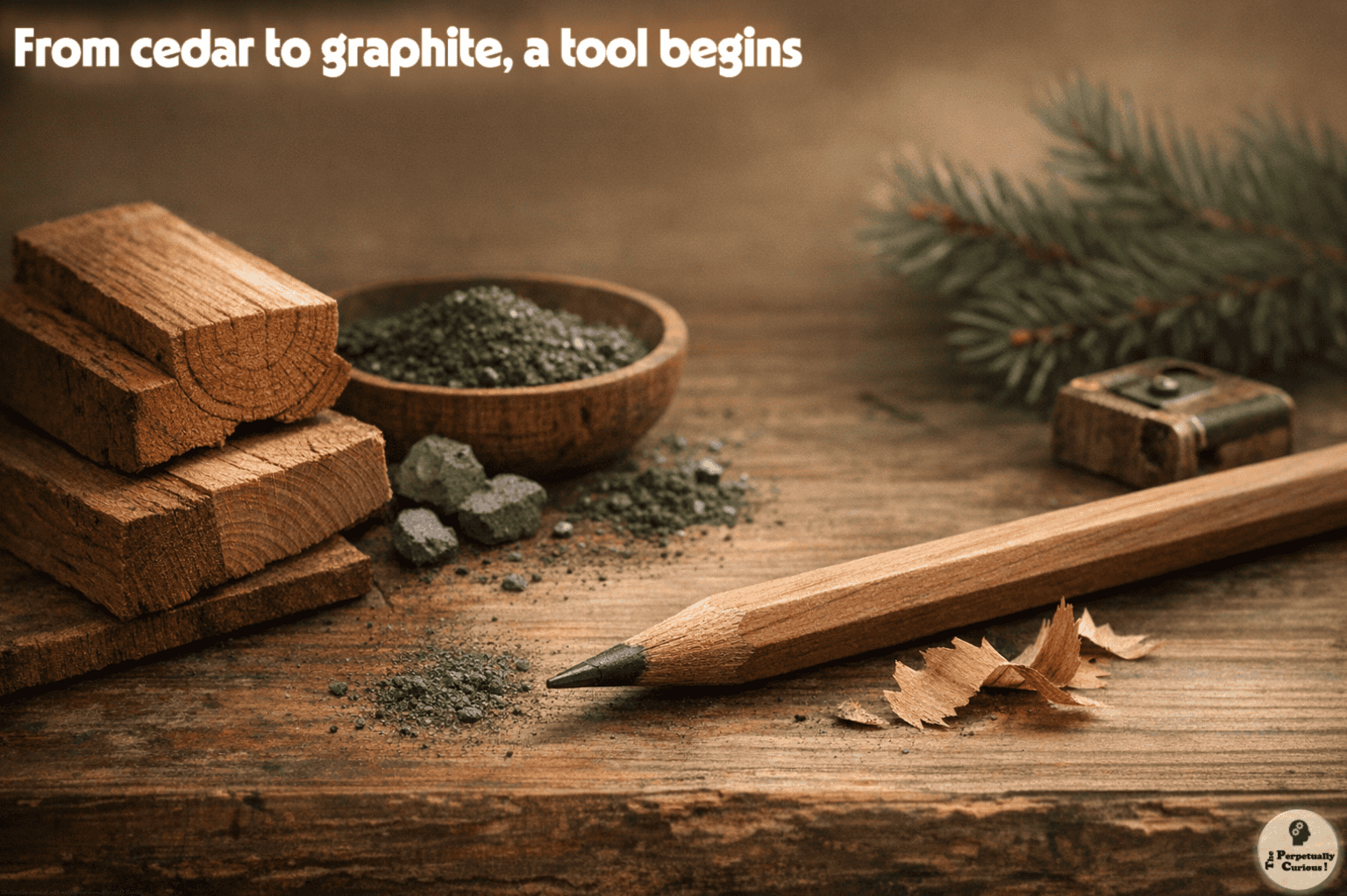
✏️ Pencil Making: How Graphite and Cedar Become a Line
From section: Why the wood mattersIf the core sits off center, the point may become uneven.
- The Perpetually Curious! › Canonical › Cosmic ExplorationArticle
🌌 The Universe’s Ancient Whisper: Decoding the Cosmic Microwave Background
From section: 🔍 A discovery hidden in plain sight… In 1948, physicists Ralph Alpher and Robert Herman estimated that radiation left from a hot early universe should now have cooled to about 5 K. George Gamow and other theorists also developed early-universe ideas, but the predictions did not become a widely coordinated observational search.
- The Perpetually Curious! › Canonical › ChemistryArticle
💧 When Water Turns Gentle: The Science and Story of Water Softening
From section: Frequently Asked Questions+Does softened water affect cooking? Water chemistry can influence cooking. Calcium and magnesium may slow the softening of beans, legumes, and some vegetables by interacting with pectin-rich cell structures. The effect varies with the food and the composition of the water.
- The Perpetually Curious! › Canonical › Engineering & TechnologyArticle
🚂 Echoes of Steam, Currents of Steel: Train Engines and the Rise of High-Speed Motion
From section: 🛢️ Diesel arrives: internal combustion on the railsDiesel engines were generally more efficient than steam locomotives, required less day-to-day servicing, and did not depend on frequent water stops. The diesel fuel inside these locomotives also begins in the wider world of petroleum refining, where crude oil is separated and processed into usable fuel streams.
- The Perpetually Curious! › Canonical › Biology & HealthArticle
🌫️ When the World Blurs for a Moment: Why We Sneeze
From section: 🌾 What commonly triggers a sneezeAllergens are another frequent source. Pollen, pet dander, and mold spores may provoke immune responses in susceptible individuals. In these cases, the nasal lining can become inflamed, and sensory nerves may become more reactive, which increases the likelihood of sneezing.
- The Perpetually Curious! › Canonical › Botanical WondersArticle
🌿 Trees That Drink the Sky: How Certain Species Shape Water and Land in South India
From section: 🌳 Prosopis juliflora: An introduced survivor… Its seeds are dispersed by livestock, birds, and flowing water, which helps explain its wide distribution across drylands and tank margins.
- The Perpetually Curious! › Canonical › Botanical WondersArticle
🍃 Bael Tree: Ecology, Sacred Groves, and Cultural History
From section: 🍊 The fruit: hard shell, fragrant heartThe pulp is golden to orange, divided into segments filled with seeds surrounded by a sticky, mucilaginous material. The aroma is sweet and slightly floral, and the flavor is often described as sweet with a mild tang and occasional astringency. …
- The Perpetually Curious! › Canonical › Environment & SustainabilityArticle
🔄 Tides of Plastic: Microplastic Pollution in the Oceans and Its Journey Back to Us
The ocean has always carried stories. It carries the weight of tides, the drift of plankton, and the quiet pulse of currents that circle the planet. Today, it carries something else as well. It carries countless fragments of human life that have become small enough to slip…
- The Perpetually Curious! › Canonical › Biology & HealthArticle
😮💨 When A Breath Becomes a Yawn: Why We Yawn and What This Quiet Reflex May Reveal
A yawn often arrives softly, as if carried on an internal tide. A slow, deep inhalation gathers the body, the jaw opens wide, the eyes close for a moment, and then a long exhalation follows. It is a gesture so familiar that it often passes without notice, yet it carries a quiet mystery.