Explore by topic, question, or idea. Find articles, reflections, videos, puzzles, and curiosity pathways gathered across the site.
Press Enter or select Search. A newly typed query starts globally; filters are applied only through the visible rail.
62 results for “liquid trees”
- The Perpetually Curious! › Archives › PhysicsArticle
⚗️ The Invisible Revolution: Understanding the Ancient Art and Modern Science of Glass Manufacturing
Where Sand Becomes Transparent 🏛️ Glass surrounds us so completely that we rarely pause to consider its profound mystery. This transparent solid, neither truly liquid nor conventionally crystalline, represents one of humanity's most transformative discoveries.
- The Perpetually Curious! › Archives › Food & LifestyleArticle
🌾 From Seed to Shimmering Skillet: The Quiet Science of Cooking Oils
A bottle of cooking oil often appears simple and familiar, yet its journey from seed to liquid light is far more intricate than its calm surface suggests. Inside every seed lies a quiet reservoir of stored energy, a compact promise of future growth.
- The Perpetually Curious! › Archives › Cosmic ExplorationArticle
The Unlikely Astronauts: What Earth’s Toughest Survivors Teach Us About the Possibility of Life Elsewhere 🦠
For decades, our search for alien life focused on finding another Earth: a comfortable, temperate world with liquid water and gentle sunshine. But life, as we have discovered, finds a way in the most hostile environments imaginable.
- The Perpetually Curious! › CanonicalGateway
🌱 Environment & Sustainability | ✍️ Articles
From section: 🏙️ Urban Sustainability & Environmental InnovationLiquid Trees
- The Perpetually Curious! › Archives › Engineering & TechnologyArticle
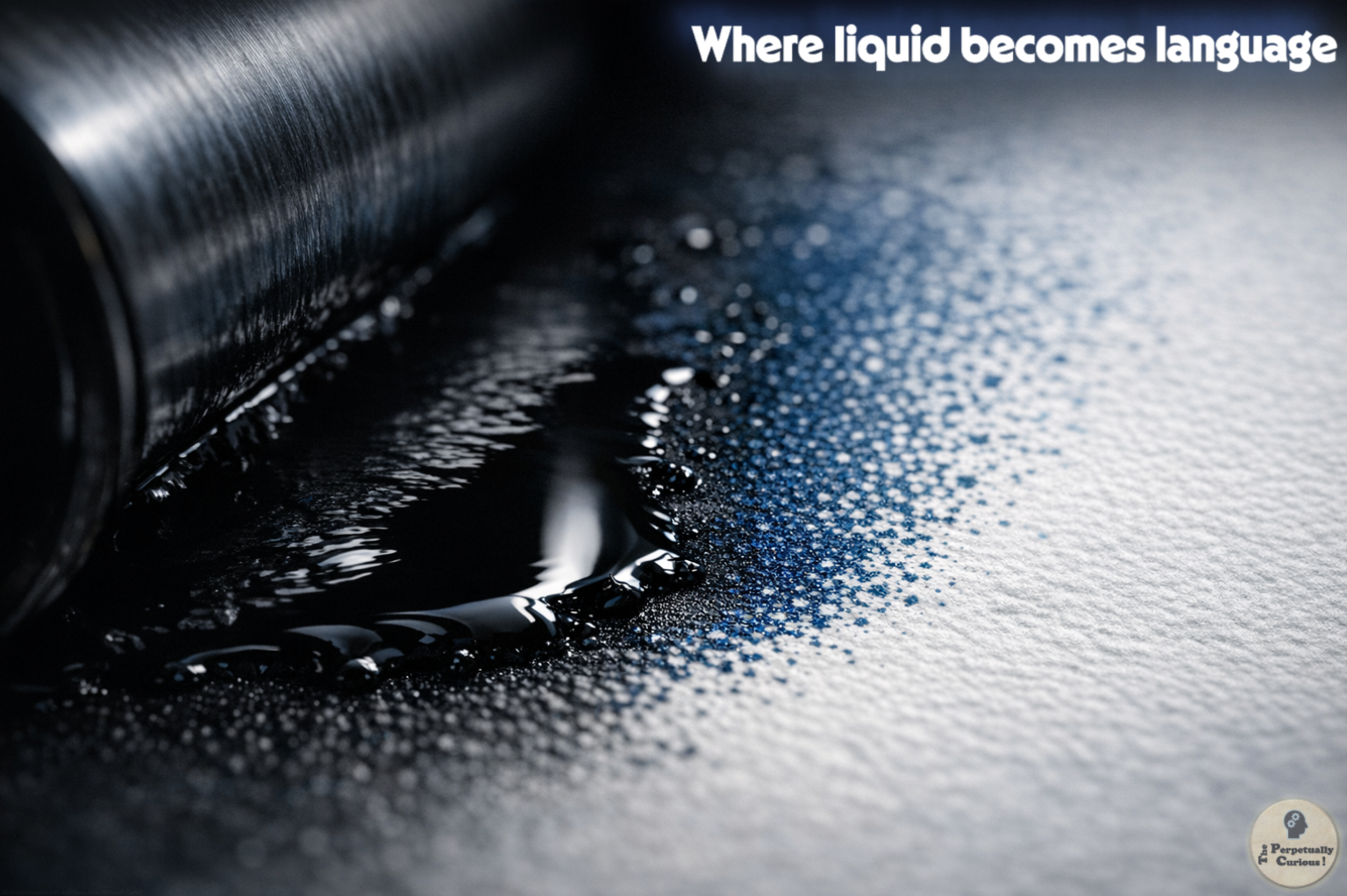
🖋️ Printing Ink: What Happens When a Wet Drop Meets Paper
Freshly printed letters look complete almost as soon as they appear. At the microscopic scale, however, the mark is still becoming itself. A thin liquid film has just struck a surface made of fibers, pores, coatings, and air spaces.
- The Perpetually Curious! › Canonical › Engineering & TechnologyArticle
🧪 The Making of Toothpaste: The Subtle Science Behind a Daily Ritual
From section: ⚙️ How manufacturing begins with a liquid base that sets the stageThe order in which these ingredients are combined matters as much as the ingredients themselves, and manufacturing begins not with powders but with the liquid base that will carry them. …
- The Perpetually Curious! › Canonical › Engineering & TechnologyArticle
🖋️ Printing Ink: The Science and Living History Behind the Printed Page
From section: 🎨 What ink is made of: The foundation of color and formColorants are either pigments or dyes. Pigments are solid particles that remain suspended in the liquid. Their particle sizes often range from roughly 100 nanometers to about 1 micrometer, and their surfaces may be treated with dispersants to prevent agglomeration. Because pigments do not dissolve, they often resist…
- The Perpetually Curious! › Canonical › Biology & HealthArticle
🧠 The Neural Symphony: How Neurons, Glia, and Networks Shape Human Experience
From section: 🌳 The magnificent diversity of neural architecturePurkinje cells of the cerebellum are among the most visually elaborate neurons in the nervous system. Their enormous, flattened dendritic trees receive input from vast numbers of parallel fibers while each Purkinje cell also receives a powerful climbing-fiber input. …
- The Perpetually Curious! › Canonical › Biology & HealthArticle
🌫️ Why We Get Hiccups: The Reflex Beneath Every Small “Hic”
From section: 🍽️ Everyday triggers: stomach stretch, temperature shifts, and emotionSudden temperature shifts, such as drinking very cold liquid after a warm meal, may also activate the reflex. Swallowing air while chewing gum or smoking can contribute. …
- The Perpetually Curious! › Canonical › Wilderness & Homestead CreaturesArticle
🐘 Minds Like Quiet Rivers: The Intelligence of Elephants
From section: 🌱 Ecological engineers of the landscapeRepeated digging at dry riverbeds can create small waterholes that benefit other species. Breaking branches and pushing over trees can open pathways and maintain grassland areas. Wallowing sites may become microhabitats for frogs, insects, and birds.