Explore by topic, question, or idea. Find articles, reflections, videos, puzzles, and curiosity pathways gathered across the site.
Press Enter or select Search. A newly typed query starts globally; filters are applied only through the visible rail.
10 results for “the hidden palette of plant pigments”
- The Perpetually Curious! › Canonical › Engineering & TechnologyArticle
📄 How Paper Is Made: From Plant Fibers to Human Memory
A sheet of paper seems to offer almost nothing: a pale surface, a little weight, a space waiting for a mark. Yet a shopping list, a drawing, and a letter all depend on an intricate material hidden beneath that apparent simplicity.
- The Perpetually Curious! › Canonical › Engineering & TechnologyArticle
🧪 The Making of Toothpaste: The Subtle Science Behind a Daily Ritual
Understanding how toothpaste is made reveals the intricate craft behind an object that most people use without a second thought, and this hidden craft mirrors the transformations seen in pencil making, where simple materials are shaped into a tool that quietly supports daily life.
- The Perpetually Curious! › Canonical › Engineering & TechnologyArticle
🖋️ Printing Ink: The Science and Living History Behind the Printed Page
From section: 🎨 What ink is made of: The foundation of color and formColorants are either pigments or dyes. Pigments are solid particles that remain suspended in the liquid. Their particle sizes often range from roughly 100 nanometers to about 1 micrometer, and their surfaces may be treated with dispersants to prevent agglomeration. Because pigments do not dissolve, they often resist…
- The Perpetually Curious! › Canonical › Engineering & TechnologyArticle
🌬️ The Turning Wind: How Wind Turbines Generate Electricity
From section: Frequently Asked Questions+… The generator can use the same principle of electromagnetic induction. In a hydroelectric plant, flowing water turns the turbine instead of air turning the blades. The story of hydroelectric power at Niagara Falls shows how water is shared between power generation and the falls themselves.
- The Perpetually Curious! › Canonical › Engineering & TechnologyArticle
🏭 Petroleum Refining: The Process Behind Heat, Pressure, and Design
The refinery becomes a place where matter is encouraged to reveal its hidden structure, one temperature rise and pressure shift at a time.
- The Perpetually Curious! › Archives › Engineering & TechnologyArticle
✈️ The Engineering Mastery Behind Airplane Washrooms: Innovation and Sustainability at High Altitudes
From section: The Journey After Landing 🛬This is the final stage in a thoughtfully managed process that prioritizes both passenger well‑being and environmental responsibility. 🧳 Next time you take to the skies, pause to appreciate the hidden engineering marvels that quietly safeguard your comfort and keep both your journey and the cabin pristine. …
- The Perpetually Curious! › Archives › Engineering & TechnologyArticle
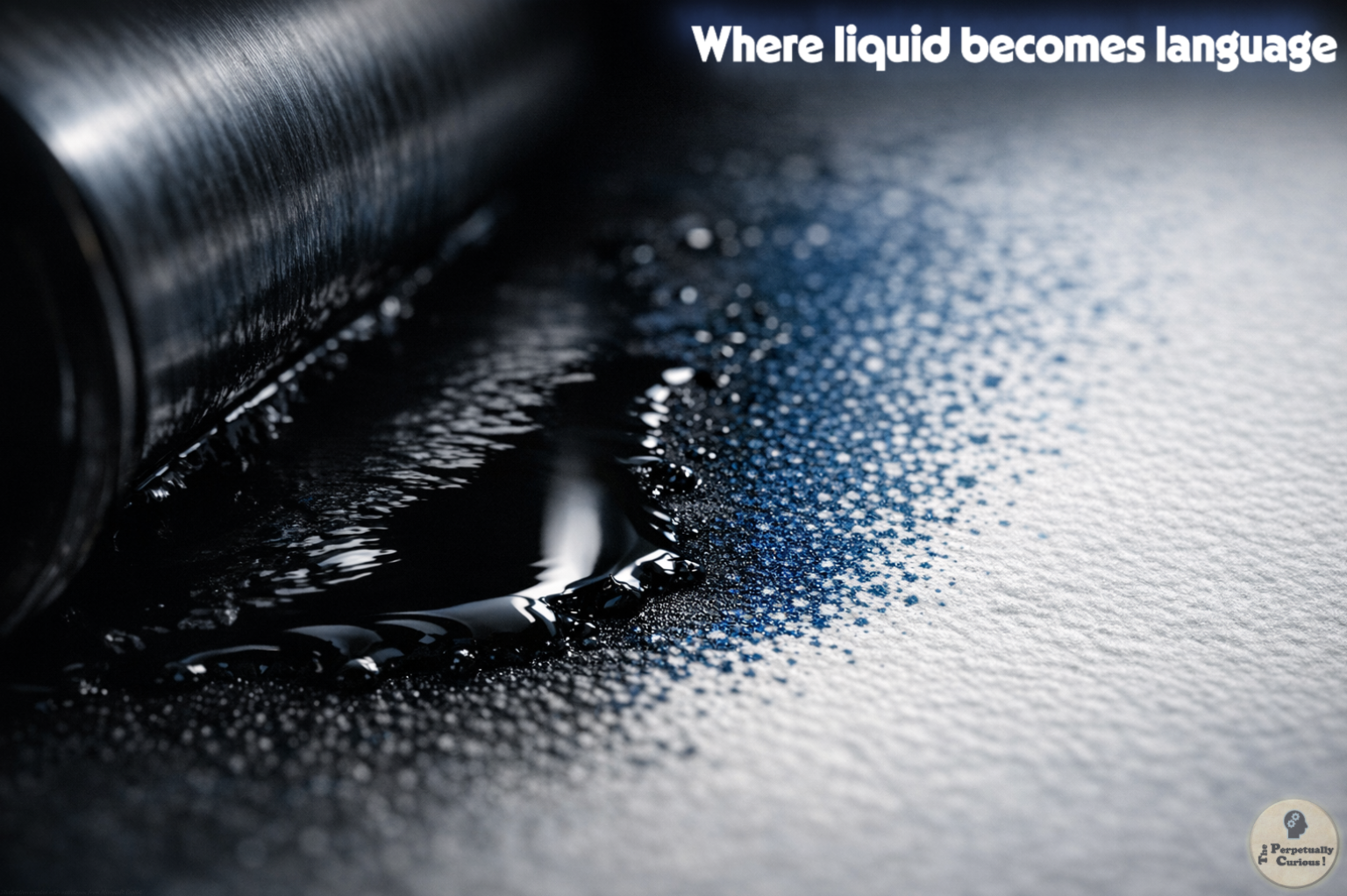
🖋️ Printing Ink: What Happens When a Wet Drop Meets Paper
From section: 📄 What remains after the motion stopsThe broader science and living history of printing ink follows how pigments, binders, printing systems, curing methods, lifespans, and changing human uses extend far beyond this single meeting between liquid and page.
- The Perpetually Curious! › Archives › Engineering & TechnologyArticle
🚂 Train Engines: How Steam, Diesel, and Electricity Reach the Wheels
From section: 🔥 Fire, water, and the first self-moving railway machineIn many regions, coal supplied the concentrated heat, linking railway expansion to coal's formation from ancient plant matter across deep time.
- The Perpetually Curious! › Archives › Engineering & TechnologyArticle
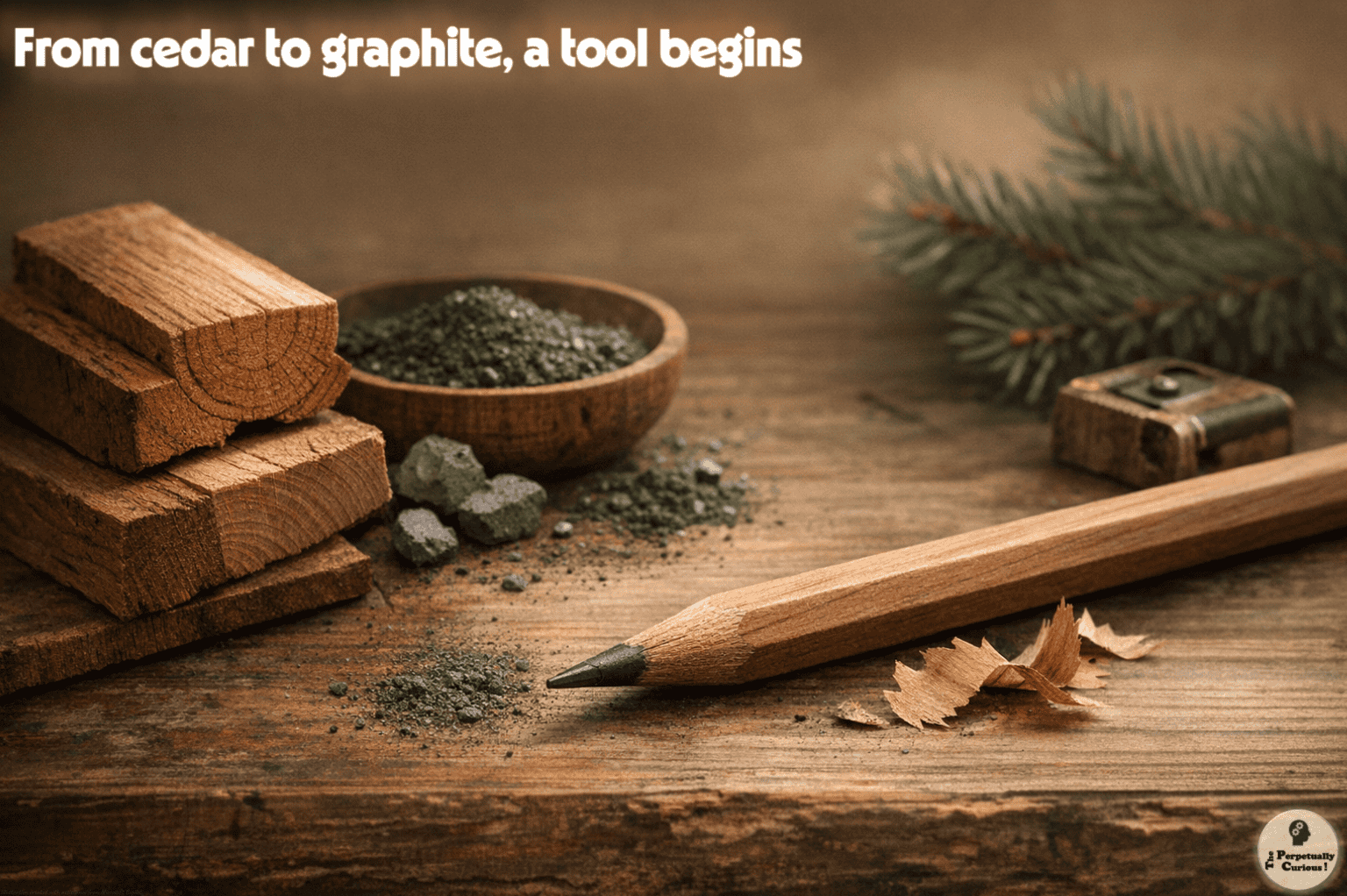
✏️ Pencil Making: How Graphite and Cedar Become a Line
From section: Why the wood mattersThe ordinary act of sharpening therefore reveals the hidden quality of the earlier manufacturing steps.
- The Perpetually Curious! › Archives › Engineering & TechnologyArticle
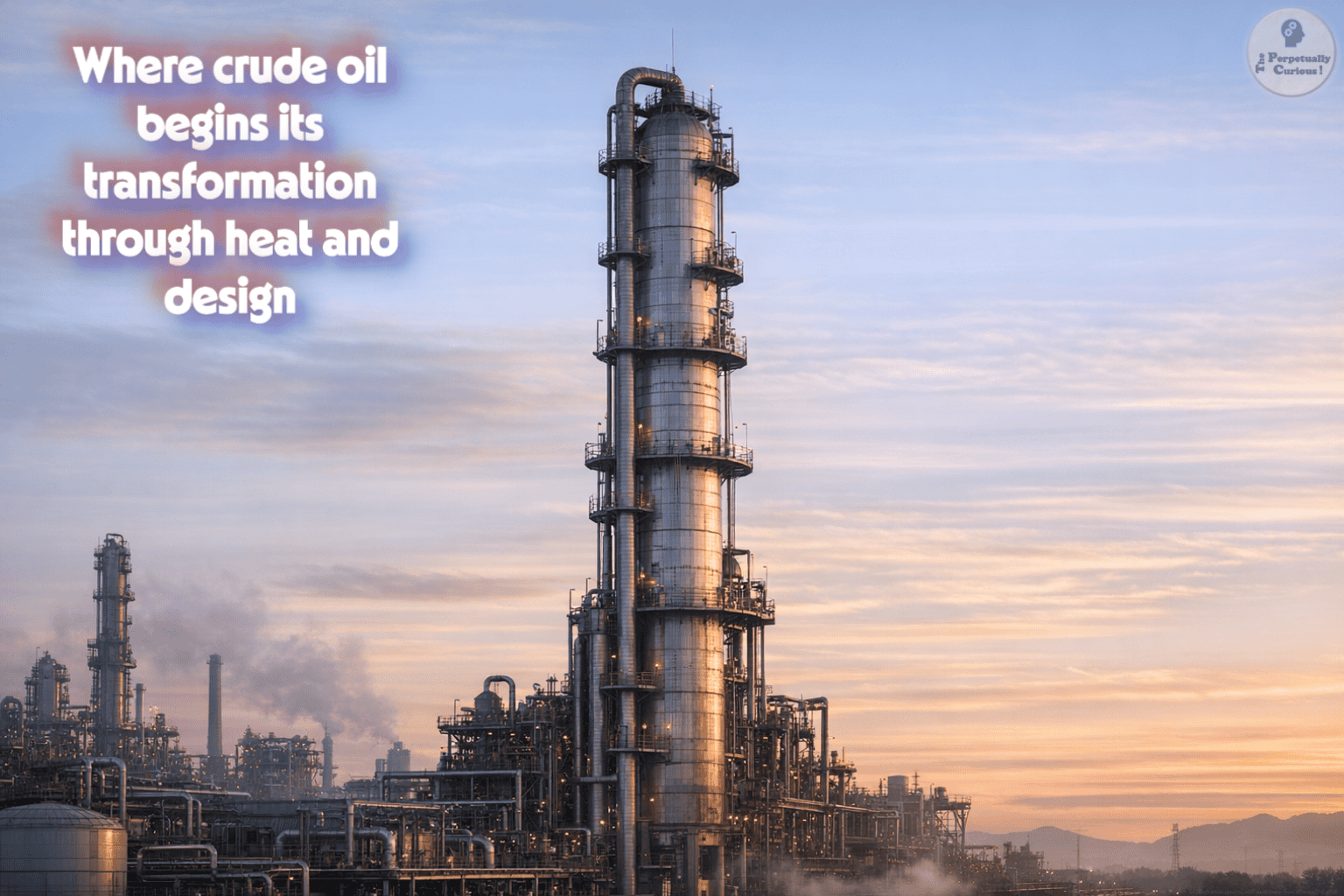
🏭 Petroleum Refining: How Crude Oil Begins to Transform
From section: Why boiling range mattersThis is why the tower becomes such a strong visual symbol of refining: it turns hidden molecular differences into a visible pattern of separated streams.