Explore by topic, question, or idea. Find articles, reflections, videos, puzzles, and curiosity pathways gathered across the site.
Press Enter or select Search. A newly typed query starts globally; filters are applied only through the visible rail.
20 results for “the hidden palette of plant pigments”
- The Perpetually Curious! › Canonical › Planet EarthArticle
🌐 How SONAR Uses Sound to Map the Hidden Ocean Depths
SONAR, which stands for Sound Navigation and Ranging, is one of the main ways humans listen to and illuminate this hidden realm.
- The Perpetually Curious! › Canonical › Planet EarthArticle
🌍 Why Mud Is Brown or Black: Where Earth Turns to Quiet Ink
From section: 💡 Did You Know🟤 In some wetlands, dissolved organic compounds called humic substances can stain mud dark brown or nearly black, even when iron levels are low. These natural pigments come from the slow breakdown of plant material.
- The Perpetually Curious! › Archives › Planet EarthArticle
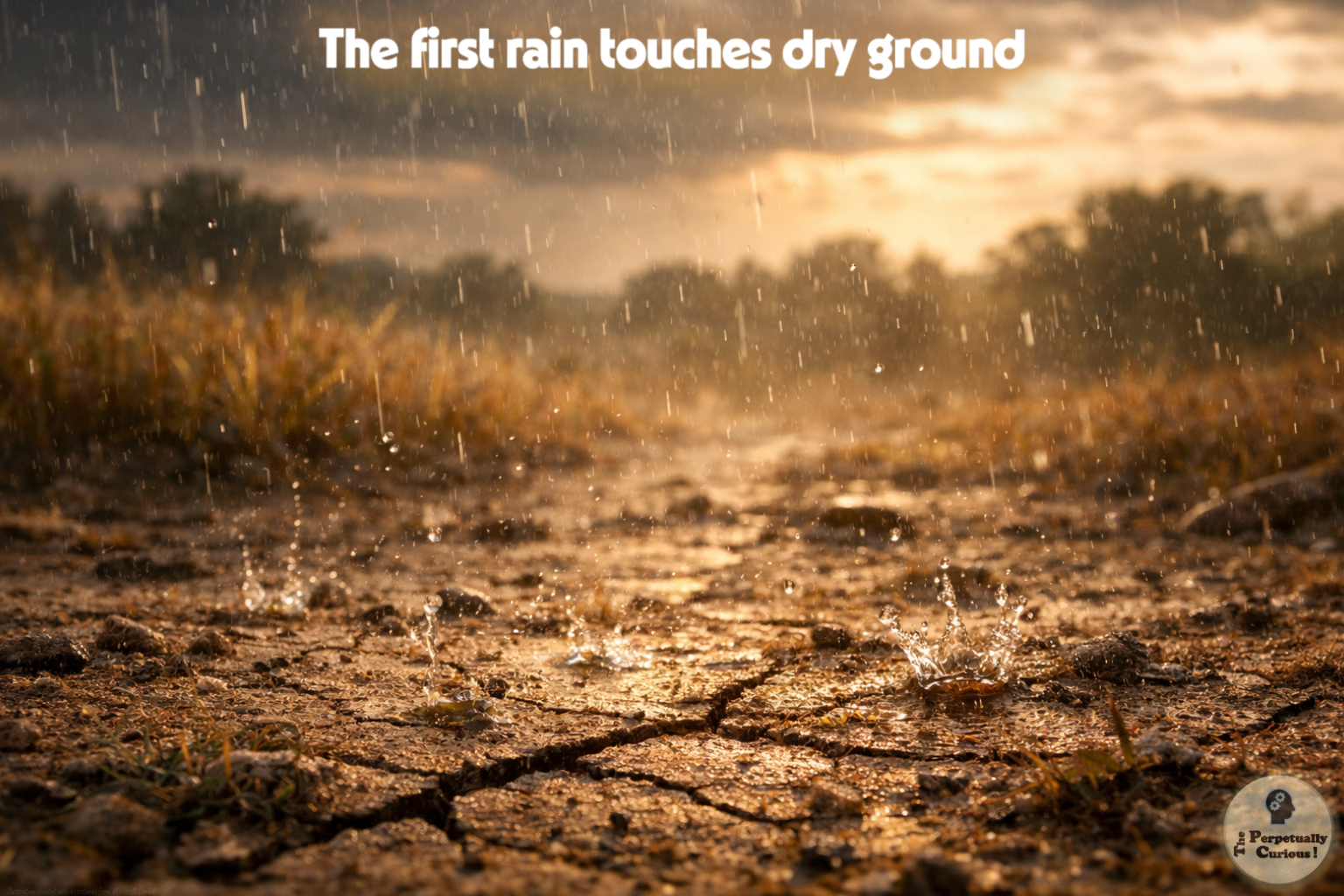
🌧️ Petrichor: How First Rain Lifts Earth’s Hidden Scent
During dry periods, plant related oils and other volatile compounds can gather on surfaces.
- The Perpetually Curious! › Canonical › Planet EarthArticle
🌇 When the Sky Becomes a Painting: Why Clouds Glow Red and Orange at Sunset on Earth
From section: 🌤 Sunlight as a hidden rainbowThis hidden spectrum helps explain why the same Sun can create a blue midday sky and a warm evening horizon.
- The Perpetually Curious! › Canonical › Planet EarthArticle
🌑 How Coal Is Formed: The Slow Birth of Black Stone Across Deep Time
From section: 🌑 What coal really isThis description of coal as a rock made from altered plant remains naturally leads to a deeper question. How does living vegetation become buried, preserved, and eventually converted into a dense, carbon-rich material that can be mined in thick seams?
- The Perpetually Curious! › Canonical › Planet EarthArticle
🌫️ Mist Over Ancient Ridges: The Great Smoky Mountains as a Living, Breathing World
From section: 💡 Did You Know🌾 Some limestone coves, including places such as Cades Cove, contain fertile soils that support diverse plant communities and historically attracted agricultural settlements.
- The Perpetually Curious! › Canonical › Planet EarthArticle
🌧️ When Earth Begins to Breathe: Why Rain Smells the Way It Does
From section: 🌿 Plant oils waiting for rainBear and Thomas reported that certain petrichor‑related oils could retard seed germination and early growth under dry conditions, although this effect is species‑specific and not the primary function of plant oils in general.
- The Perpetually Curious! › Canonical › Planet EarthArticle
🌈 When Sunlight Paints the Rain: The Quiet Geometry of Rainbow Formation
From section: 🌟 Supernumerary rainbows: delicate fringes from wave behaviorSupernumerary rainbows therefore add a finer layer to the phenomenon. Ray optics explains where the main arcs appear, while wave interference explains the delicate structure hidden along their edges. …
- The Perpetually Curious! › Canonical › Planet EarthArticle
🏔️ Mount Kailash: A Summit Where Water, Story, and Sky Converge
From section: 🌱 A fragile high altitude environment… Vegetation is sparse, often limited to hardy grasses and shrubs that grow slowly because of thin soil and cold temperatures. Plant recovery from disturbance may take many years. Wildlife is adapted to extreme conditions, with species such as the Tibetan wild ass, foxes, and several birds inhabiting the plateau.
- The Perpetually Curious! › Canonical › Planet EarthArticle
🌊 Niagara Falls, Where Thundering Waters Shape Time
From section: 🌿 Life around the mist: Ecosystems and habitatsThe region lies near the northern edge of the Carolinian Life Zone, a biogeographic region known for relatively mild conditions and a diversity of plant and animal species more commonly found further south.