Explore by topic, question, or idea. Find articles, reflections, videos, puzzles, and curiosity pathways gathered across the site.
Press Enter or select Search. A newly typed query starts globally; filters are applied only through the visible rail.
83 results for “biology”
- The Perpetually Curious! › ArchivesGateway
TPC8‑QH‑BIOL‑002 🧬 Biology | 👨👩👧 Genetics & Heredity
🧬 Biology Quiz: BIOL‑002 | Genetics & Heredity 👉 Answer all 5 questions by clicking the option you believe is correct. Each choice you make will be highlighted. Once you have completed the quiz, select “Finish Quiz” to view your results and explanations. You can then print the…
- The Perpetually Curious! › ArchivesGateway
TPC8‑QH‑BIOL‑001 🧬 Biology | 🦠 Cells & Microorganisms
🧬 Biology Quiz: BIOL‑001 | Cells & Microorganisms 👉 Answer all 5 questions by clicking the option you believe is correct. Each choice you make will be highlighted. Once you have completed the quiz, select “Finish Quiz” to view your results and explanations.
- The Perpetually Curious! › ArchivesGateway
TPC8‑QH‑BIOL‑009 🧬 Biology | ❤️ Human Health & Physiology
🧬 Biology Quiz: BIOL‑009 | Human Health & Physiology 👉 Answer all 5 questions by clicking the option you believe is correct. Each choice you make will be highlighted. Once you have completed the quiz, select “Finish Quiz” to view your results and explanations.
- The Perpetually Curious! › Archives › Biology & HealthArticle
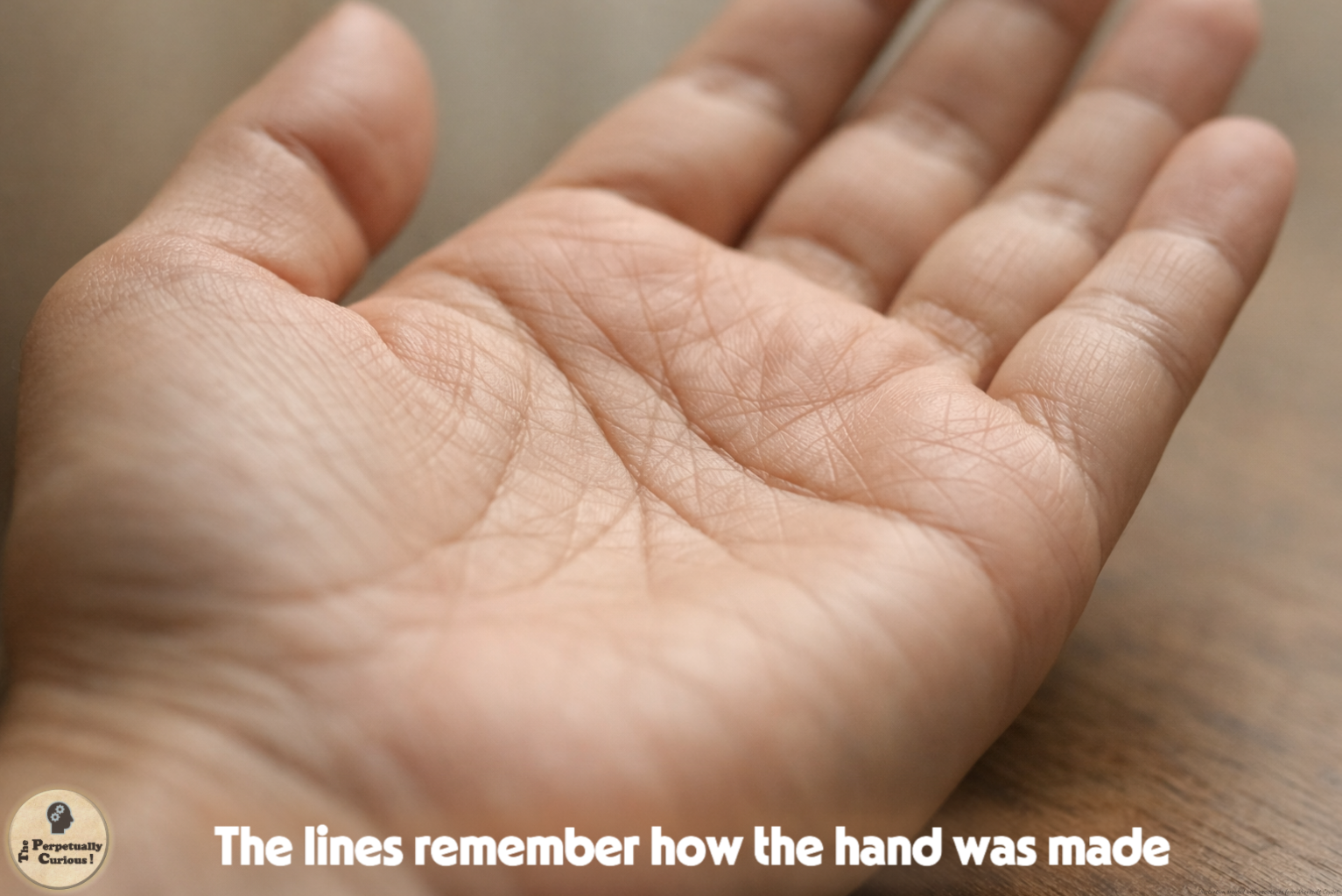
✋ Palm Lines Explained: The Quiet Folds That Help the Hand Move
From section: Where biology and meaning separateContinue the article on the main website
- The Perpetually Curious! › Canonical › Biology & HealthArticle
💧 Why We Cry: The Quiet Science of Tears, Sadness, and Grief
From section: 🌱 A gentle invitation to shareMurata K, Nagasawa M, Onaka T, et al. (2022). Increase of tear volume in dogs after reunion with owners is mediated by oxytocin. Current Biology, 32(16), R869-R870. [PMID: 35998592]
- The Perpetually Curious! › Canonical › Biology & HealthArticle
🧬 When Proteins Forget Their Shape: Protein Misfolding in Neurodegenerative Diseases
That distinction matters because neurodegeneration is rarely the story of one bad molecule. It is the story of abnormal protein biology meeting a vulnerable cell over time. …
- The Perpetually Curious! › Canonical › Biology & HealthArticle
🧠 The Brain’s Guarded Border: How the Blood-Brain Barrier Protects Us and Complicates Treatment
From section: 🧬 Neurological disorders reveal the central paradox… A treatment for a focal lesion may need to reach one region, while a treatment for a neurodegenerative or inherited metabolic disorder may need broad access across the brain. Molecular size, disease location, the condition of the barrier, and the biology of the target all influence what kind of delivery is plausible.
- The Perpetually Curious! › Canonical › Biology & HealthArticle
🟤 Small Islands in the Skin: Why Moles Form and Why Most Stop Growing
From section: ☀️ Where sunlight enters the story… Studies in children have found associations between sun exposure and nevus development, while the broader biology makes clear that ultraviolet exposure is not required for every nevus to arise.
- The Perpetually Curious! › Canonical › Biology & HealthArticle
🦠 Listening to the Hidden City Within: Understanding the Gut Microbiome
From section: Frequently Asked Questions+Continue through the wider landscape of Biology and Health articles, where the body’s rhythms, signals, defenses, and changing systems meet.
- The Perpetually Curious! › Canonical › Biology & HealthArticle
🧠 The Neural Symphony: How Neurons, Glia, and Networks Shape Human Experience
From section: 🧩 The neurotransmitter paradox: why simple stories persistSimple chemical stories are attractive because they offer a clean equation: dopamine equals pleasure, serotonin equals happiness, oxytocin equals love. Each contains a fragment of real biology, but each becomes misleading when the fragment is treated as the whole.