Explore by topic, question, or idea. Find articles, reflections, videos, puzzles, and curiosity pathways gathered across the site.
Press Enter or select Search. A newly typed query starts globally; filters are applied only through the visible rail.
216 results for “petrichor how first rain lifts earth hidden scent”
- The Perpetually Curious! › Canonical › Biology & HealthArticle
🦠 Listening to the Hidden City Within: Understanding the Gut Microbiome
In the quiet interior, life moves in patterns we rarely see, shaping its own slow conversation with us. A hidden city continues its work, steady and unhurried, carrying its rhythms beneath our awareness. We walk through the world while another world walks with us, patient and ever present.
- The Perpetually Curious! › Archives › Planet EarthArticle
🌊 The Great Lakes: North America's Temporary Inland Seas
Picture yourself holding a glass of water in Chicago. That water contains a mixture of ages, with some molecules that fell as rain just years ago and others that have circulated through Lake Superior for nearly two centuries.
- The Perpetually Curious! › Archives › Planet EarthArticle
When Nature's Fury Spirals: Understanding the Science Behind Nor'easters 🌊
Few weather phenomena capture the raw power of nature quite like a nor'easter bearing down on the Eastern Seaboard. These massive storm systems, born from the collision of opposing air masses over the Atlantic, represent some of the most complex and fascinating atmospheric dynamics on Earth.
- The Perpetually Curious! › Archives › Planet EarthArticle
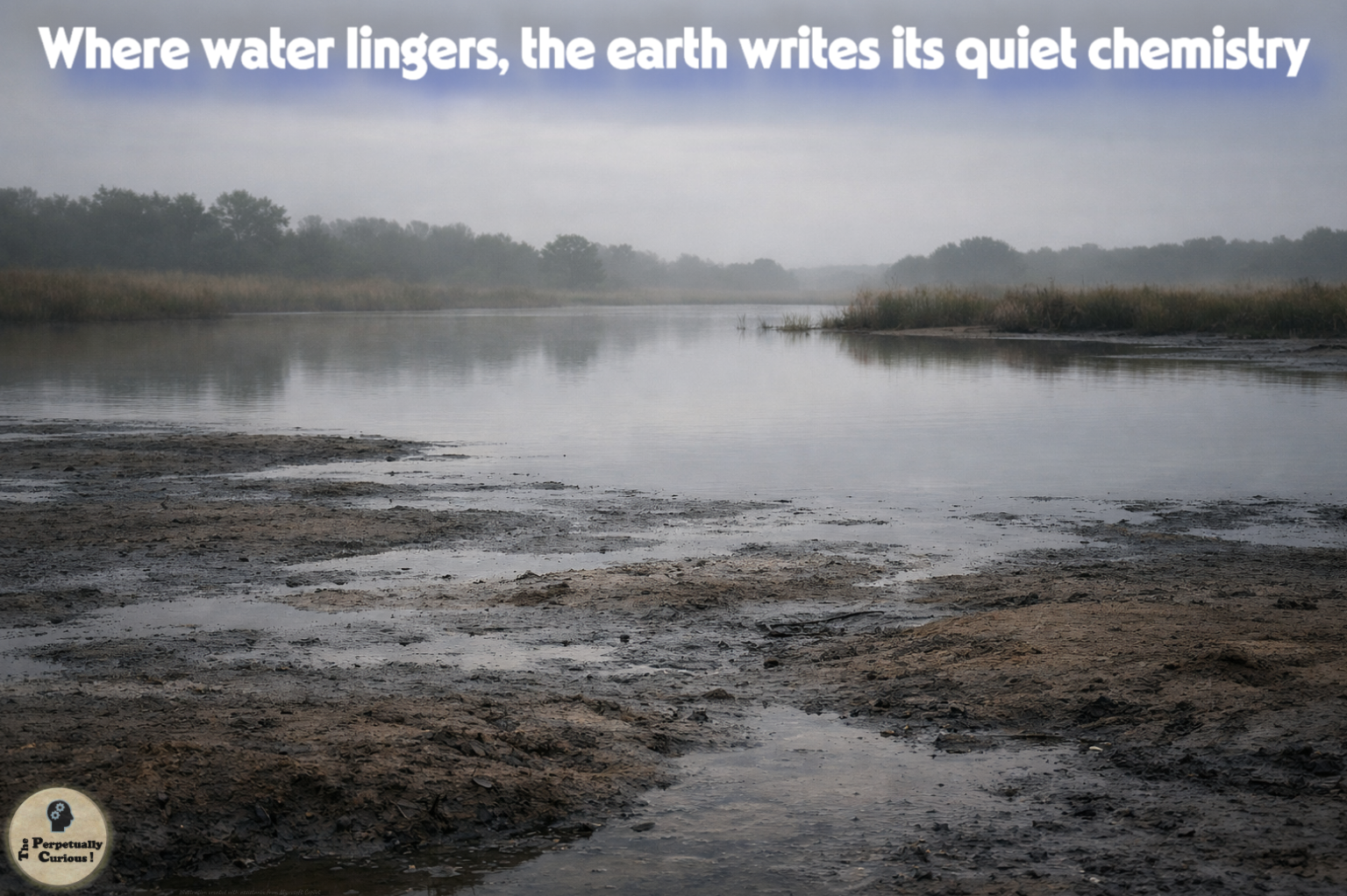
🌍 Why Mud Is Brown or Black: What Wet Soil Reveals
The first layer is simple: mud begins when soil holds more water than it can drain.
- The Perpetually Curious! › Archives › Planet EarthArticle
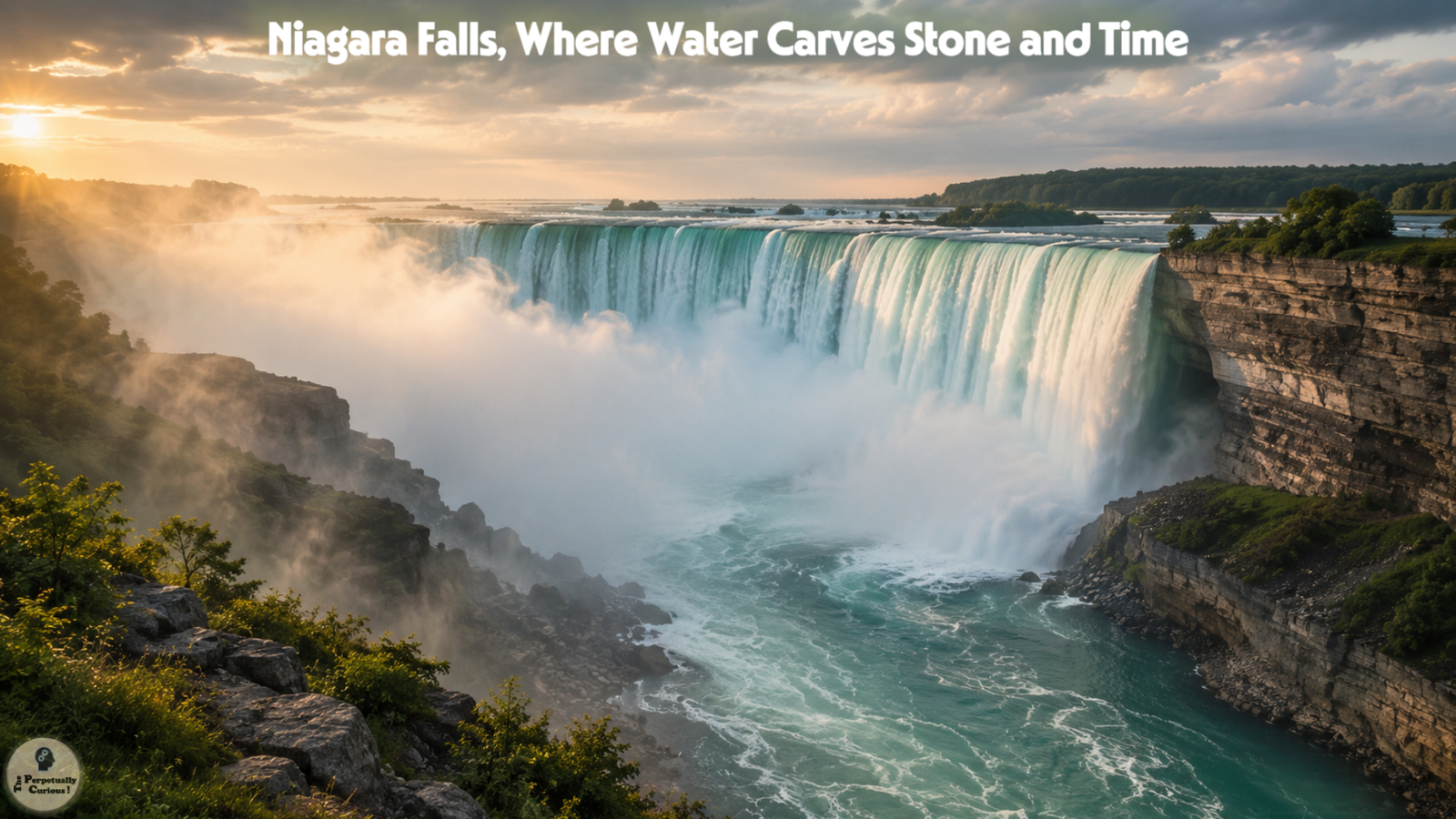
🌊 Niagara Falls Facts: How Water Turns Stone Into Time
When Niagara Falls first appears through its mist, it can feel like a single spectacular drop. But the falls are better understood as a place where a much larger water system briefly becomes visible. The water is not arriving from nowhere.
- The Perpetually Curious! › Archives › Planet EarthArticle
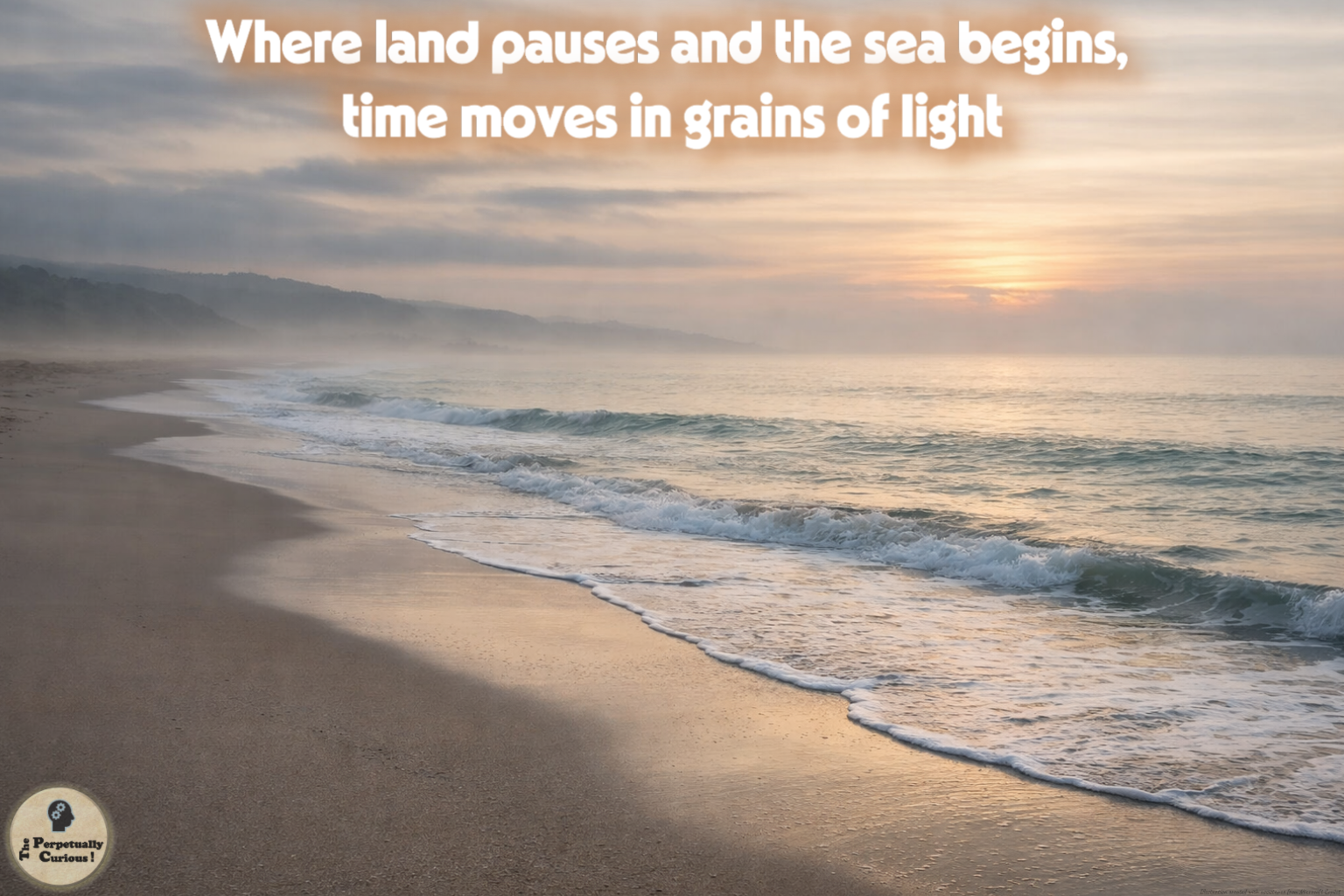
🌊 Why Beaches Have Sand
Beaches often appear simple at first glance. They seem like a narrow place where land and water meet. Yet the presence of sand along so many coastlines is the result of long journeys, slow transformations, and the combined work of rivers, weather, and waves.
- The Perpetually Curious! › Canonical › Cosmic ExplorationArticle
🌌 The Universe’s Ancient Whisper: Decoding the Cosmic Microwave Background
That light did not emerge at the first instant of the Big Bang. It began its free journey when the universe was about 380,000 years old, then crossed expanding space for almost 13.8 billion years. …
- The Perpetually Curious! › Canonical › Botanical WondersArticle
🌿 When One Tree Remembered a Greener Sahara: The Quiet Story of the Tree of Ténéré
In the stillness of the Ténéré, one tree once held its place against time, carrying the memory of older rains in its quiet reach toward hidden water. Its branches are gone, yet the presence remains, a gentle reminder that endurance can leave a trace even when the landscape forgets. …
- The Perpetually Curious! › Canonical › Botanical WondersArticle
🌱 Why Leaves Have Different Shapes: The Science Behind Nature’s Geometry
From section: 🌾 Ancestry as the first architect of leaf shapeAncestry provides the first set of possibilities, but the eventual outline of a leaf emerges only when inherited patterns meet the pressures of climate, growth, and ecological context.
- The Perpetually Curious! › Canonical › Cosmic ExplorationArticle
🌌 Why Space Looks Dark in a Universe Filled with Light: Understanding the Quiet Cosmos
From section: ✨ How light becomes visibleThis contrast between a room filled with air and a region of near vacuum is the first clue. It hints that the darkness of space is not an absence of light, but the beginning of a deeper story about what, if anything, occupies the vast stretches between the stars.