Explore by topic, question, or idea. Find articles, reflections, videos, puzzles, and curiosity pathways gathered across the site.
Press Enter or select Search. A newly typed query starts globally; filters are applied only through the visible rail.
29 results for “sky in slow layers understanding earth atmospheric structure”
- The Perpetually Curious! › Canonical › Biology & HealthArticle
🌫️ Why We Get Hiccups: The Reflex Beneath Every Small “Hic”
From section: Did You Know🌬️ Hiccups sometimes stop around the time a person begins slow, steady breathing. This may occur because stable breathing patterns can influence the neural circuits that coordinate the reflex.
- The Perpetually Curious! › Canonical › Biology & HealthArticle
🌫️ When the World Blurs for a Moment: Why We Sneeze
From section: 🧠 The brainstem’s hidden sneeze circuitThe brainstem is well suited for this task because it governs many involuntary protective reflexes, including coughing and blinking. A deeper understanding of this region is enriched by exploring the flow of cerebrospinal fluid, which supports and cushions the neural structures that coordinate reflexes.
- The Perpetually Curious! › Canonical › Biology & HealthArticle
🌌 What Causes Déjà Vu: The Science Behind Familiar Moments
From section: 🧠 What déjà vu is and what it is not… Déjà vu is a moment when familiarity rises ahead of recollection, and the conscious mind notices the mismatch. This brief separation between the two systems provides a useful starting point for understanding how often the experience occurs and why it appears across many populations.
- The Perpetually Curious! › Canonical › Biology & HealthArticle
🧠 Where Awareness Takes Shape: Synapses, Brain Networks, and Consciousness
From section: 🔎 Searching for a seat of awarenessThe claustrum, a thin and widely connected brain structure, has sometimes been proposed as a coordinator of awareness. That idea remains a hypothesis. …
- The Perpetually Curious! › Canonical › Biology & HealthArticle
💧 Why We Cry: The Quiet Science of Tears, Sadness, and Grief
From section: 💡 Did You Know🌟 Seeing tears on another person’s face can change activity in brain regions associated with empathy and social understanding. A single tear can function as a powerful social signal.
- The Perpetually Curious! › Archives › Biology & HealthArticle
Where Does the Mind Reside? A Contemplation on Consciousness and the Dancing Synapses 🧠
From section: The Question That Captivates Neuroscience 💭Is it tucked away in some specific neural structure, distributed across vast networks, or perhaps emerging from something as elegant as the spaces between neurons themselves?
- The Perpetually Curious! › Archives › Biology & HealthArticle
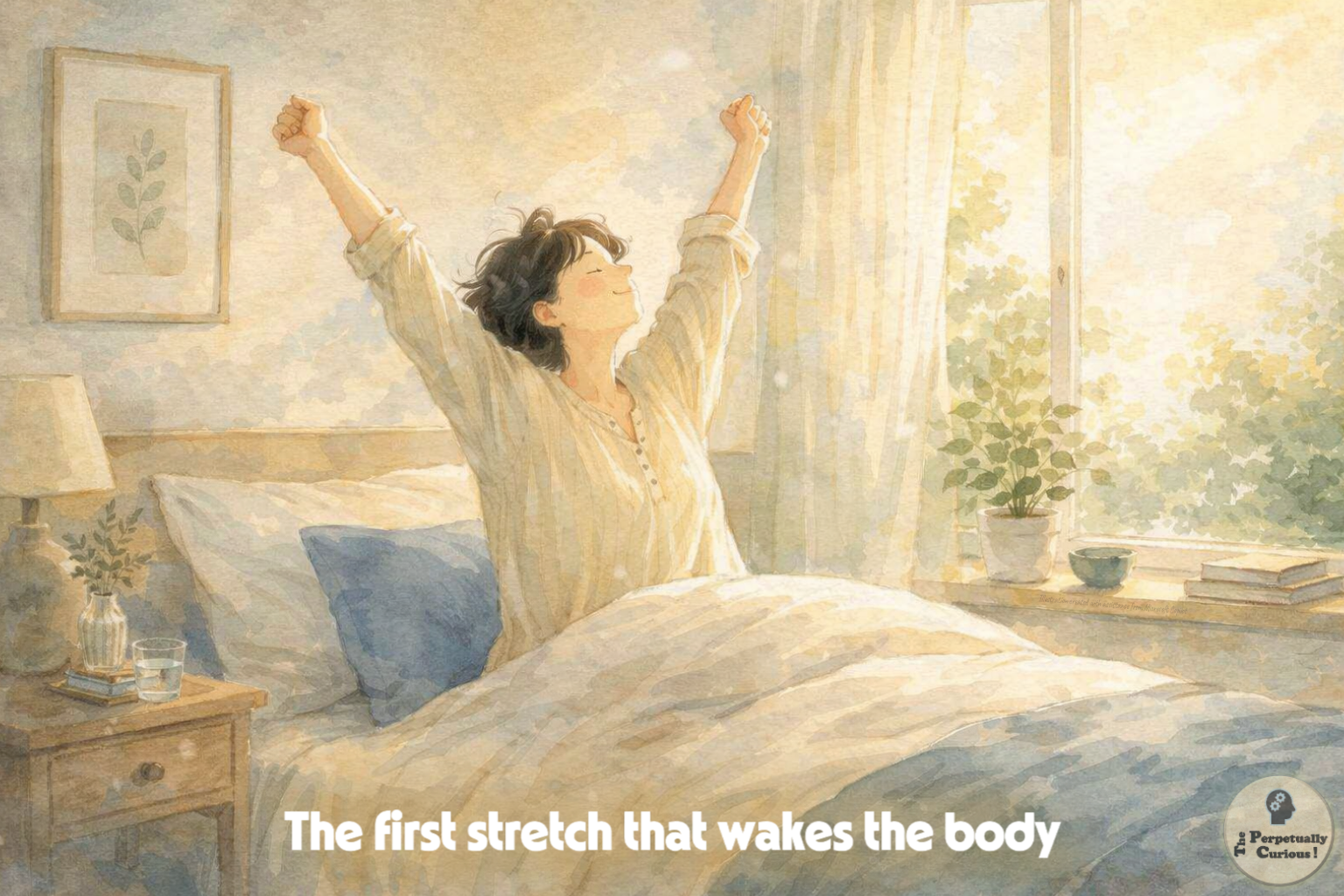
🌅 Pandiculation: How the Waking Stretch Restores Body Awareness
From section: A movement that sends information inwardThe larger main-site treatment carries the reflex into circadian timing, early development, animal behavior, and cultural language; those surrounding layers reveal how widely this small gesture is woven through biology and experience.
- The Perpetually Curious! › Archives › Biology & HealthArticle
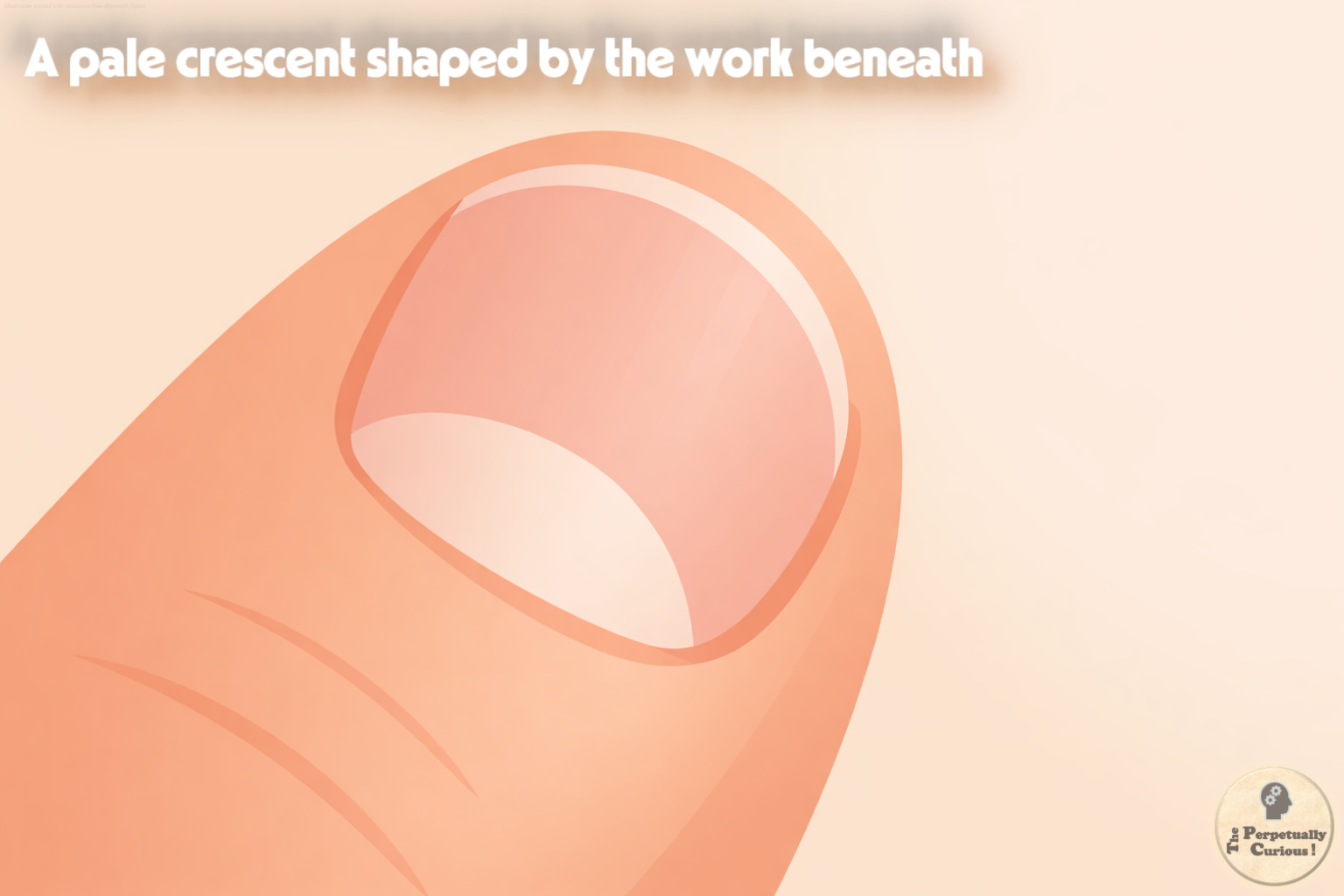
🌙 White Half Moon on Nails: The Quiet Growth Zone Beneath
From section: The crescent begins in the matrixThe crescent shape also comes from structure.
- The Perpetually Curious! › Archives › Biology & HealthArticle
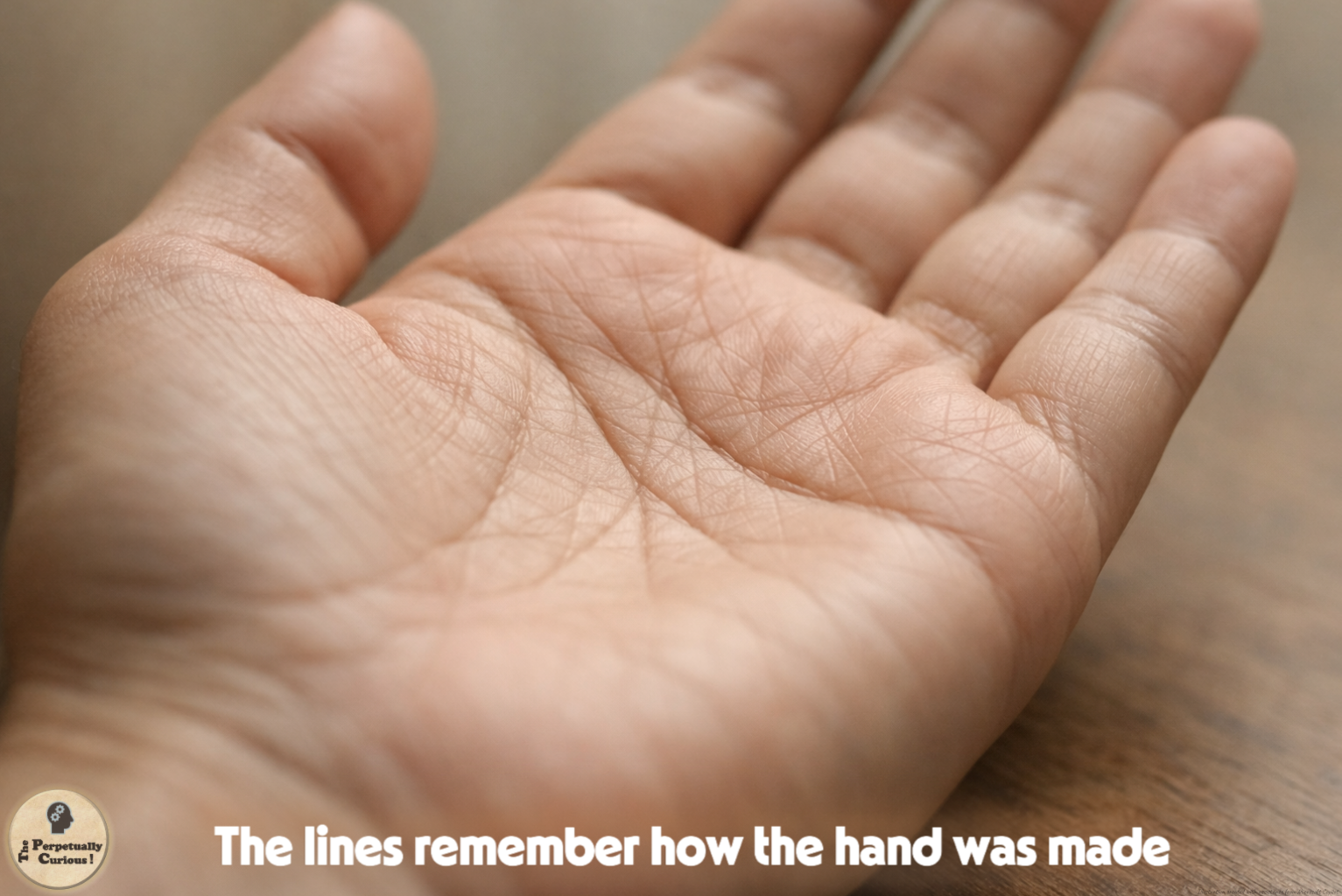
✋ Palm Lines Explained: The Quiet Folds That Help the Hand Move
From section: Where biology and meaning separateThat contrast makes the palm a useful place to think about the relationship between structure and story.