Explore by topic, question, or idea. Find articles, reflections, videos, puzzles, and curiosity pathways gathered across the site.
Press Enter or select Search. A newly typed query starts globally; filters are applied only through the visible rail.
26 results for “the second brain speaks first when parkinson disease begins in your belly”
- The Perpetually Curious! › Canonical › Planet EarthArticle
🌫️ Mist Over Ancient Ridges: The Great Smoky Mountains as a Living, Breathing World
… These mountains invite curiosity not only through their beauty, but also through their remarkable age, ecological richness, and cultural depth. To understand the Smokies is to follow a story that begins in deep time and continues through forests, streams, and human histories that have shaped the region for generations.
- The Perpetually Curious! › Canonical › Planet EarthArticle
🌊 Where the Waves Leave Their Footprints: Why Beaches Carry Sand
From section: ⛰️ The Birth of SandMuch beach sand begins its life as part of a larger rock. Mountains, cliffs, and ancient bedrock slowly break down through the combined effects of mechanical and chemical weathering. …
- The Perpetually Curious! › Canonical › Planet EarthArticle
🌏 When the Pacific Breathes Warm: El Niño and the Changing Rhythms of Rain
How can a change in the tropical Pacific alter the prospects of rain thousands of miles away? El Niño begins when unusually warm surface waters spread across the central and eastern equatorial Pacific and the ocean and atmosphere reorganize together.
- The Perpetually Curious! › Canonical › Planet EarthArticle
🌍🌑 Where Two Soils Part Ways: Earth, Moon, and the Stories Written in Dust
Soil on Earth and soil on the Moon appear, at first glance, to be simple surfaces beneath our feet or beneath a distant sky. One is familiar, often damp, and threaded with roots. The other is pale, powdery, and silent, seen mostly through photographs and the memories of a few explorers.
- The Perpetually Curious! › Canonical › Planet EarthArticle
🌊 Where the Salt Stays: Why the Ocean Is Salty but Rivers and Most Lakes Are Fresh
From section: 💧 Most freshwater lakes have somewhere for water to go… Yet effective surface or groundwater outflow gives dissolved ions a way to leave. Remove or greatly weaken those exits, especially where evaporation is high, and the chemistry begins to change.
- The Perpetually Curious! › Canonical › Planet EarthArticle
🌊 How Nor’easters Form: When the Coast Becomes a Storm Engine
From section: 🕰️ What a long-lived storm revealsThe coastline has a longer clock as well. The level from which storm-driven water begins is itself changing in many places.
- The Perpetually Curious! › Canonical › Planet EarthArticle
🌐 How SONAR Uses Sound to Map the Hidden Ocean Depths
From section: Frequently Asked Questions+How fast does sound travel in seawater? In typical ocean conditions, sound travels at about 4,900 feet per second (about 1,500 meters per second). This value can vary with temperature, salinity, and depth.
- The Perpetually Curious! › Archives › Planet EarthArticle
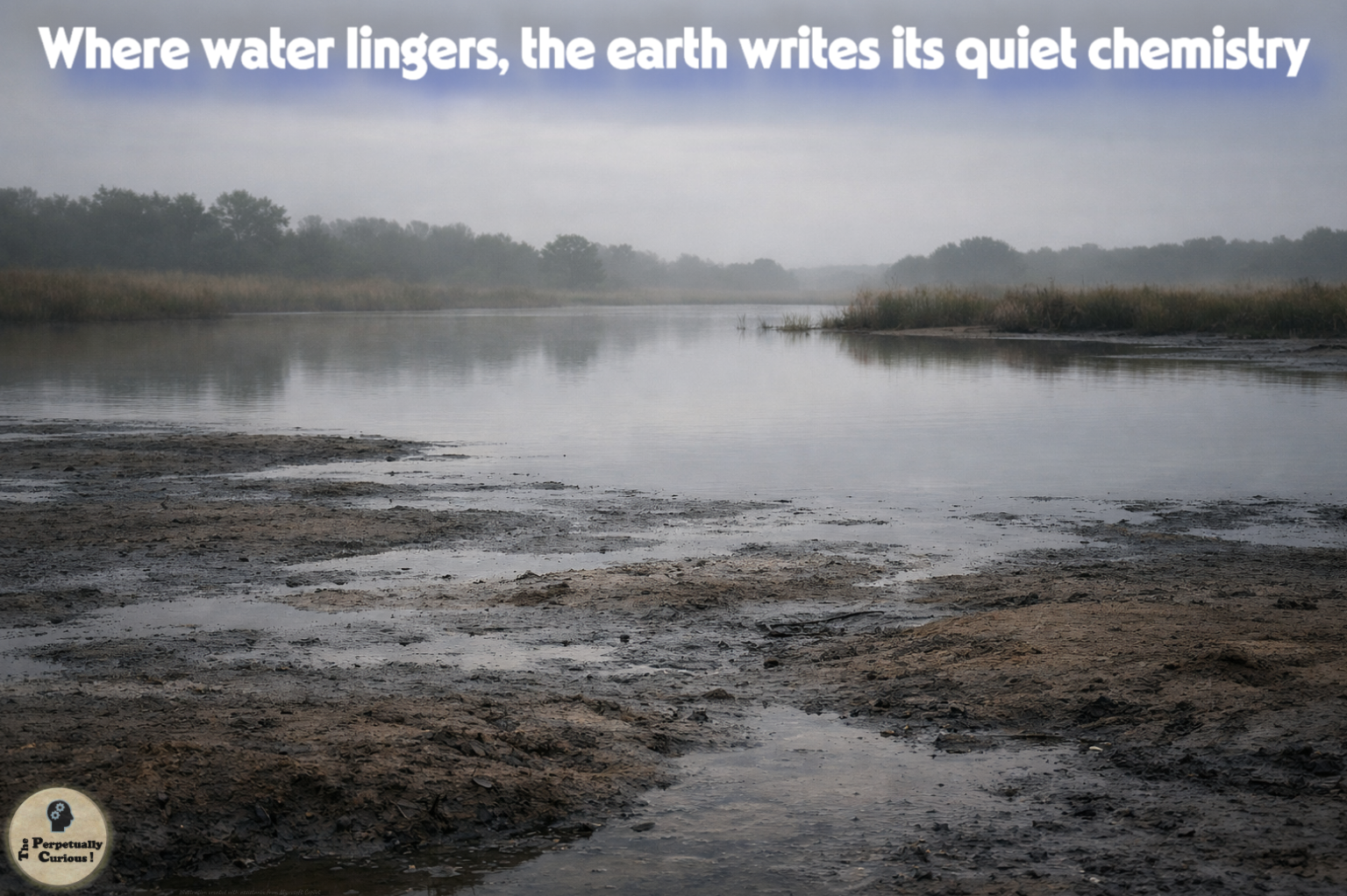
🌍 Why Mud Is Brown or Black: What Wet Soil Reveals
The first layer is simple: mud begins when soil holds more water than it can drain.
- The Perpetually Curious! › Archives › Planet EarthArticle
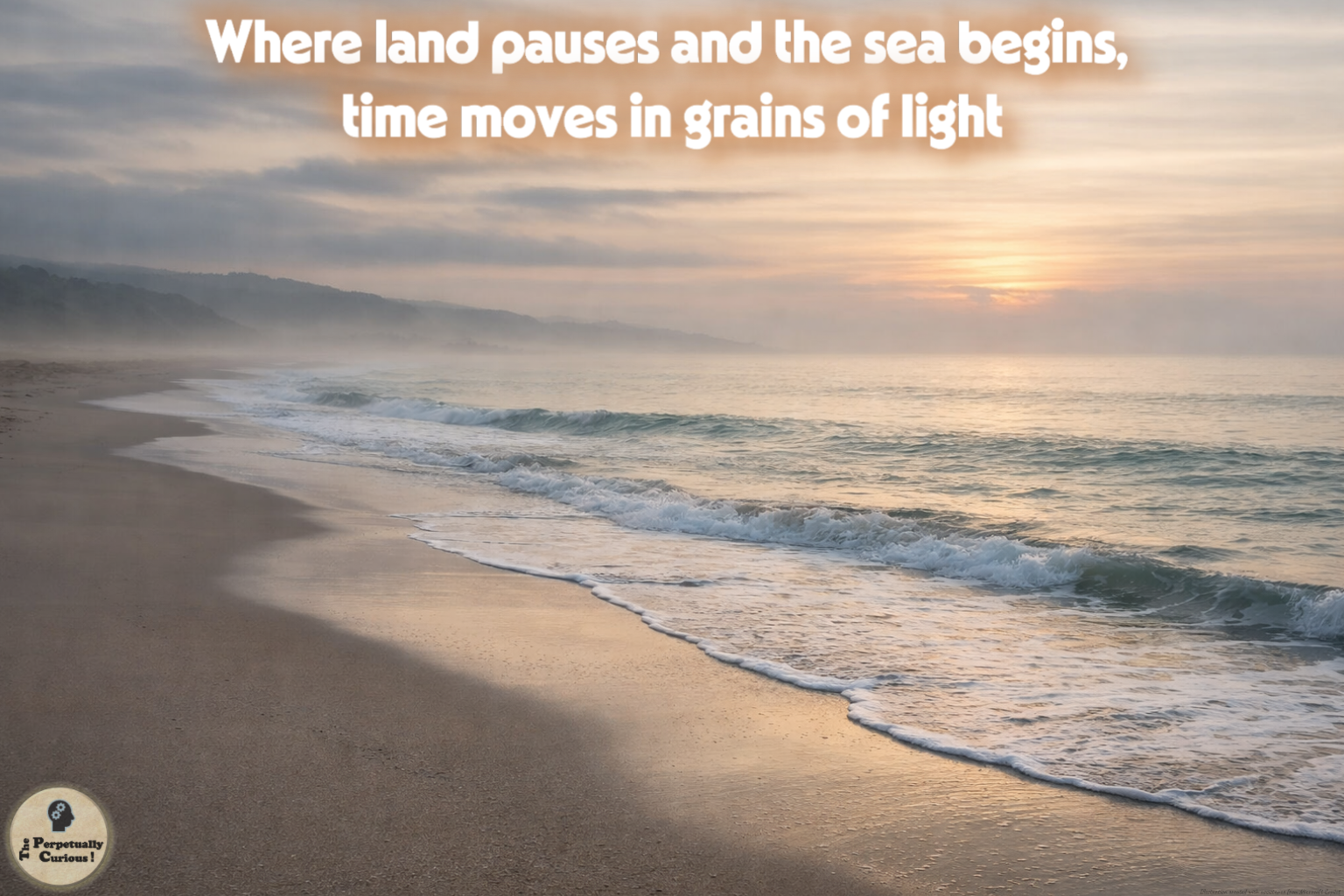
🌊 Why Beaches Have Sand
Beaches often appear simple at first glance. They seem like a narrow place where land and water meet. Yet the presence of sand along so many coastlines is the result of long journeys, slow transformations, and the combined work of rivers, weather, and waves.
- The Perpetually Curious! › Archives › Planet EarthArticle
❄️ Antarctica: Southernmost Continent’s Frozen Symphony of Silence and Light
From section: Where Silence Breathes and Light Dances: Antarctica's Living SymphonyAntarctica is a haunting symphony of nature, where silence speaks, light sculpts, and resilience endures.