Explore by topic, question, or idea. Find articles, reflections, videos, puzzles, and curiosity pathways gathered across the site.
Press Enter or select Search. A newly typed query starts globally; filters are applied only through the visible rail.
14 results for “from plant fibers to human memory”
- The Perpetually Curious! › Canonical › Engineering & TechnologyArticle
📄 How Paper Is Made: From Plant Fibers to Human Memory
From section: 📖 A surface for human memoryThe sheet that began as a space waiting for a mark now carries two histories: the material history of its fibers and the human history of the words. Behind the handwriting remain the choices about strength, water, light, and time that made the page possible.
- The Perpetually Curious! › Archives › Engineering & TechnologyArticle
The Secret Life of Paper: From Forest Time to Human Memory 📜
From section: The Ancient Dance of Molecules 🌳The word itself carries ancient memory, descended from "papyrus," the Egyptian reed that gave humanity its first writing surface three millennia ago.
- The Perpetually Curious! › Canonical › Engineering & TechnologyArticle
🖋️ Printing Ink: The Science and Living History Behind the Printed Page
From section: 🌈 A material of quiet wonder… The practice of ink involves presses, papers, and coatings. The experience of ink involves reading, recognition, and memory. When these layers come together, ink becomes more than a technical product. …
- The Perpetually Curious! › Canonical › Engineering & TechnologyArticle
🚂 Echoes of Steam, Currents of Steel: Train Engines and the Rise of High-Speed Motion
A line of motion becomes a quiet thread through the world, carrying the memory of steam, steel, and light.Every guided path holds a trace of human intention, shaped by landscapes, materials, and the patience of engineering.In the stillness between departures, the long story of travel continues, moving forward in …
- The Perpetually Curious! › Canonical › Engineering & TechnologyArticle
🧪 The Making of Toothpaste: The Subtle Science Behind a Daily Ritual
From section: 📜 How early powders gradually became the pastes we know todayEvidence commonly cited in historical overviews places early Egyptian tooth‑cleaning powders around 3000–5000 BCE, and early dentifrices in several ancient cultures were dry powders made from crushed minerals, charcoals, or plant materials.
- The Perpetually Curious! › Archives › Engineering & TechnologyArticle
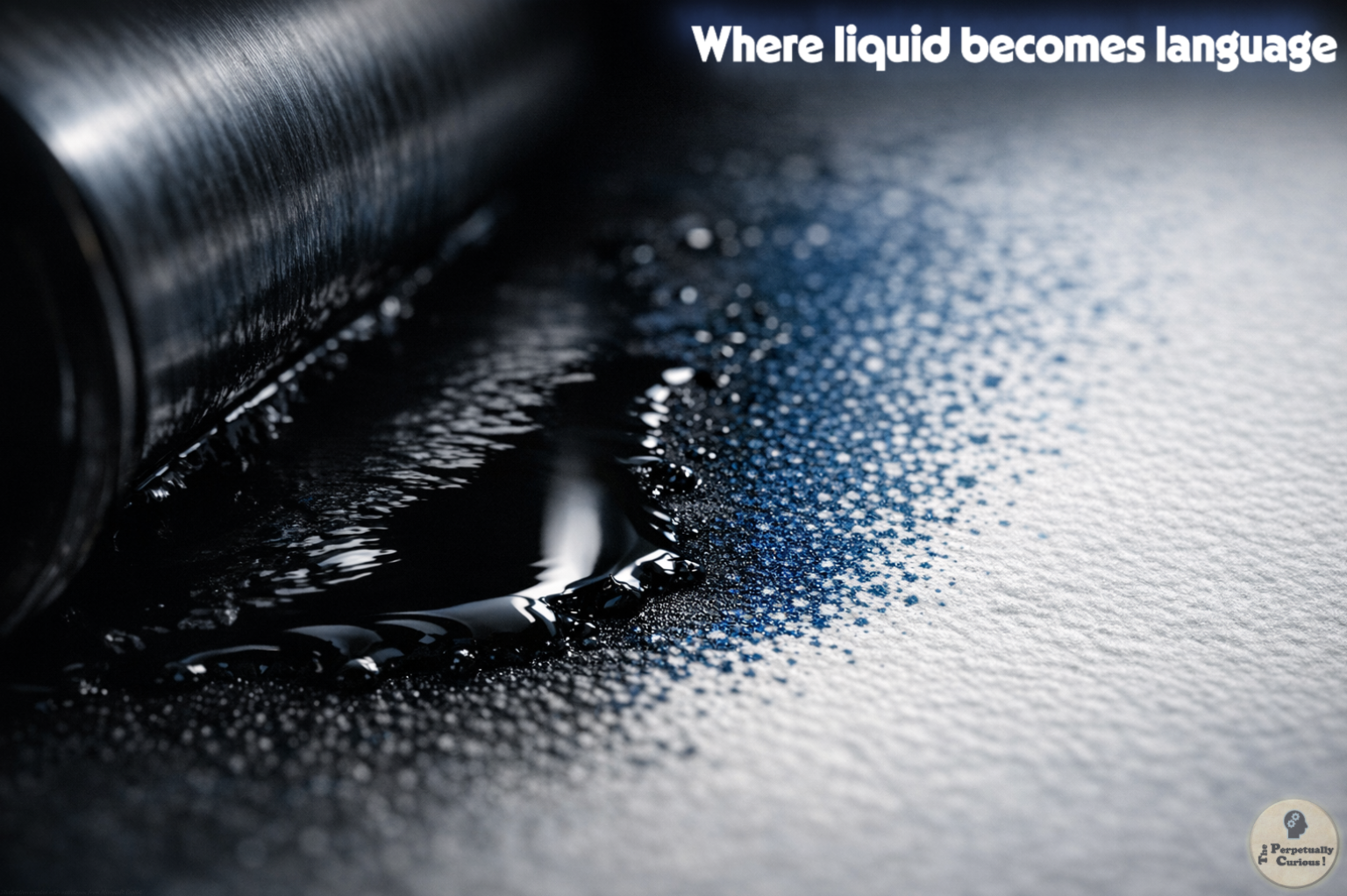
🖋️ Printing Ink: What Happens When a Wet Drop Meets Paper
Freshly printed letters look complete almost as soon as they appear. At the microscopic scale, however, the mark is still becoming itself. A thin liquid film has just struck a surface made of fibers, pores, coatings, and air spaces.
- The Perpetually Curious! › Archives › Engineering & TechnologyArticle
🌬️ The Eternal Spin: How Wind Turbines Transform Ancient Wisdom into Modern Power
Wind begins with the sun. Uneven solar heating creates pressure differences as warm air rises and cool air rushes to fill the void. This planetary breathing, driven by Earth's rotation and geographic features, creates the rivers of air that have powered human ambition for millennia.
- The Perpetually Curious! › Canonical › Engineering & TechnologyArticle
🏭 Petroleum Refining: The Process Behind Heat, Pressure, and Design
Towers rise, pipes weave, and heat flows through steel corridors, guiding molecules through a landscape shaped by human curiosity and engineering discipline.
- The Perpetually Curious! › Canonical › Engineering & TechnologyArticle
🧪 The Quiet Alchemy of Pencil Making: How an Everyday Tool Comes into Being
As we move from raw materials to finished object, the pencil reveals itself as a meeting point of geology, forestry, chemistry, and engineering. The goal is to illuminate this process with clarity and accuracy, while preserving a sense of wonder for an object that has accompanied human creativity for generations.
- The Perpetually Curious! › Canonical › Engineering & TechnologyArticle
🌬️ The Turning Wind: How Wind Turbines Generate Electricity
From section: Frequently Asked Questions+… The generator can use the same principle of electromagnetic induction. In a hydroelectric plant, flowing water turns the turbine instead of air turning the blades. The story of hydroelectric power at Niagara Falls shows how water is shared between power generation and the falls themselves.