Explore by topic, question, or idea. Find articles, reflections, videos, puzzles, and curiosity pathways gathered across the site.
Press Enter or select Search. A newly typed query starts globally; filters are applied only through the visible rail.
21 results for “how rain forms”
- The Perpetually Curious! › Canonical › Planet EarthArticle
🌍🌑 Where Two Soils Part Ways: Earth, Moon, and the Stories Written in Dust
From section: 🌾 How Earth Builds Soil Through Water, Air, and LifeEarth soil forms through a combination of physical, chemical, and biological processes that act over thousands to millions of years. Bedrock and sediments break down through freeze–thaw cycles, abrasion, and chemical reactions with water. …
- The Perpetually Curious! › Canonical › Planet EarthArticle
🌊 Where the Waves Leave Their Footprints: Why Beaches Carry Sand
From section: ⚖️ Why Sand Stays While Other Sediments Drift AwayThis distinction between sand and mud is not only a matter of size but also a reflection of the environment in which each material forms. Beaches are shaped by more active movement, while mudflats and marshes often form where water is calmer.
- The Perpetually Curious! › Archives › Planet EarthArticle
🌊 The Great Lakes: North America's Temporary Inland Seas
Picture yourself holding a glass of water in Chicago. That water contains a mixture of ages, with some molecules that fell as rain just years ago and others that have circulated through Lake Superior for nearly two centuries.
- The Perpetually Curious! › Canonical › Planet EarthArticle
🌌 Sky in Slow Layers: Understanding Earth’s Atmospheric Structure
From section: Did You Know🌃 Even on nights without auroras, Earth’s upper atmosphere produces a faint natural glow known as airglow. It forms when atoms and molecules release energy after sunlight-driven excitation or through chemical reactions. …
- The Perpetually Curious! › Canonical › Planet EarthArticle
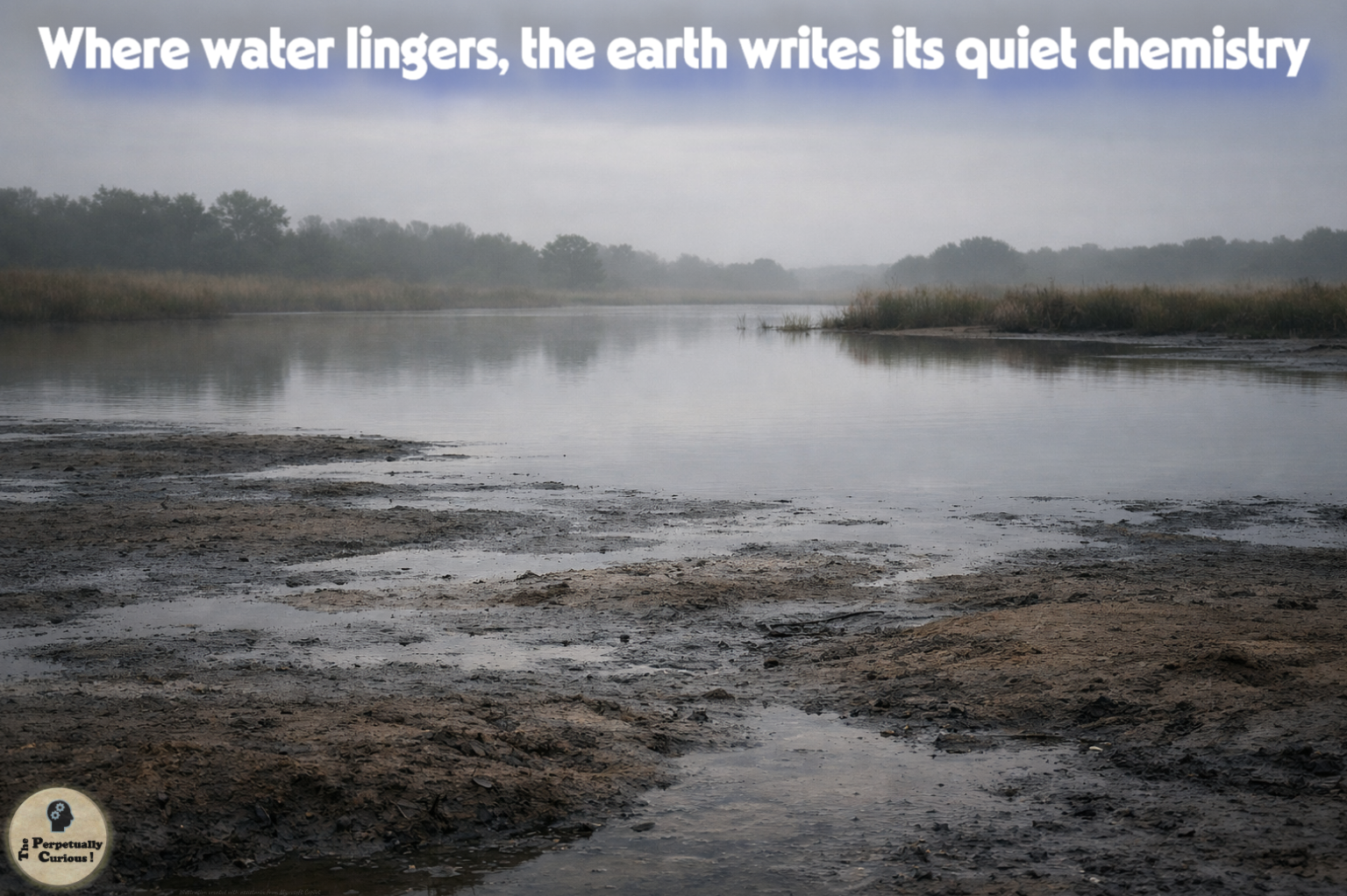
🌍 Why Mud Is Brown or Black: Where Earth Turns to Quiet Ink
From section: 🌍 When soil becomes waterlogged, it turns into mudMud begins as soil that has taken on more water than it can easily drain. In a field after rain, in a rice paddy, or along a tidal flat, the pores between grains fill with water and air is displaced. …
- The Perpetually Curious! › Archives › Planet EarthArticle
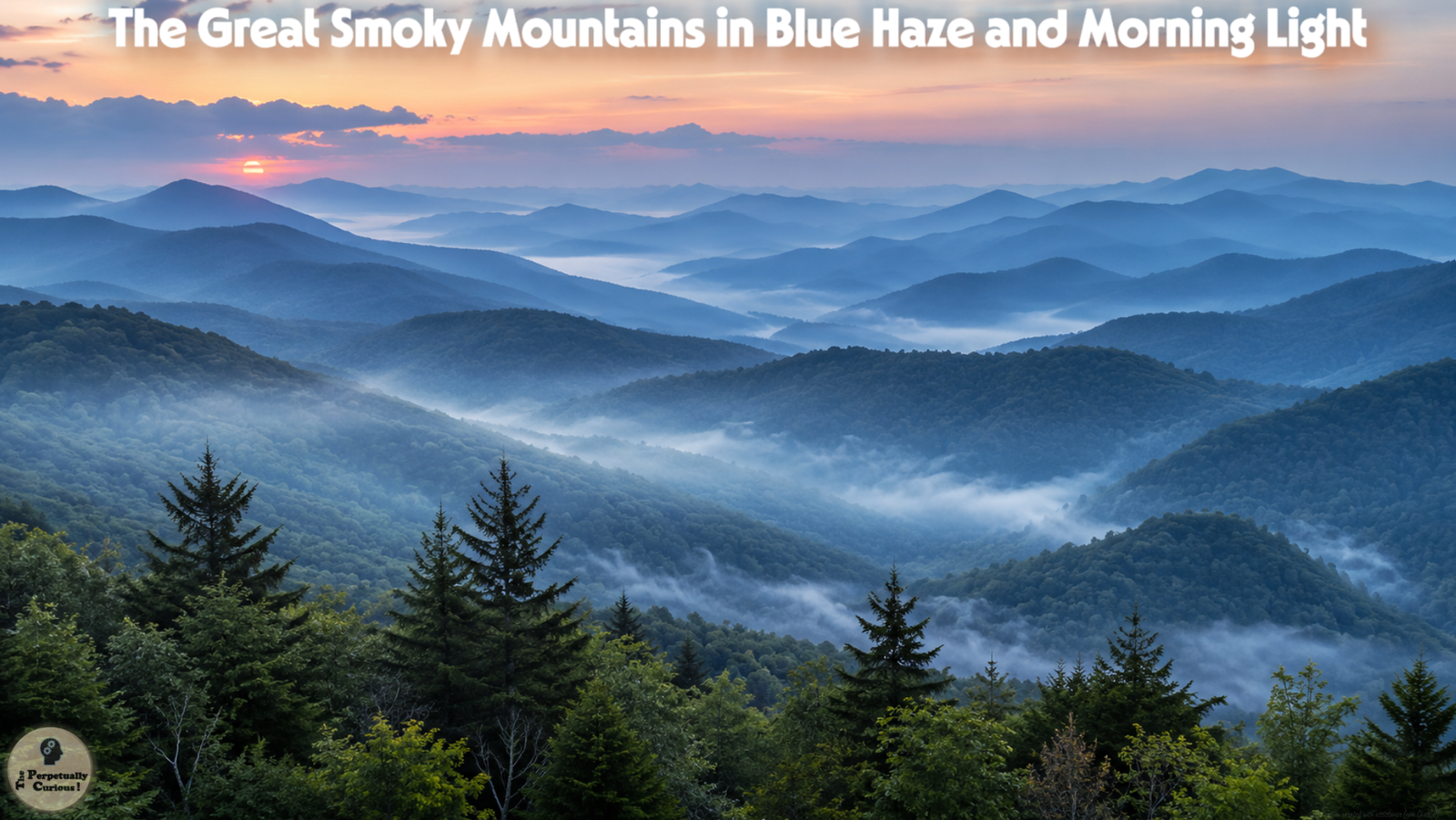
🌫️ Why the Great Smoky Mountains Fade into Blue Haze
From section: The forest helps make the hazeThe atmosphere can therefore hold several forms of softness at once.
- The Perpetually Curious! › Archives › Planet EarthArticle
🌍 Why Mud Is Brown or Black: What Wet Soil Reveals
From section: What wet ground does to colorIron in these settings often forms oxidized minerals, including familiar iron oxides that produce reddish, yellowish, or brown tones.
- The Perpetually Curious! › Canonical › Planet EarthArticle
🌫️ Mist Over Ancient Ridges: The Great Smoky Mountains as a Living, Breathing World
The ridges fade into blue distance, carrying the memory of ancient seas and shifting seasons. The forests breathe in quiet rhythms shaped by rain, stone, and time. In the hush between valleys and sky, the Smokies continue their slow unfolding.
- The Perpetually Curious! › Canonical › Planet EarthArticle
🌇 When the Sky Becomes a Painting: Why Clouds Glow Red and Orange at Sunset on Earth
From section: 💡 Did You Know🌧 Storms can produce unusually vivid sunsets because rain removes larger particles from the air, allowing finer aerosols to enhance red and orange light.
- The Perpetually Curious! › Canonical › Planet EarthArticle
🌐 How SONAR Uses Sound to Map the Hidden Ocean Depths
From section: 🌊 What SONAR is and why it mattersSONAR usually appears in two forms. Active SONAR sends sound into the water and listens for the returning echo. …