Explore by topic, question, or idea. Find articles, reflections, videos, puzzles, and curiosity pathways gathered across the site.
Press Enter or select Search. A newly typed query starts globally; filters are applied only through the visible rail.
8 results for “liquid trees”
- The Perpetually Curious! › Canonical › Engineering & TechnologyArticle
🧪 The Quiet Alchemy of Pencil Making: How an Everyday Tool Comes into Being
From section: 🌍 Gathering the materials that will become a pencilA reader who is interested in how other forest-based materials are transformed into everyday tools may appreciate a deeper look at the journey of paper, since both pencils and paper begin in the quiet work of trees and continue through careful industrial shaping.
- The Perpetually Curious! › Canonical › Engineering & TechnologyArticle
🏭 Petroleum Refining: The Process Behind Heat, Pressure, and Design
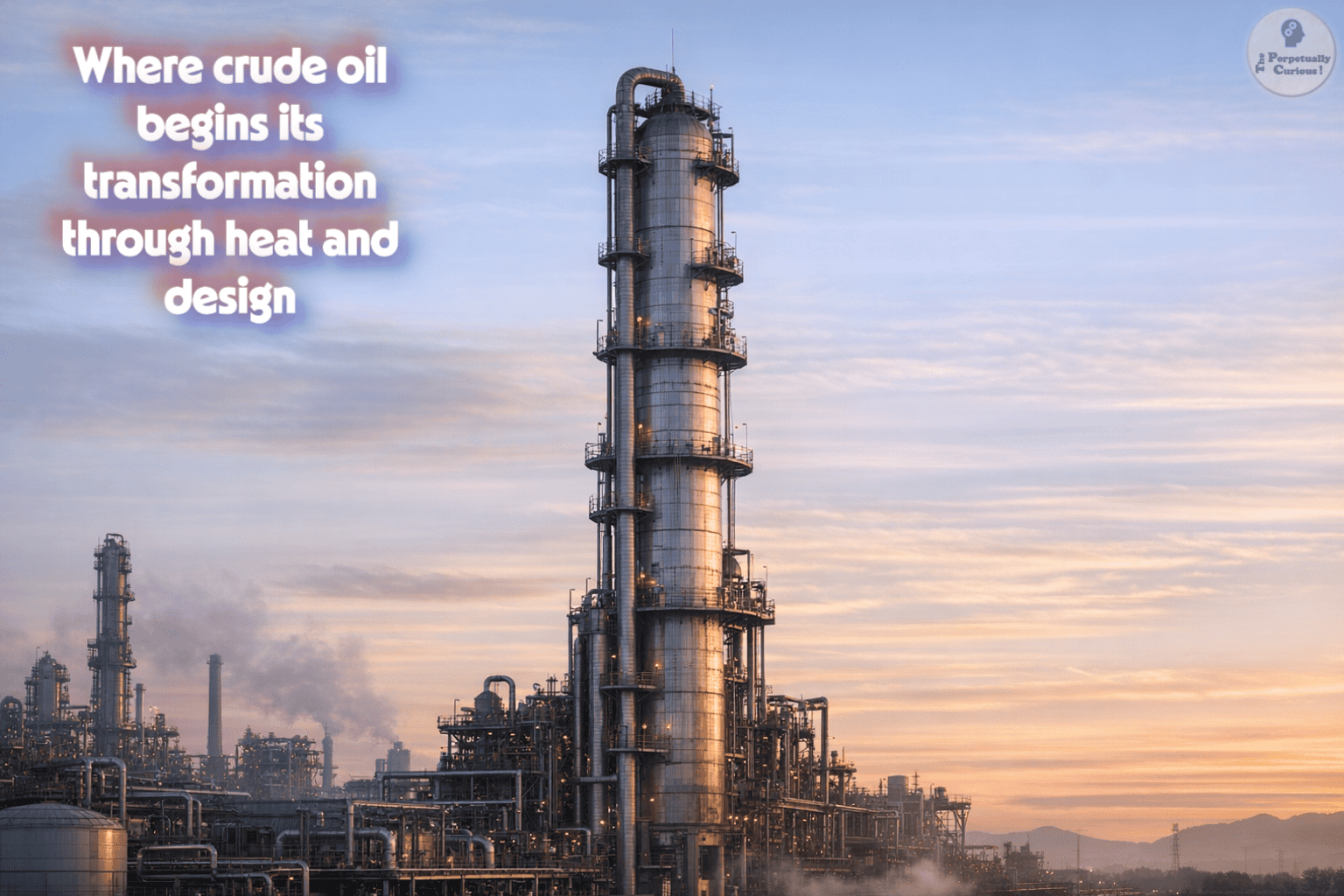
There is a quiet elegance in the way crude oil begins its transformation. It arrives as a dark, ancient liquid shaped by geological time, yet it enters the refinery as a material waiting to be understood.
- The Perpetually Curious! › Archives › Engineering & TechnologyArticle
🖋️ Printing Ink: What Happens When a Wet Drop Meets Paper
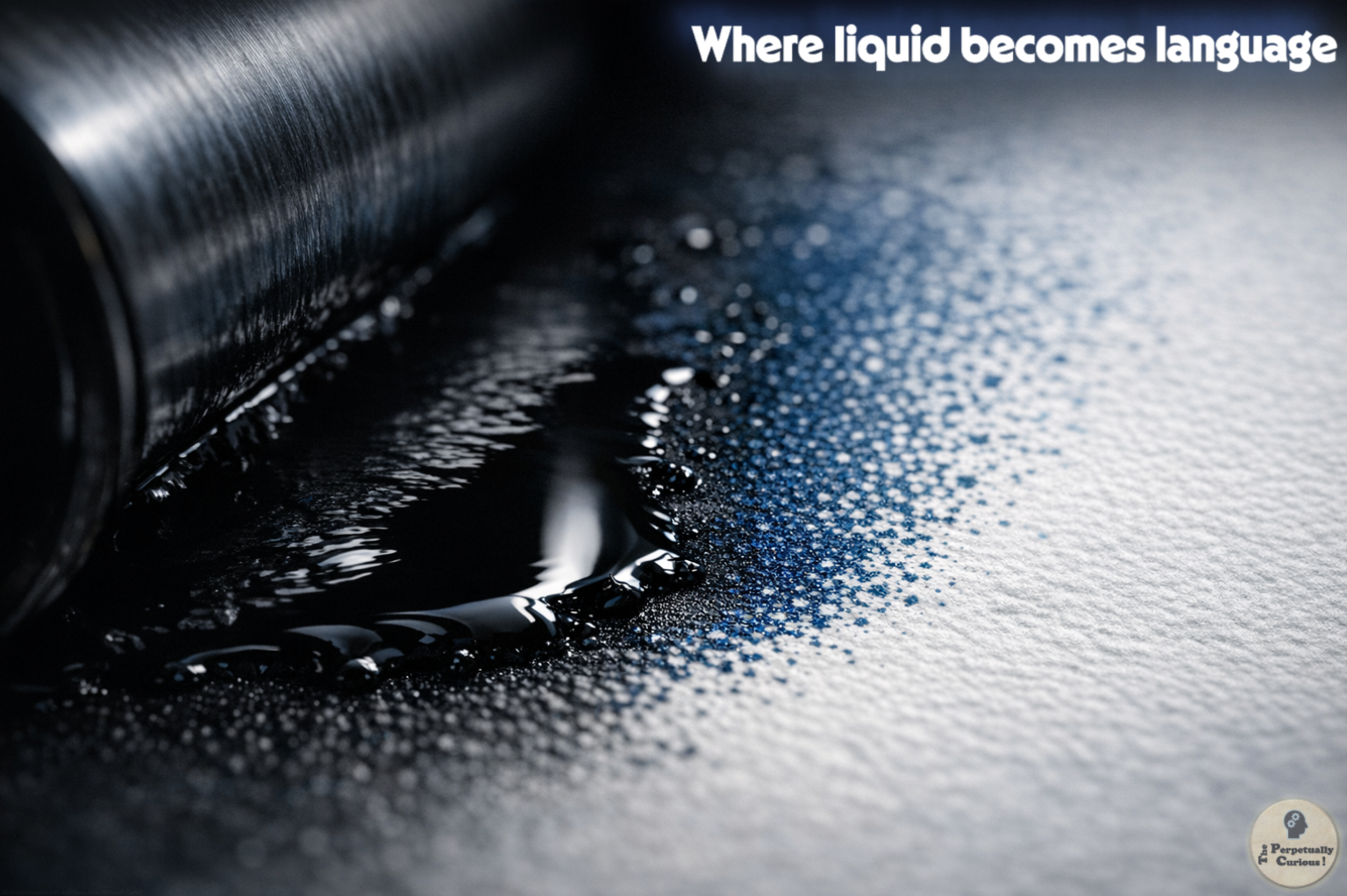
Freshly printed letters look complete almost as soon as they appear. At the microscopic scale, however, the mark is still becoming itself. A thin liquid film has just struck a surface made of fibers, pores, coatings, and air spaces.
- The Perpetually Curious! › Canonical › Engineering & TechnologyArticle
🧪 The Making of Toothpaste: The Subtle Science Behind a Daily Ritual
From section: ⚙️ How manufacturing begins with a liquid base that sets the stageThe order in which these ingredients are combined matters as much as the ingredients themselves, and manufacturing begins not with powders but with the liquid base that will carry them. …
- The Perpetually Curious! › Canonical › Engineering & TechnologyArticle
🖋️ Printing Ink: The Science and Living History Behind the Printed Page
From section: 🎨 What ink is made of: The foundation of color and formColorants are either pigments or dyes. Pigments are solid particles that remain suspended in the liquid. Their particle sizes often range from roughly 100 nanometers to about 1 micrometer, and their surfaces may be treated with dispersants to prevent agglomeration. Because pigments do not dissolve, they often resist…
- The Perpetually Curious! › Canonical › Engineering & TechnologyArticle
🚆 Quiet Power on the Rails: Understanding Hydrogen Trains and Their Emerging Role
From section: 💡 Did You Know?💧 Most of the water mass comes from the surrounding air A fuel cell combines onboard hydrogen with oxygen drawn from the air. Through this reaction, 1 kilogram of hydrogen can form about 9 kilograms of water, which may leave the system as liquid water or vapor depending on the train’s design and operating conditions.
- The Perpetually Curious! › Archives › Engineering & TechnologyArticle
🚂 Train Engines: How Steam, Diesel, and Electricity Reach the Wheels
From section: ⚙️ Diesel changes the chain without abandoning electricityThe change is deeper than replacing coal with liquid fuel.
- The Perpetually Curious! › Archives › Engineering & TechnologyArticle
🏭 Petroleum Refining: How Crude Oil Begins to Transform
Petroleum refining begins with a deceptively simple challenge: crude oil is not one substance. It is a dense mixture of hydrocarbons, trace elements, salts, and fine materials that arrived from geological history with no concern for human categories. A refinery must first make that mixture readable.