Explore by topic, question, or idea. Find articles, reflections, videos, puzzles, and curiosity pathways gathered across the site.
Press Enter or select Search. A newly typed query starts globally; filters are applied only through the visible rail.
21 results for “space”
- The Perpetually Curious! › Canonical › Cosmic ExplorationArticle
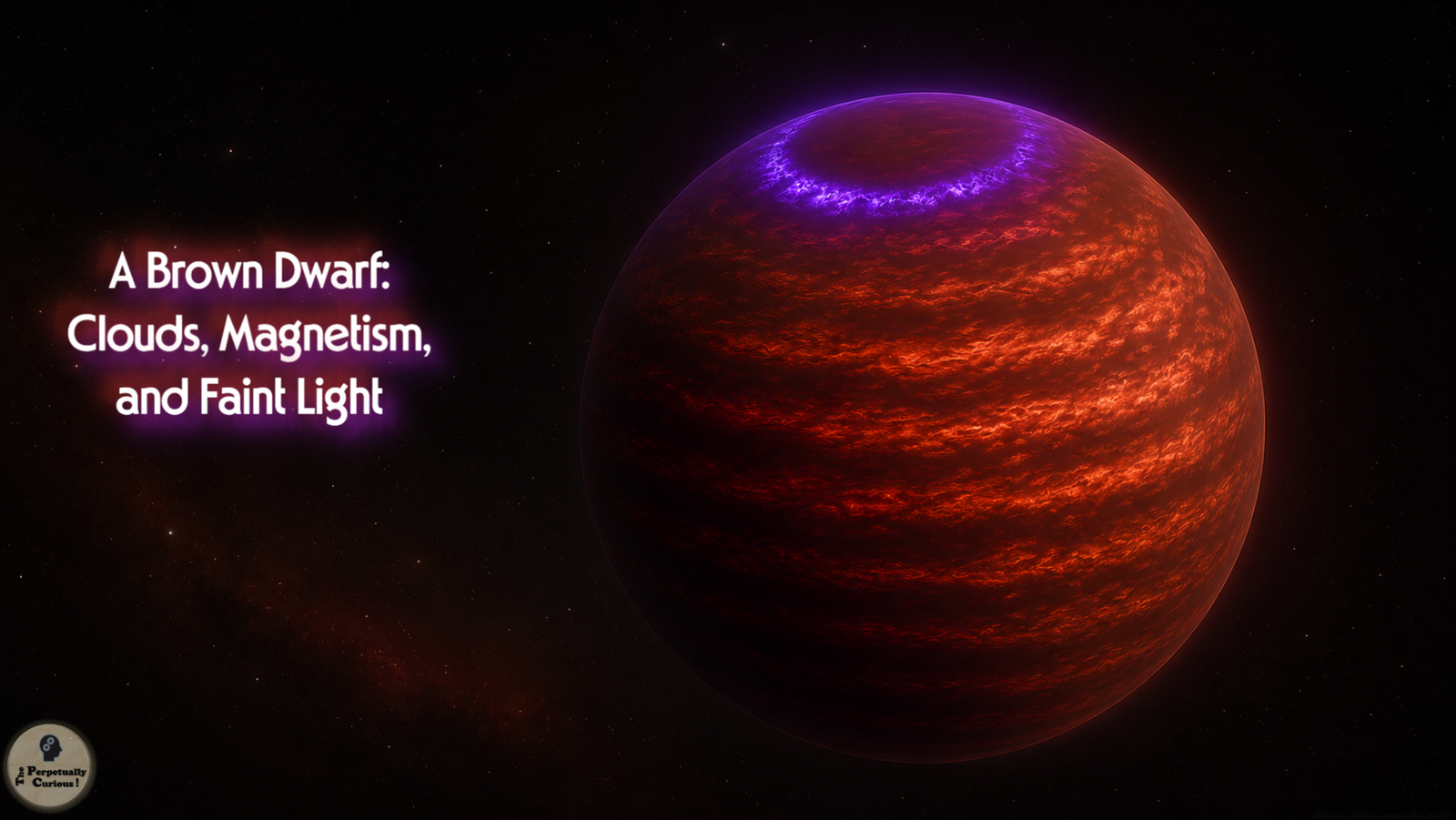
🌟 Brown Dwarfs: Between Giant Planets and the Smallest Stars
From section: ⚡ Brief nuclear momentsOnce these limited nuclear reactions end, no enduring fuel source replaces the energy radiated into space. Brown dwarfs then continue along their defining path of gradual cooling. …
- The Perpetually Curious! › Canonical › Cosmic ExplorationArticle
🌌 The Hunt for the Invisible: Understanding Dark Matter Through Science’s Greatest Detective Story
In the quiet architecture of the cosmos, unseen matter shapes the paths of galaxies and the stories they tell.Its presence is felt in every curve of starlight, a patient influence woven through the structure of space.We stand within this vast design, aware of only a fraction of what holds the universe together.
- The Perpetually Curious! › Canonical › Cosmic ExplorationArticle
The Cosmic Recipe: Understanding the Physical Criteria for Star Formation 🌟
From section: 🌠 Share the cosmic wonderWe invite you to share this stellar journey with space enthusiasts, students, and curious minds. A deeper understanding of how stars form can change the way a familiar night sky is seen, turning each point of light into the visible outcome of a long and intricate physical transformation.
- The Perpetually Curious! › Canonical › Cosmic ExplorationArticle
🌍 When Earth First Took Shape: A Planet Born from Cosmic Dust
From section: 🌋 Fire within: Differentiation and the shaping of Earth’s interiorThe next major chapter follows from this restless beginning. Earth had grown large enough to reorganize itself from within, but it still moved through a crowded young Solar System. Another large body, traveling through the same region of space, would collide with proto-Earth and change the planet’s future.
- The Perpetually Curious! › Canonical › Cosmic ExplorationArticle
🌙 Quiet Worlds, Vast Stories: Some Lesser-Known Moons of Our Solar System
From section: 🌊 Enceladus: The small moon that breathes ice… Despite its modest size, it has become one of the most scientifically important moons in the solar system. Its south polar region hosts long fractures, often called tiger stripes, from which plumes of water vapor and ice particles erupt into space.
- The Perpetually Curious! › Canonical › Cosmic ExplorationArticle
🌑 Shadows Across the Solar System: How Eclipses Unfold Beyond Earth
From section: 🌞 Solar eclipses across the Solar SystemMany of the most detailed eclipse observations come from modern space telescopes, which reveal shadow patterns invisible from Earth.
- The Perpetually Curious! › Canonical › Cosmic ExplorationArticle
🌍 When Worlds Pull: Gravity Across the Planets and What It Reveals About Them
From section: 🌱 How gravity shapes worlds… These effects do not act alone. Temperature, atmospheric composition, radiation, geological activity, material strength, and a planet’s broader space environment all help determine what a world ultimately becomes.
- The Perpetually Curious! › Canonical › Cosmic ExplorationArticle
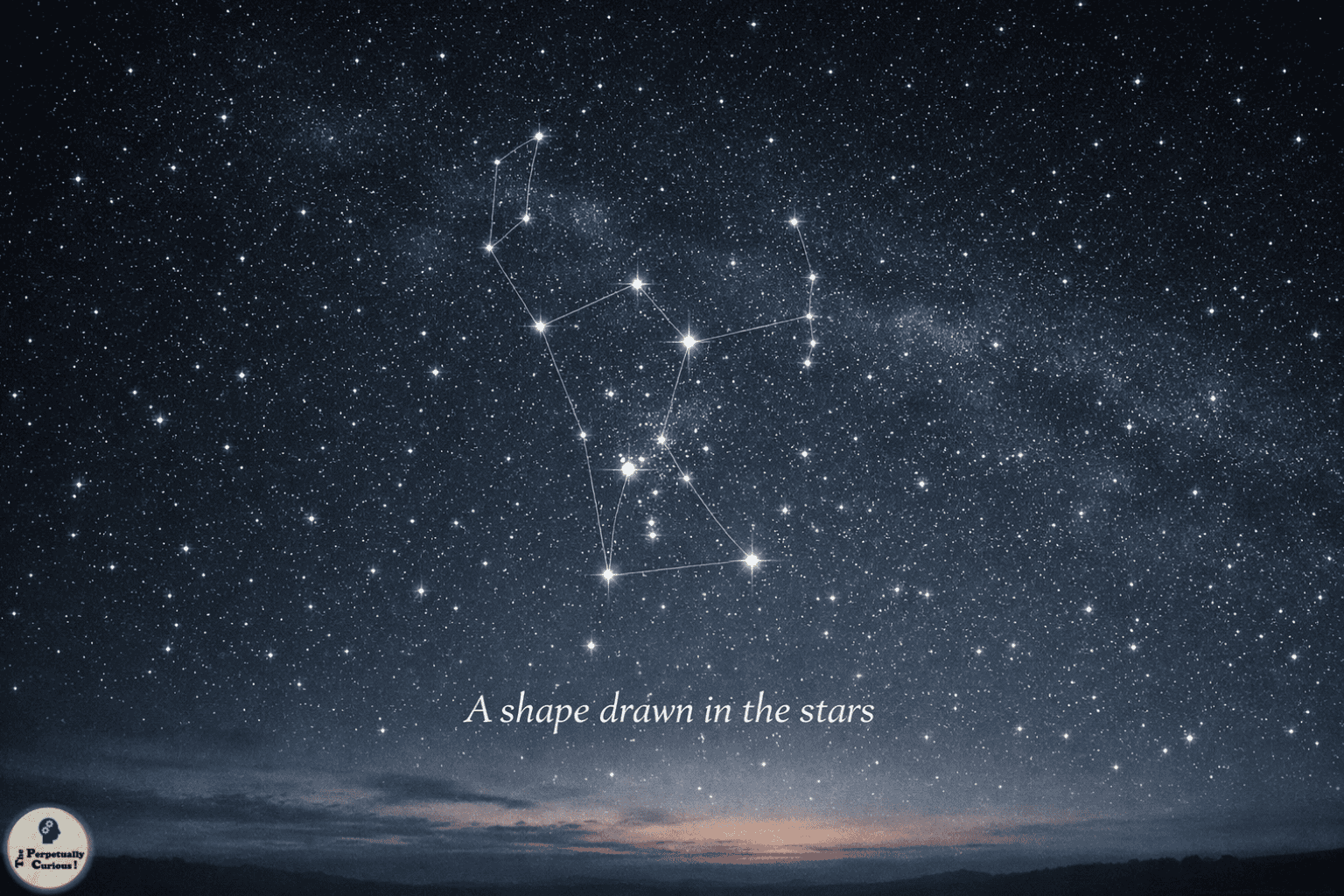
✨ Constellations: Quiet Patterns, Shared Skies, and the Stories We Trace Together
From section: Frequently Asked Questions+Do stars within constellations move over time? Yes. Stars drift through space, and their positions change slowly. Nearby stars such as Barnard’s Star shift noticeably over centuries, and bright stars such as Arcturus also move across the sky over long spans of time.
- The Perpetually Curious! › Archives › Cosmic ExplorationArticle
🌟 Brown Dwarfs: Why Stellar Ignition Never Takes Hold
From section: 🔥 When contraction almost makes a starNuclear reactions must release energy consistently enough to offset what the object radiates into space.
- The Perpetually Curious! › Archives › Cosmic ExplorationArticle
🌌 Constellations: How Star Patterns Help Us Find Our Way
From section: When scattered stars become a mapThat neighboring question of why the sky can appear dark while the universe is filled with light is followed in why space looks dark, where the focus shifts from remembered patterns to visibility itself.