Explore by topic, question, or idea. Find articles, reflections, videos, puzzles, and curiosity pathways gathered across the site.
Press Enter or select Search. A newly typed query starts globally; filters are applied only through the visible rail.
20 results for “when leaves let go why autumn colors turn red gold and brown”
- The Perpetually Curious! › Canonical › Biology & HealthArticle
🟤 Small Islands in the Skin: Why Moles Form and Why Most Stop Growing
From section: 🎨 Every mole carries a slightly different historyPigment adds another layer. A mole does not have to be dark brown to be a melanocytic nevus. Its apparent color reflects the amount and distribution of melanin, the depth and arrangement of nevus cells, and the pigmentation of surrounding skin.
- The Perpetually Curious! › Canonical › Biology & HealthArticle
🌫️ Why We Get Hiccups: The Reflex Beneath Every Small “Hic”
From section: ⏱️ When hiccups linger: persistence and underlying conditions… Short bouts often fade once a temporary trigger settles, while longer episodes suggest that the reflex pathway is being repeatedly stimulated or unusually sustained. With the main narrative complete, the article can now turn to a few concise curiosities that extend the discussion.
- The Perpetually Curious! › Canonical › Biology & HealthArticle
🌫️ When the World Blurs for a Moment: Why We Sneeze
From section: 🌌 A brief reflection on a fleeting reflex… It is a reminder that the body is constantly listening to the world and responding in ways that often go unnoticed until they interrupt our routine.
- The Perpetually Curious! › Canonical › Biology & HealthArticle
🌡️ When the Skin Remembers the Cold: Why We Get Goosebumps
From section: 🎶 Music, Stories, and the Chills of AweMany people notice that goosebumps appear not only in response to cold or fear, but also during moments of emotional intensity. A musical passage may rise toward a sudden crescendo, a film scene may reveal an unexpected turn, or a story may touch on a deeply meaningful theme. …
- The Perpetually Curious! › Canonical › Biology & HealthArticle
🌙 Little Moons at the Base of Our Nails: The Quiet Science of the Lunula
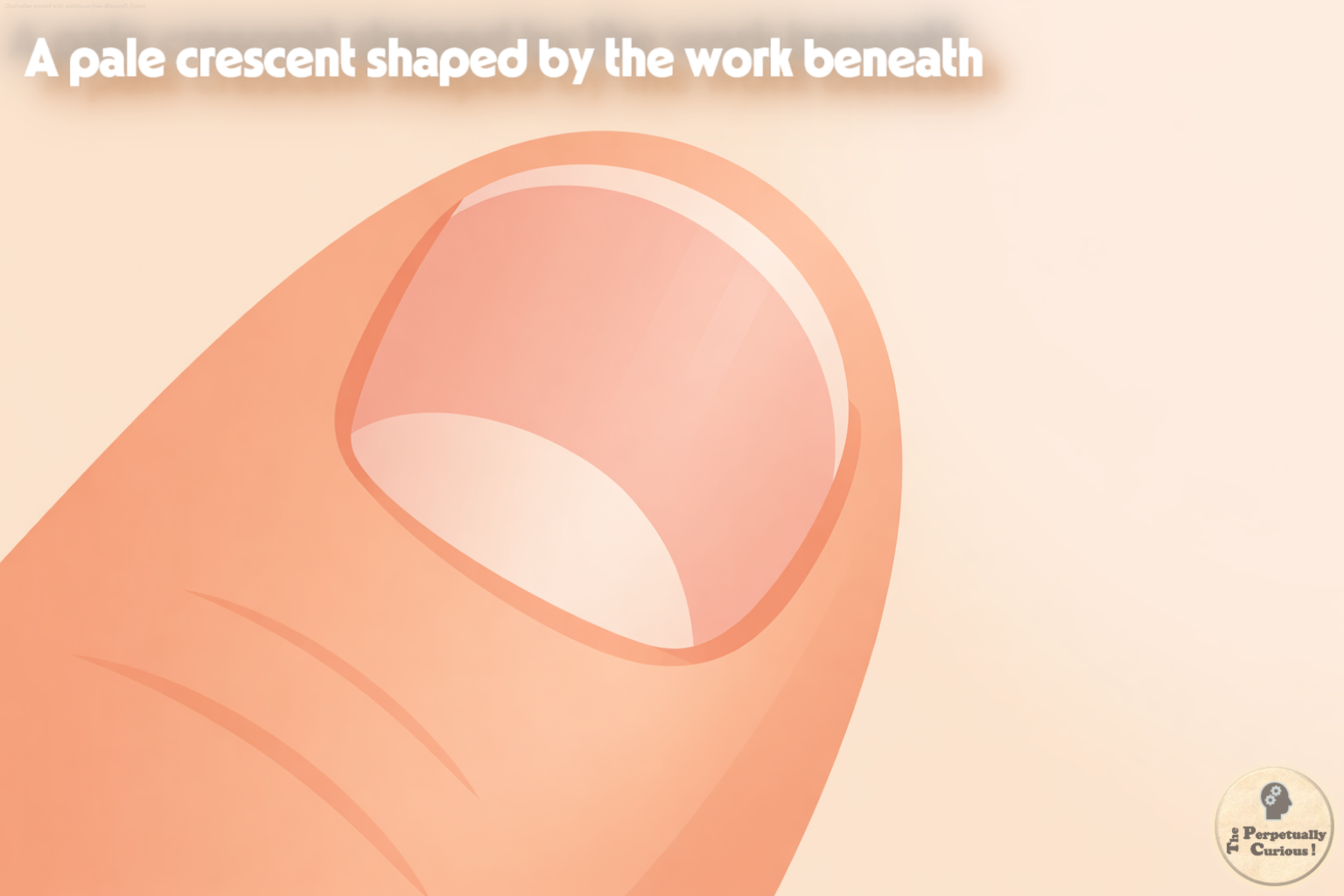
The pale crescent rests at the base of the nail like a small memory of the deeper work beneath the surface. It holds the quiet shape of growth that continues whether we notice it or not. In its soft arc, the body leaves a gentle reminder of the patient rhythms that carry us forward.
- The Perpetually Curious! › Canonical › Biology & HealthArticle
💧 Why We Cry: The Quiet Science of Tears, Sadness, and Grief
There is a moment, just before tears appear, when the world seems to hold its breath. The chest tightens, the throat gathers a quiet ache, and the eyes begin to shimmer as if carrying a small, unspoken truth.
- The Perpetually Curious! › Canonical › Biology & HealthArticle
🧠 The Neural Symphony: How Neurons, Glia, and Networks Shape Human Experience
From section: Myth versus realityOnce the simple equations are set aside, a richer question appears: what does turn neural activity into an emotional experience?
- The Perpetually Curious! › Canonical › Biology & HealthArticle
😮💨 When A Breath Becomes a Yawn: Why We Yawn and What This Quiet Reflex May Reveal
A yawn often arrives softly, as if carried on an internal tide. A slow, deep inhalation gathers the body, the jaw opens wide, the eyes close for a moment, and then a long exhalation follows. It is a gesture so familiar that it often passes without notice, yet it carries a quiet mystery.
- The Perpetually Curious! › Archives › Biology & HealthArticle
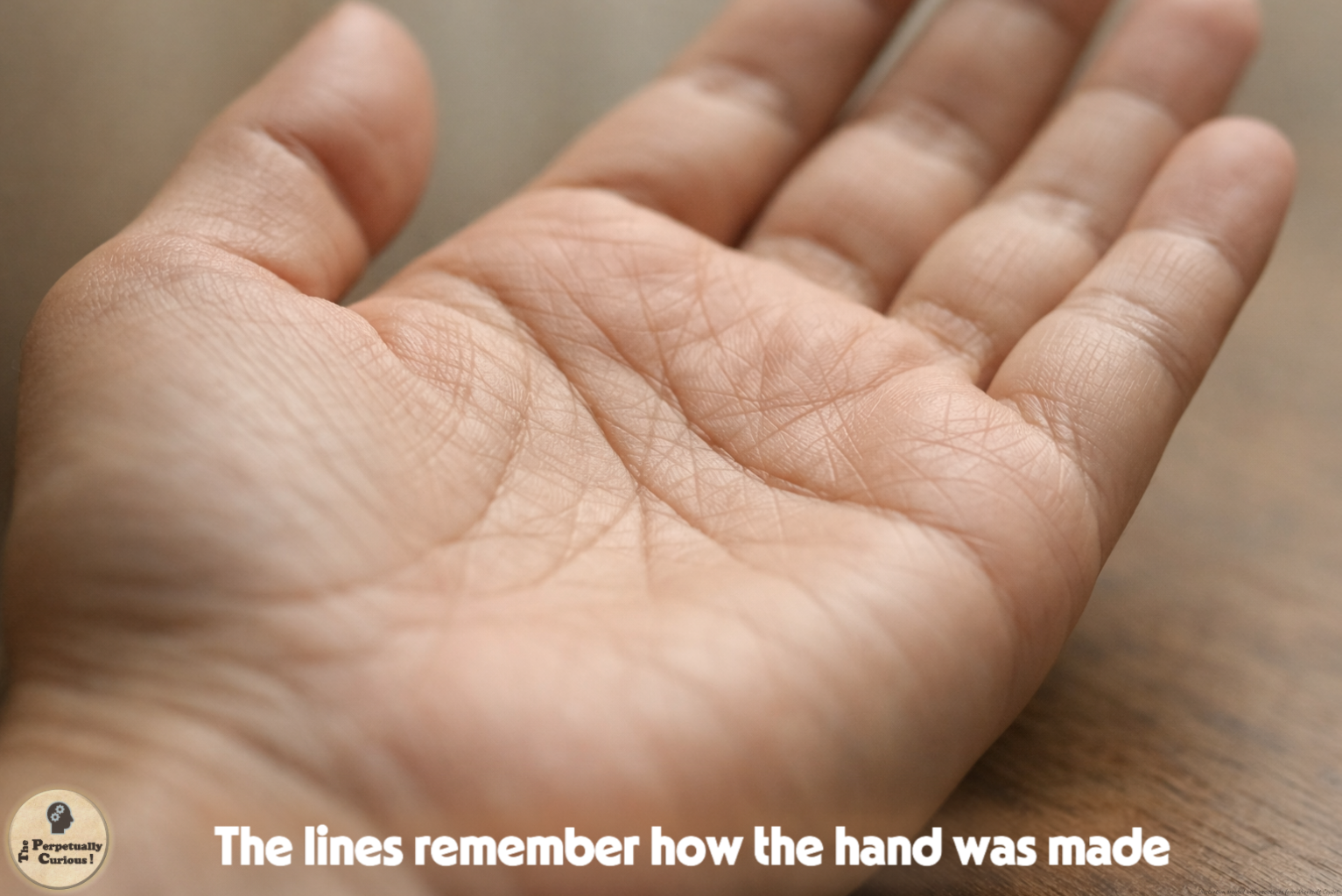
✋ Palm Lines Explained: The Quiet Folds That Help the Hand Move
From section: Where biology and meaning separateRead the complete version ↗ Share this article Pass this article along to someone curious and let the learning travel.
- The Perpetually Curious! › Archives › Biology & HealthArticle
🌙 White Half Moon on Nails: The Quiet Growth Zone Beneath
At the base of some fingernails, a pale crescent appears like a small moon partly tucked under the skin. It may be broad and clear on the thumb, faint on another finger, or almost absent from view.