Explore by topic, question, or idea. Find articles, reflections, videos, puzzles, and curiosity pathways gathered across the site.
Press Enter or select Search. A newly typed query starts globally; filters are applied only through the visible rail.
30 results for “health science”
- The Perpetually Curious! › Archives › Biology & HealthArticle
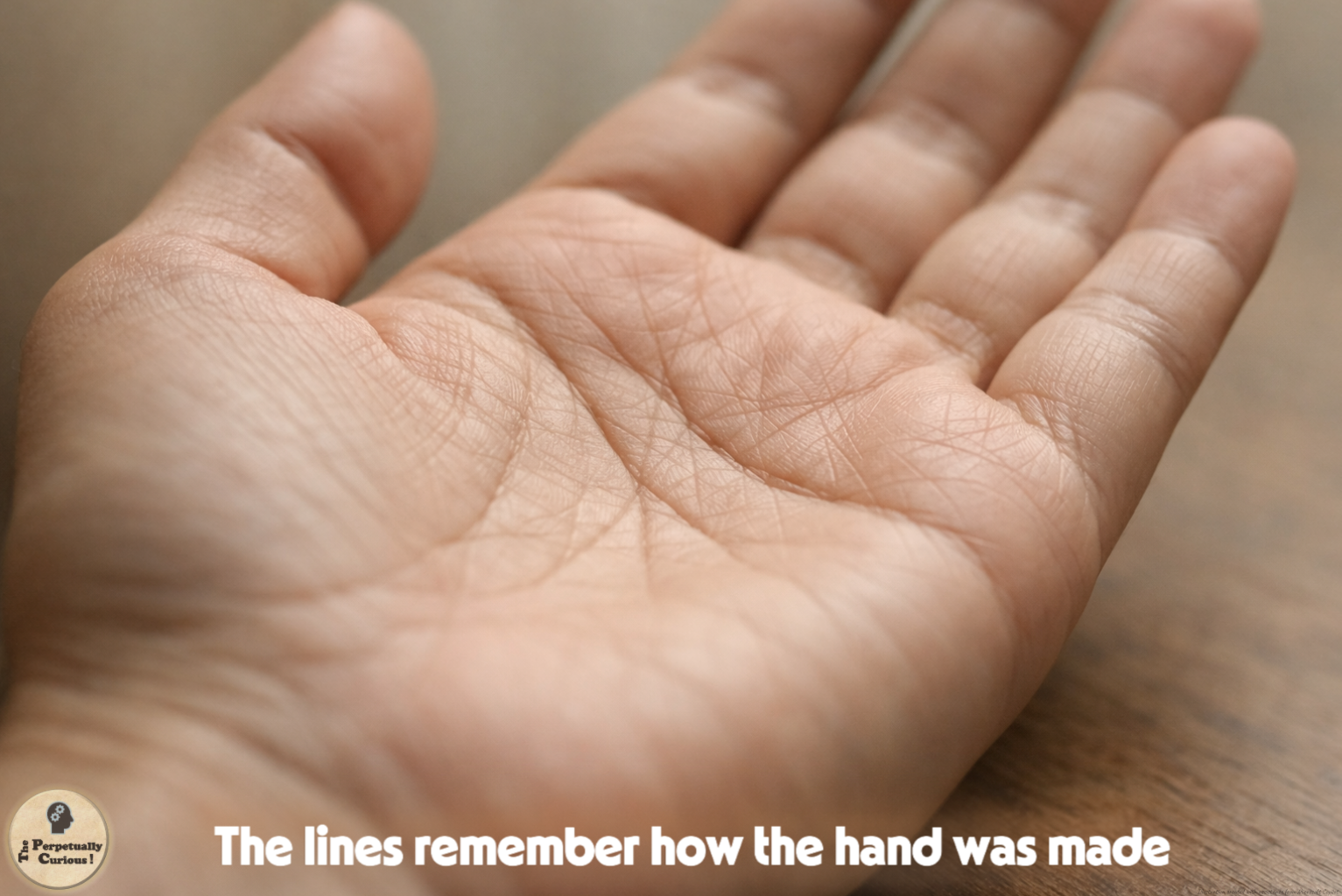
✋ Palm Lines Explained: The Quiet Folds That Help the Hand Move
From section: Where biology and meaning separateFacebook X WhatsApp Threads Mastodon Bluesky Pinterest LinkedIn Email Copy Link 🧬 Continue exploring this theme More connected articles on living systems, human health, cellular processes, and the biological patterns shaping life are gathered on The Perpetually Curious! website.
- The Perpetually Curious! › Canonical › Biology & HealthArticle
🧠 The Neural Symphony: How Neurons, Glia, and Networks Shape Human Experience
From section: 💤 The sleeping brain: maintenance, memory, and dreamsThe strange vividness and emotional intensity of dreaming emerge from a changing balance among sensory imagery, memory, emotion, and executive control, a broader story explored in the science of dreaming.
- The Perpetually Curious! › Canonical › Biology & HealthArticle
🌫️ Why We Get Hiccups: The Reflex Beneath Every Small “Hic”
From section: ⏱️ When hiccups linger: persistence and underlying conditions… In these situations, hiccups are not a diagnosis in themselves. They are one possible sign among many that clinicians may consider when evaluating a person’s overall health.
- The Perpetually Curious! › Canonical › Biology & HealthArticle
☀️ Sunlight, Skin, and the Quiet Alchemy of Vitamin D
From section: 📣 Let the sunlight story travel… It does not provide individualized medical guidance or recommend any specific pattern, duration, or intensity of sun exposure. Ultraviolet exposure and vitamin D needs vary according to personal, environmental, and health-related factors. …
- The Perpetually Curious! › Canonical › Biology & HealthArticle
🧬 When Proteins Forget Their Shape: Protein Misfolding in Neurodegenerative Diseases
From section: 🧬 Continue exploring this themeMore articles on living systems, human health, cellular processes, and the patterns that shape life are gathered under Biology & Health.
- The Perpetually Curious! › Canonical › Biology & HealthArticle
😮💨 When A Breath Becomes a Yawn: Why We Yawn and What This Quiet Reflex May Reveal
From section: 🌍 A gentle invitation to share and spread the wordBy sharing this piece with friends, colleagues, or anyone who enjoys thoughtful science and reflective storytelling, you help us reach a wider audience that may find wonder in the ordinary. …
- The Perpetually Curious! › Canonical › Biology & HealthArticle
🌿 Why We Stretch When We Wake: The Quiet Reflex that Resets the Body
From section: 🌺 A gentle invitation to shareIf this exploration has offered a new way to see the first stretch of the day, we warmly invite you to share it with others who enjoy the quiet science of ordinary human gestures.
- The Perpetually Curious! › Canonical › Biology & HealthArticle
🌫️ When the World Blurs for a Moment: Why We Sneeze
From section: 🌈 The sensory experience of a sneezeThe sensory landscape of sneezing shares conceptual space with stretching, which also involves a buildup of tension followed by release. Tearing during sneezing also points toward autonomic pathways, a theme that overlaps gently with the science of crying.
- The Perpetually Curious! › Archives › Biology & HealthArticle
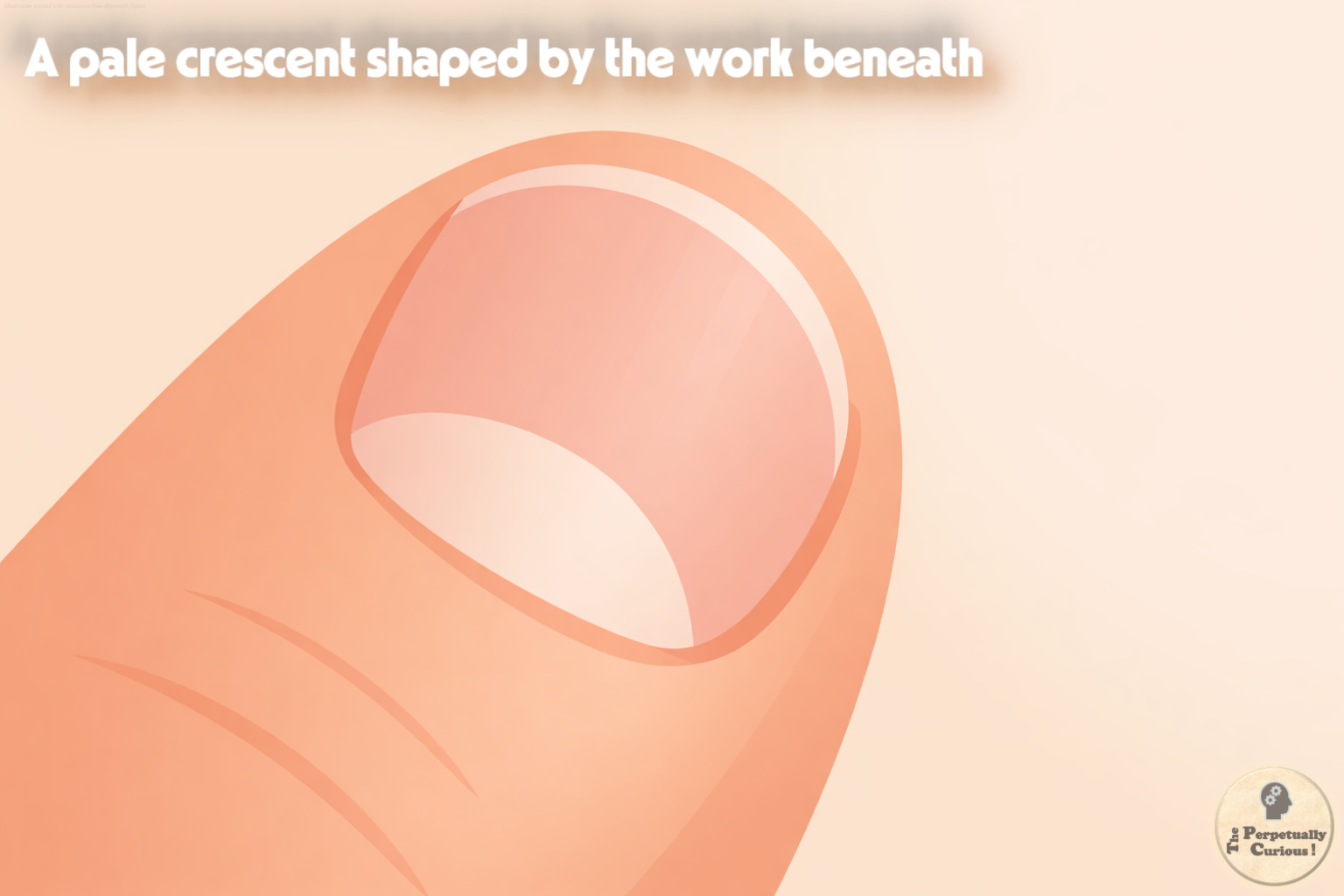
🌙 White Half Moon on Nails: The Quiet Growth Zone Beneath
From section: The crescent begins in the matrixFrom there, the anatomy opens into a wider story on our main site, including toe lunulae, health caution, cultural meanings, and visual diagrams, while the focus here stays with the small crescent itself.
- The Perpetually Curious! › Canonical › Biology & HealthArticle
🟤 Small Islands in the Skin: Why Moles Form and Why Most Stop Growing
A mole can be so familiar that it barely registers: a small mark on a shoulder, a raised spot near the hairline, or a tiny feature that seems to have occupied the same patch of skin for years. Yet beneath that quiet surface is an intriguing biological event.