Explore by topic, question, or idea. Find articles, reflections, videos, puzzles, and curiosity pathways gathered across the site.
Press Enter or select Search. A newly typed query starts globally; filters are applied only through the visible rail.
24 results for “the science behind familiar moments”
- The Perpetually Curious! › Canonical › Biology & HealthArticle
🧠 The Brain’s Guarded Border: How the Blood-Brain Barrier Protects Us and Complicates Treatment
From section: 🧪 Designing a medicine that can cross… An active medicine can be temporarily modified into a form that crosses more readily, then converted back after entry. The familiar example is levodopa. …
- The Perpetually Curious! › Canonical › Biology & HealthArticle
🧠 The Neural Symphony: How Neurons, Glia, and Networks Shape Human Experience
From section: 🎨 From cell types to emotional statesThis is where a familiar public story begins to break down. If emotions are distributed network states, then calling dopamine a "pleasure chemical" or serotonin a "happiness chemical" cannot capture what those molecules actually do.
- The Perpetually Curious! › Canonical › Biology & HealthArticle
☀️ Sunlight, Skin, and the Quiet Alchemy of Vitamin D
From section: ⚖️ Natural limits and self‑regulationVitamin D status therefore depends on more than the amount produced in the skin. Dietary intake, supplementation, metabolism, age, and other biological factors can also contribute. Beyond these internal controls, familiar external barriers such as glass, clothing, and sunscreen alter how much UVB reaches the skin.
- The Perpetually Curious! › Canonical › Biology & HealthArticle
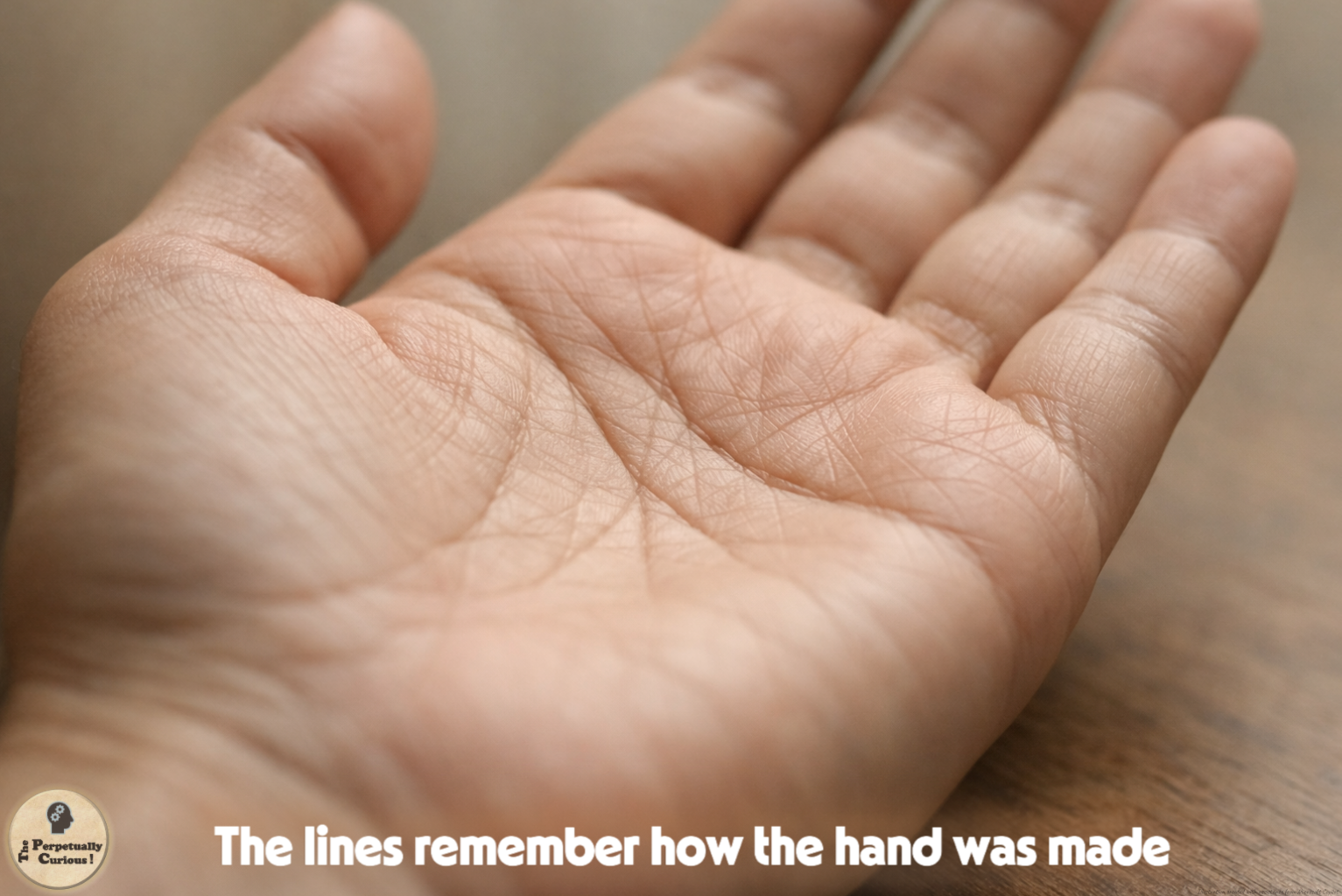
🌫️ The Quiet Maps in Our Hands: Why Palm Lines Form and What They Reveal About Development, Movement, and Meaning
From section: 🌺 A gentle invitation to shareBy sharing this piece, you help more readers discover how something as familiar as the inside of a hand can open into a landscape of science and story. Your support in spreading the message is deeply appreciated and helps this conversation reach a wider circle of thoughtful readers.
- The Perpetually Curious! › Canonical › Biology & HealthArticle
☕ The Molecular Democracy: Why Coffee Affects People Differently
From section: 💬 Let the curiosity travelIf this glimpse beneath the surface of a familiar drink brought a new question into view, share it with a friend or colleague whose coffee experience differs from yours. A conversation over two cups can become an invitation to notice the science within everyday life.
- The Perpetually Curious! › Canonical › Biology & HealthArticle
🧠 Where Awareness Takes Shape: Synapses, Brain Networks, and Consciousness
A familiar voice calls your name. You turn, recognize the person, and feel the quiet certainty that the moment is happening to you. The brain is busy with sound, memory, attention, and emotion, yet none of those processes alone seems to contain the whole experience. Where, then…
- The Perpetually Curious! › Canonical › Biology & HealthArticle
🦟 Beyond the Bite: How Dengue Fever Affects the Body
From section: 🌡️ Fever makes an invisible process feltWhen symptoms develop, they usually begin about four to ten days after an infectious bite. Fever may arrive abruptly, accompanied by headache, pain behind the eyes, muscle and joint aches, nausea, or a rash. The pattern varies, and these symptoms can overlap with those of other infections.
- The Perpetually Curious! › Canonical › Biology & HealthArticle
🟤 Small Islands in the Skin: Why Moles Form and Why Most Stop Growing
A mole can be so familiar that it barely registers: a small mark on a shoulder, a raised spot near the hairline, or a tiny feature that seems to have occupied the same patch of skin for years. Yet beneath that quiet surface is an intriguing biological event.
- The Perpetually Curious! › Canonical › Biology & HealthArticle
🦠 Listening to the Hidden City Within: Understanding the Gut Microbiome
From section: 🔬 How scientists study the microbiome: tools for an invisible worldThese methodological limits matter beyond the laboratory. As microbiome findings move into public discussion and commercial interpretation, understanding what each method can and cannot show becomes essential to communicating the science responsibly.
- The Perpetually Curious! › Archives › Biology & HealthArticle
✋ Palm Lines Explained: The Quiet Folds That Help the Hand Move
The lines in the palm are easy to overlook because they feel so ordinary. They cross the hand quietly, deepening when the fingers curl and softening when the palm opens. Yet those familiar folds are not random marks added by years of use. They begin much earlier, when the hand…